2026 Best Self Washing Toilet Features and Benefits Explained?
Self Washing Toilets are becoming a popular choice for modern bathrooms. These innovative fixtures provide a level of cleanliness that traditional toilets cannot match. With technology advancing rapidly, the features of self-washing toilets are more impressive than ever. Users can enjoy a hygienic environment with minimal effort.
Maintenance can be a concern for homeowners. Even the best self-washing toilets require some attention. The technology may occasionally malfunction, leading to unexpected cleaning issues. Understanding both the strengths and weaknesses of self-washing toilets is crucial for potential buyers.
The benefits are clear. These toilets come equipped with self-cleaning mechanisms that can reduce bacteria and odors. However, users must also assess their personal needs and preferences. A self-washing toilet may not suit everyone’s lifestyle or bathroom design. It’s important to make an informed decision.
Features of Self-Washing Toilets: An Overview of Innovative Design
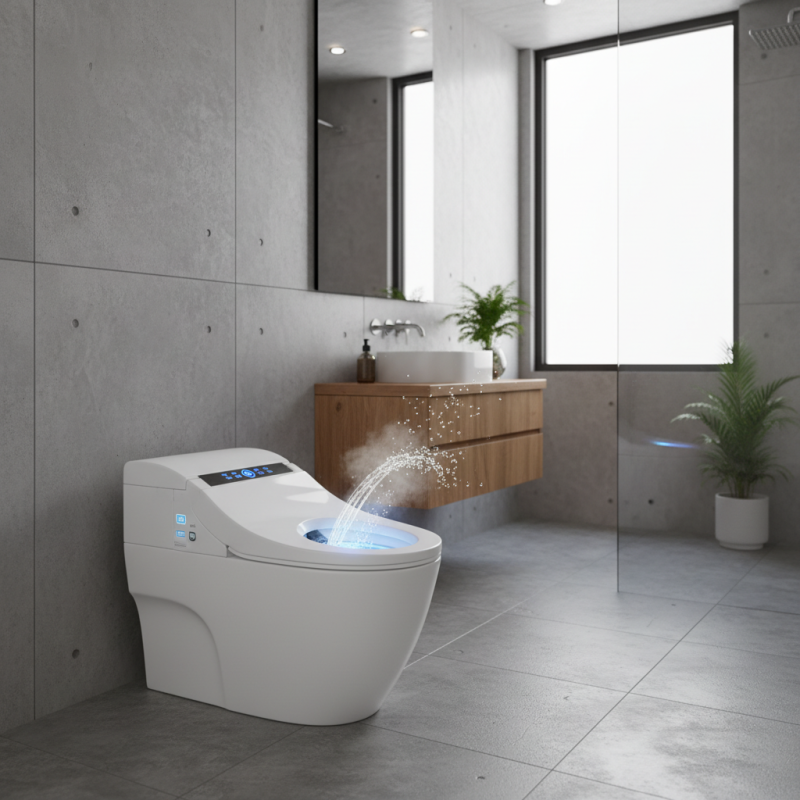
Self-washing toilets are a modern solution for hygiene and convenience. They incorporate advanced features that enhance the user's experience. One key aspect is the built-in cleaning system. This system uses a combination of water and cleaning agents, ensuring every corner is spotless. It saves time and effort, making it appealing to many homeowners.
Another innovative feature is the smart design. Some self-washing toilets have sensors that detect usage patterns. This technology allows the toilet to clean itself at optimal times, which can be remarkably efficient. Additionally, they often come with adjustable settings for temperature and pressure, catering to personal preferences. However, the complexity of features may overwhelm some users.
While self-washing toilets provide significant benefits, there are considerations. Maintenance may be more complicated than traditional toilets. Potential malfunctions could lead to repair costs. Users should reflect on these aspects before investing. Ultimately, the growing interest in self-washing toilets signifies a trend towards smarter home solutions.
Health Benefits of Self-Washing Toilets for Personal Hygiene
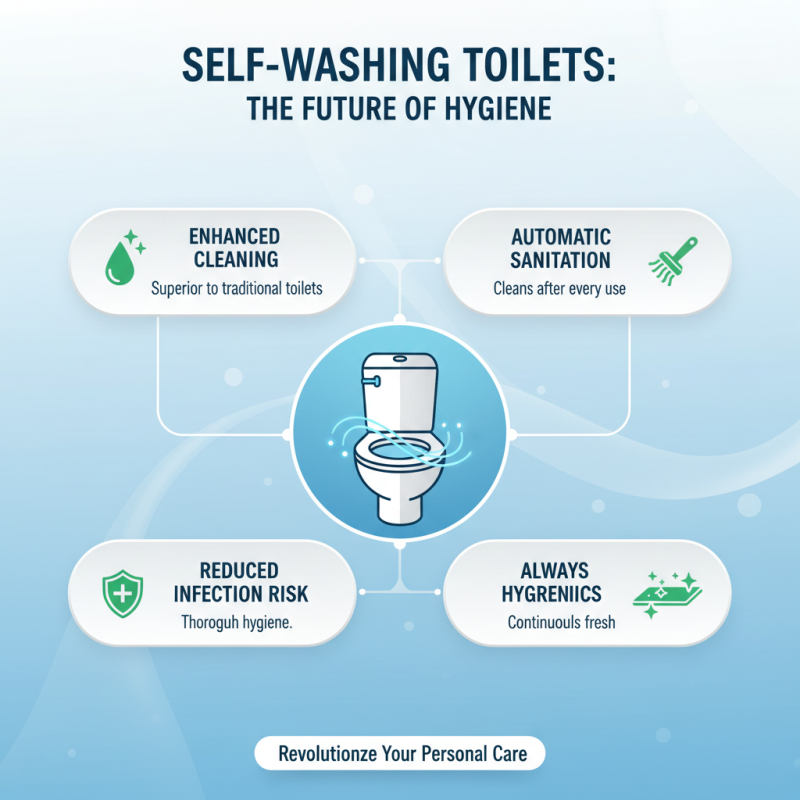
Self-washing toilets are revolutionizing personal hygiene. They offer an enhanced cleaning experience that traditional toilets cannot match. These modern fixtures provide thorough sanitation, reducing the risk of infections. They clean automatically after each use, ensuring that surfaces remain hygienic.
For many, the health benefits are significant. The self-washing feature minimizes direct contact with potentially harmful bacteria. This is crucial, especially for children and elderly individuals. Moreover, these toilets often use water jets, which provide a gentle yet effective clean. Some options even allow users to adjust water pressure and temperature for comfort.
However, there are complexities to consider. Not all self-washing toilets are created equal. Some may require frequent maintenance. Others might have parts that become clogged over time. Users might also need to adjust to the technology, which can be daunting at first. Embracing these toilets can be a learning curve, but the health benefits are worth exploring.
Environmental Considerations: Water Usage in Self-Washing Toilets
Self-washing toilets are gaining traction for their innovative features. One key aspect is water usage. These toilets often use less water than traditional models. They can help conserve this precious resource, especially in areas facing drought.
However, sustainability is complex. Some self-washing models use more water during cleaning cycles. Their technology requires examination. The automatic cleaning functions might waste water if not designed effectively. It's crucial to research the water efficiency of specific models.
Additionally, user habits play a role. If residents use the manual functions excessively, water conservation efforts may falter. Balancing convenience with environmental responsibility can be tricky. It's important to reflect on how personal choices impact water usage in daily life.
Water Usage in Self-Washing Toilets: A Comparative Analysis
User Experience: Convenience and Technology in Self-Washing Toilets
Self-washing toilets are revolutionizing bathroom hygiene. Users appreciate the convenience these toilets provide. A recent industry report indicated that over 40% of homeowners value touchless features. Such technology enhances user experience while minimizing manual cleaning efforts.
These toilets often include built-in cleaning mechanisms. These mechanisms utilize advanced sanitizing agents. Research shows that self-cleaning toilets can reduce bacteria by up to 99%. This degree of cleanliness is appealing for families, especially with young children. However, some users report the cleaning cycles can be loud.
Maintenance can be a challenge. If a component fails, repairs are often necessary. Some homeowners find the technology intimidating. Using a self-washing toilet can feel overwhelming initially. Yet, once familiar, users often see the benefits outweighing these concerns. These toilets represent a fusion of convenience and modern technology, but not without their imperfections.
Comparative Analysis: Self-Washing Toilets vs. Traditional Toilets
When looking at self-washing toilets, a compelling comparison with traditional toilets emerges. Self-washing toilets utilize advanced technology to maintain cleanliness. A recent industry report indicates that these models reduce manual cleaning time by up to 90%. This is a significant shift for busy households.
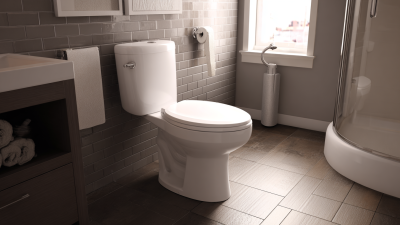
Traditional toilets rely heavily on manual scrubbing and harsh chemicals. Over time, this can lead to wear and tear, increasing repair costs. In contrast, self-washing toilets have built-in systems that deploy water and cleaning solutions automatically. Users reported a more hygienic experience, which is crucial in preventing the spread of bacteria. Additionally, studies show that self-washing toilets consume about 30% less water than their traditional counterparts.
However, it's worth noting that self-washing toilets can be more expensive upfront. Maintenance costs may also vary based on water quality and system efficiency. Some users express concern over complex features that may not always function correctly. Understanding these potential drawbacks is essential for consumers considering this technology.