2026 Top Trends in Flush Automatic Toilet Technology and Design
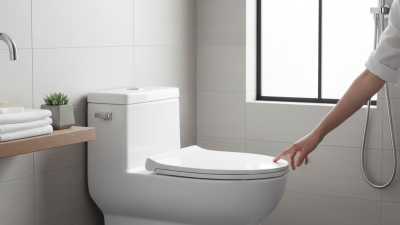
The flush automatic toilet technology is evolving rapidly. Recent studies predict the global market for smart toilets will reach $1.5 billion by 2026. This growth reflects an increasing demand for innovation and convenience in bathroom design. The flush automatic toilet offers features such as hands-free operation and self-cleaning functions, enhancing hygiene and user comfort.
Research shows that consumers prioritize sustainability and efficiency. The integration of water-saving technologies in flush automatic toilets can reduce water usage by up to 30%. This aligns with growing global efforts to conserve resources and manage water scarcity. Despite these advancements, some challenges remain. Not all consumers are familiar with the benefits, which can hinder widespread adoption.
Moreover, varying cultural preferences impact design choices. The flush automatic toilet must balance high-tech features with user-friendly interfaces. As manufacturers strive to meet these diverse needs, continuous innovation is essential. The future of flush automatic toilet technology will not only focus on functionality but also address social and environmental considerations.
Overview of Flush Automatic Toilet Technology Evolution
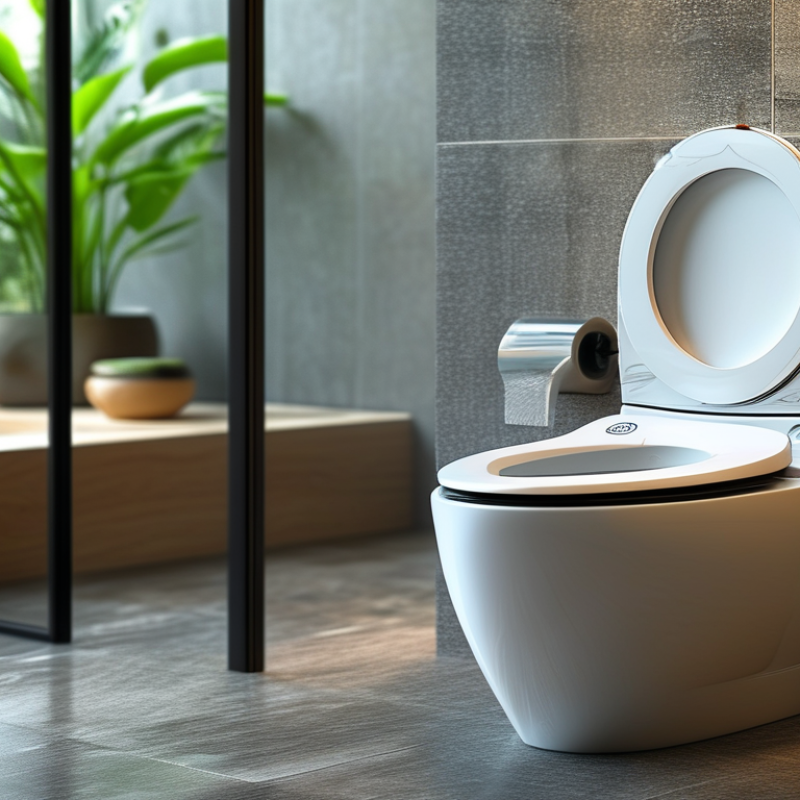
The evolution of flush automatic toilet technology reflects significant advancements over the decades. Initially, these toilets focused on basic flushing mechanisms. Nowadays, sophisticated sensors and water-saving features dominate the market. According to a report from the International Water Association, new flush designs can reduce water consumption by up to 50%. This is vital as water scarcity becomes an increasing concern.
Automatic toilets now incorporate smart technology. Features like self-cleaning mechanisms and customizable user settings enhance hygiene and comfort. Data from ResearchAndMarkets indicates that the global smart toilet market is projected to reach $5 billion by 2026. Users appreciate the convenience of hands-free operation, supporting a push toward more hygienic solutions. However, the complexity of these systems might lead to challenges in maintenance and repair.
**Tip:** Regularly check sensor calibration to ensure optimal functioning. Handling minor issues early can prevent larger malfunctions. Over-reliance on technology may sometimes lead to neglecting basic maintenance routines. Users should balance innovation with practicality to achieve a seamless experience.
Key Features of Modern Flush Automatic Toilets
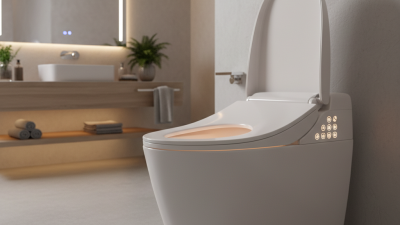
The modern flush automatic toilet embodies advanced technology and innovative design. These toilets leverage sensor-driven operation for hands-free use. A recent study by the International Association of Plumbing and Mechanical Officials (IAPMO) highlights that 80% of consumers prefer touchless systems for hygiene and convenience. This trend indicates a clear shift toward smarter bathrooms, where user experience takes precedence.
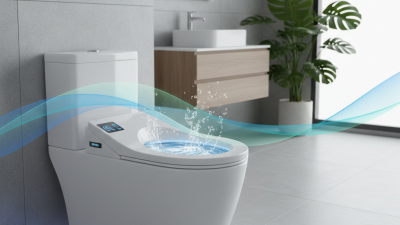
Energy efficiency is another key feature. Many automatic toilets now utilize dual-flush mechanisms, allowing users to select the amount of water used. This can lead to a reduction in water usage by up to 30%, according to the Water Research Foundation. Moreover, these toilets often integrate advanced cleansing options, enhancing comfort while promoting cleanliness. However, installation and maintenance can be complex. Not all users find the technology user-friendly.
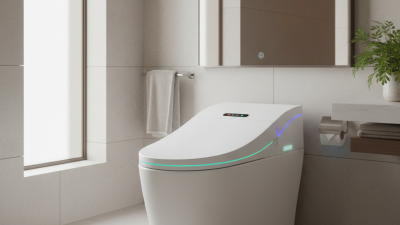
Design is equally crucial. Many models incorporate sleek aesthetics to fit modern interiors. A report from the National Kitchen and Bath Association (NKBA) revealed that 65% of homeowners prioritize design alongside functionality. Yet, some still feel overwhelmed by numerous options. It reflects a need for clearer guidance in choosing the right model. As the market evolves, balancing cutting-edge features with user simplicity remains a challenge.
2026 Top Trends in Flush Automatic Toilet Technology and Design
| Feature |
Description |
Benefits |
Expected Adoption Rate in 2026 |
| Sensor Technology |
Automatic flushing when the user approaches or leaves |
Enhanced hygiene, water conservation |
80% |
| Water Efficiency |
Low-flow flush systems that use less water |
Environmental benefits, cost savings |
75% |
| Self-Cleaning |
Built-in cleaning systems using UV light or chemicals |
Reduced maintenance, improved hygiene |
70% |
| Bidet Functionality |
Integrated bidet features for enhanced cleanliness |
Better user comfort, lower toilet paper usage |
65% |
| Smart Connectivity |
Compatibility with home automation systems |
Remote control, usage tracking |
60% |
Innovative Designs Enhancing User Experience
The world of flush automatic toilets is evolving significantly. Innovative designs aim to enhance user experience through practical features. One such advancement is the use of motion sensors, allowing for touchless operation. Users appreciate this hygienic approach, which reduces the spread of germs.
Comfort is also a priority. Many toilets now include adjustable seat heights. This feature caters to individuals with mobility issues. Additionally, heated seats provide a warm welcome during cold months. Users note that this small detail can make a big difference in comfort.
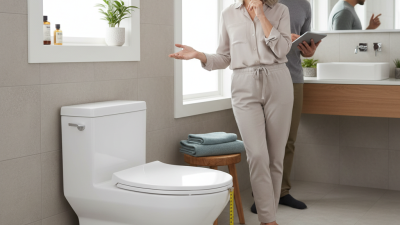
However, design can still improve. Some models have complex controls that confuse users. Simplifying operations could lead to a more intuitive experience. Ultimately, providing an effortless design should be a priority in future innovations.
Environmental Impact and Water Efficiency Advances
As the demand for sustainable solutions rises, flush automatic toilets are evolving significantly. According to the Water Research Foundation, approximately 30% of residential water use derives from toilets. Enhanced water efficiency is thus crucial. Recent innovations have reduced flush volumes to as low as 1.28 gallons per flush. Such advancements offer significant potential for conserving water without sacrificing performance.
Additionally, the integration of smart technology improves the environmental impact of these toilets. Systems that detect usage patterns optimize water flow, further minimizing waste. The International Association of Plumbing and Mechanical Officials highlights that smart toilets could reduce overall water consumption by up to 20%. Despite these benefits, adoption remains uneven. Many consumers hesitate due to perceived complexities and installation costs.
Environmental consciousness is vital in today’s design landscape. Industry analysts suggest that designs that prioritize recyclability and sustainability will lead future market trends. However, the challenge lies in balancing innovation with user familiarity. As trends evolve, the need for education on these advances remains critical for wider acceptance and implementation.
Future Predictions: Trends Shaping the Next Decade
The flush automatic toilet technology is evolving rapidly as we look towards 2026. Predictions suggest that smart features will dominate. According to a recent market analysis, the smart toilet market is projected to grow at a CAGR of 12.5% between 2021 and 2026. These advancements mean that we can expect toilets integrated with sensors, hands-free operation, and app connectivity.
Data shows that eco-friendly designs will also gain traction. With global water scarcity concerns, flush efficiency will be critical. Toilets are now being designed to use less than 1.2 gallons per flush. However, manufacturers must balance innovation with usability. Some designs have received criticism for complexity. Users often prioritize simplicity over high-tech features. Investing in research to enhance both usability and technology can mitigate these issues.
The integration of health-monitoring features will become more prevalent. Toilets may soon analyze waste for health indicators, providing valuable insights. While this could revolutionize personal health management, privacy concerns need addressing. Users may hesitate to trust such technologies without robust data protection methods. As we approach 2026, thoughtful design will be crucial to meet evolving expectations.