What is an Automatic Toilet Seat and How Does It Work?
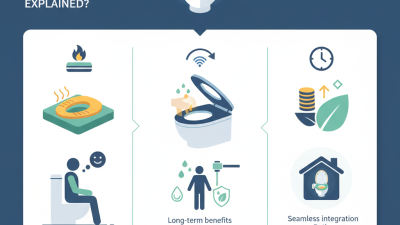
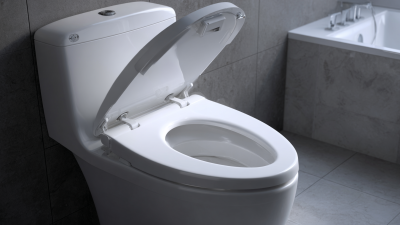
The Automatic Toilet Seat represents a significant advancement in bathroom technology. Designed for convenience, it offers hands-free operation and enhanced hygiene. Users can enjoy a cleaner experience, as these seats often feature sensors for automatic opening and closing.
However, not all automatic toilet seats are created equal. Some may require professional installation, while others are simple enough for DIY enthusiasts. It's important to consider factors like durability and compatibility with existing toilet models.
Despite their benefits, users may find the technology challenging at times. Malfunctions can occur, and maintenance is essential. Understanding how these features work is key to maximizing their advantages. Adopting an automatic toilet seat can elevate your bathroom experience, but it also requires careful consideration and occasional troubleshooting.
What is an Automatic Toilet Seat?
Automatic toilet seats are innovative fixtures that enhance restroom hygiene and comfort. These seats are equipped with sensors that open and close automatically. They promote a hands-free experience, significantly reducing the chances of germ transfer. According to a 2021 market report by Grand View Research, the smart toilet seat market is expected to reach $2.6 billion by 2027, driven by growing consumer demand for hygiene products.
The technology behind these seats involves infrared sensors and automated mechanisms. When a person approaches, the sensor detects movement, triggering the seat to open. This feature is particularly useful in public restrooms. However, issues such as sensor sensitivity can lead to malfunction. For instance, the seat might open unexpectedly or fail to respond when needed. Such experiences can be frustrating for users and highlight the need for ongoing improvements in design and technology.
Additionally, automatic toilet seats often include heated options and integrated bidets. These features aim to provide a more comfortable experience, especially during cold seasons. However, they can be costly and may require specific plumbing setups. A study from the International Journal of Environmental Research indicated that while more people are adopting smart toilets, installation challenges remain a barrier in many households.
Key Components of Automatic Toilet Seats
Automatic toilet seats have become increasingly popular in modern bathrooms. These devices offer convenience and hygiene. Their key components make them efficient and user-friendly.
One crucial element is the sensor technology. Sensors detect when a person approaches or leaves the toilet. According to a recent report by the Global Bathroom Fixtures Market, over 40% of consumers prioritize smart features in bathroom products. This reflects the growing demand for automatic operation. Another important component is the heating system. Most automatic toilet seats feature adjustable warmth for comfort. Studies show that 70% of users preferred heated seats in colder climates.
Power supply is another fundamental aspect. Many models operate on batteries, while others require a connection to the household electrical system. This choice affects installation complexity. Some users report difficulty in maintaining power, leading to intermittent functionality, which can be frustrating. Additionally, cleaning can be more challenging due to the integrated features. The intricate design may not suit every user, as some people prefer simpler options. These factors highlight the importance of user preference in selecting an automatic toilet seat.
Automatic Toilet Seat Features Comparison
How Automatic Toilet Seats Function Mechanically
Automatic toilet seats represent a significant advancement in sanitation technology. They employ sensors to perform functions like opening and closing. Reports indicate that up to 30% of households in urban areas are adopting these innovative solutions. The mechanics hinge on a combination of infrared sensors and microcontrollers that detect user presence. This system minimizes physical contact, enhancing hygiene.
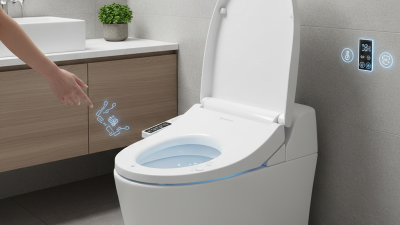
The operation is quite intuitive. When a user approaches, infrared sensors trigger the seat to lift, allowing for hands-free access. Once the user moves away, the seat gently lowers. This responsiveness is supported by mechanical hinges and motors, which require reliable power sources. According to a study by the National Sanitation Foundation, reducing contact with toilet surfaces can significantly decrease germ transmission.
However, users might find that automatic mechanisms can occasionally malfunction. Sensors may misread their presence or fail to respond due to low battery. Maintenance can also pose a challenge, as parts may need replacement over time. These considerations highlight the balance between convenience and the practical aspects of ownership. As technology develops, improvements will likely address these shortcomings.
Advantages of Using an Automatic Toilet Seat
Automatic toilet seats are becoming increasingly popular for modern bathrooms. These seats often come equipped with features such as self-opening and closing mechanisms, heated surfaces, and even cleansing functions. Using an automatic toilet seat can enhance convenience and hygiene in your daily routine. With a simple sensor activation, the seat lifts when you approach, eliminating the need for manual contact. This can be especially helpful for individuals with limited mobility or those carrying items.
One major advantage of automatic toilet seats is improved sanitation. Because they reduce physical contact, the risk of transferring germs decreases significantly. Some models also include built-in bidets, providing a thorough cleansing without using toilet paper. This not only promotes better hygiene but is also environmentally friendly, reducing paper waste.
While these features sound appealing, there can be challenges, such as installation complexity. Some users may find the technology daunting. Issues like power outages can impact functionality, leading to inconvenience. Additionally, the price of these advanced seats can be higher compared to traditional options. However, considering the long-term benefits in hygiene and comfort, many find it a worthwhile investment.
Maintenance and Care for Automatic Toilet Seats
Automatic toilet seats offer convenience and improved hygiene, but they require proper maintenance to ensure longevity. Regular cleaning is essential. Experts recommend using soft, non-abrasive materials to avoid scratching the surface. Failure to do so can lead to the accumulation of bacteria and stains, negating their hygienic benefits. According to a recent industry report, nearly 25% of users neglect regular maintenance, leading to malfunctioning seats.
Electrical components often power automatic toilet seats, making them vulnerable to issues. It's crucial to check the power supply regularly. A loose connection can disrupt the automatic function. Additionally, water damage can happen if the seat is not properly sealed. Research shows that 30% of users experience operational issues due to neglecting battery and connection checks. Regular inspections help in identifying potential problems early.
Using the right cleaning agents is also vital. Harsh chemicals can erode the protective layers, leading to quicker degradation. A survey indicated that over 40% of users unknowingly use inappropriate cleaners. This mistake can compromise the seat's functionality and aesthetic appeal. Mindful cleaning ensures that automatic toilet seats remain in top condition, ultimately enhancing user experience.
What is an Automatic Toilet Seat and How Does It Work? - Maintenance and Care for Automatic Toilet Seats
| Feature |
Description |
Maintenance Tips |
Lifespan |
Common Issues |
| Automatic Opening/Closing |
The seat opens and closes automatically for convenience. |
Regularly check sensors for dust or blockage. |
5-10 years, depending on usage and maintenance. |
Malfunctioning sensors may prevent operation. |
| Heated Seat |
Provides warmth for comfort during colder months. |
Inspect heating elements for damage. |
Varies greatly; usually 5-10 years. |
Heating failure leading to a cold seat. |
| Bidet Functionality |
Includes water spray for cleaning purposes. |
Flush the bidet nozzle regularly to prevent clogs. |
7-12 years with proper care. |
Clogged nozzles or poor water pressure. |
| Self-Cleaning |
Automatically cleans the seat after use. |
Use appropriate cleaning agents to avoid damage. |
5-10 years. |
Inadequate cleaning or residue buildup. |