Best Electric Toilet Smart Tips for Choosing the Right Model?
The rise of the "Electric Toilet Smart" market reflects changing consumer preferences and technology advancements. According to a recent report by Market Research Future, the electric toilet market is expected to grow by 24% by 2028. This indicates a significant shift in comfort and hygiene standards in modern bathrooms. As consumers increasingly seek convenience, electric toilets have become essential fixtures.
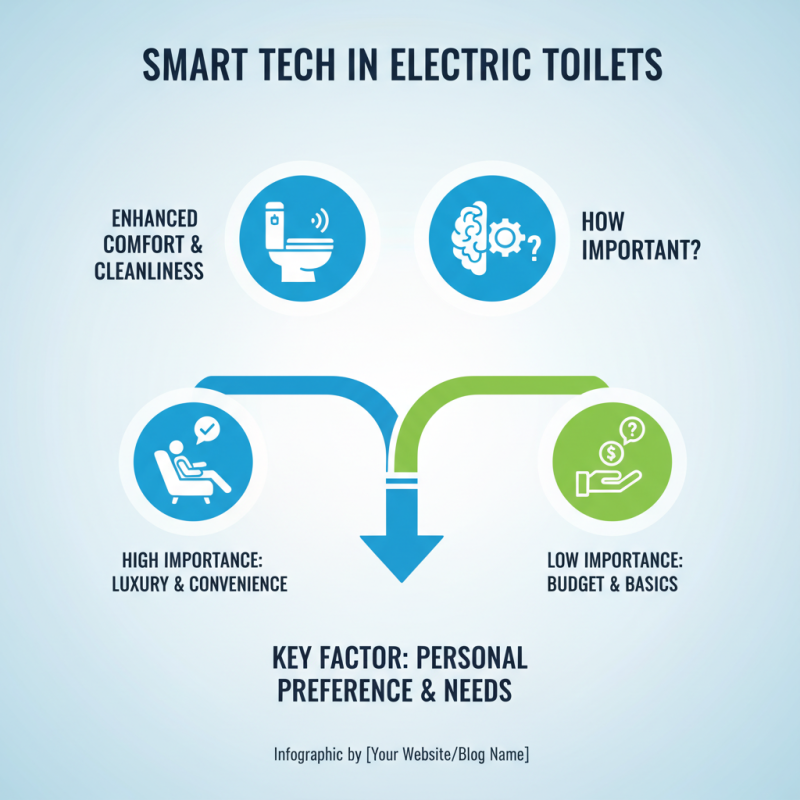
Choosing the right model requires careful consideration. Features such as heated seats, self-cleaning options, and bidet functionalities can enhance the user experience. However, not every model suits everyone's needs. Budget constraints and installation requirements often pose challenges. A poorly selected model may lead to dissatisfaction and unnecessary expenses.
Understanding product specifications is key. Brands vary greatly, and inadequate research can result in buyer's remorse. To avoid pitfalls, consumers should prioritize reputable brands and read reviews. Balancing technology with personal needs is essential for making an informed decision in this evolving market.
Key Features to Consider When Choosing an Electric Toilet Model
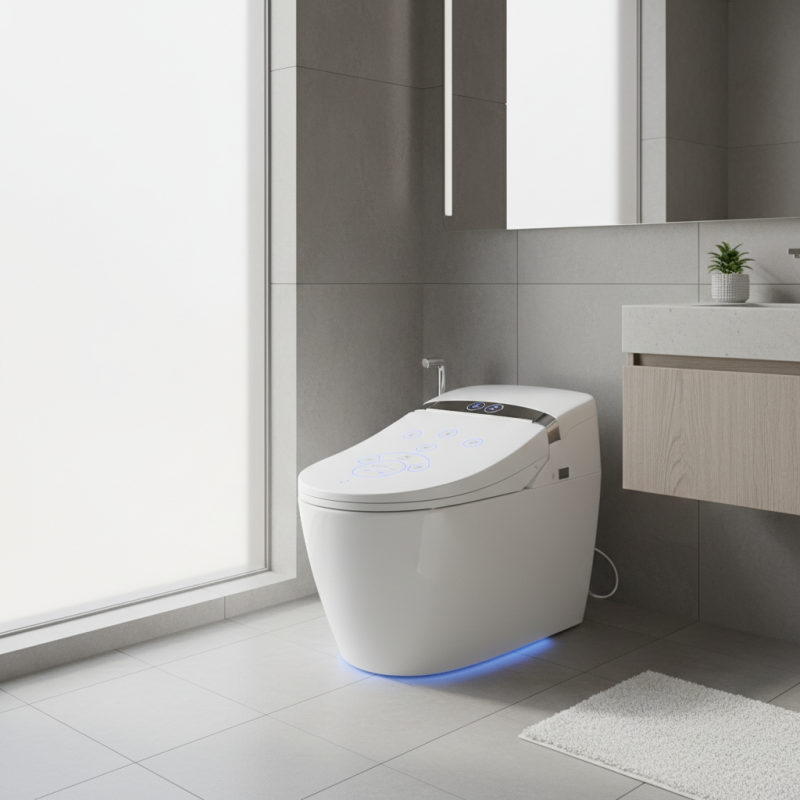
Choosing the right electric toilet model involves considering several key features. One important aspect is the flushing technology. Top models often use dual-flush systems, allowing users to select between a partial and full flush. This can save water and reduce utility bills significantly. According to a recent industry report, households can save up to 30% on water usage with efficient toilets.
Another critical feature is comfort. Height is a major consideration, especially for elderly users or those with disabilities. Standard toilets are typically around 15 inches high. However, comfort-height models can reach 17-19 inches. The right height enhances accessibility and user satisfaction. Keep in mind that standard sizes may not fit all. It’s essential to measure before making a purchase.
Maintenance is another aspect that shouldn’t be overlooked. Some electric toilets come with self-cleaning options, which can reduce the time spent on upkeep. Yet, even models with these features might require occasional cleaning to maintain efficiency. A study revealed that toilets with advanced cleaning features still need attention from 15% of users. Reflect on your requirements. Will you value convenience over a potential increase in long-term costs? Choose wisely.
Top Key Features to Consider When Choosing an Electric Toilet Model
Understanding Different Types of Electric Toilets Available on the Market
Electric toilets are transforming modern bathrooms with innovative technology. They come in various types, each offering unique features to meet consumers' needs. One popular option is the bidet toilet combo. According to a report by the National Kitchen and Bath Association, around 40% of homeowners express interest in installing bidet features. These toilets provide cleansing options, heated seats, and even air driers.
Another type is the smart toilet. Smart toilets often include sensors and automatic flushing capabilities. The Global Smart Toilet Market report shows a projected growth from $5 billion in 2020 to over $10 billion by 2026. This signifies the rising consumer demand for technology in daily hygiene practices. However, these models can be complex and may require additional maintenance.
While selecting the right electric toilet, consider water efficiency. Many models boast efficient flushing systems, using as little as 1.28 gallons per flush. Balancing features like smart technology with water consumption is essential for a sustainable choice. Some users report challenges with the learning curve of high-tech functionalities. A consideration of ease of use is equally important in ensuring satisfaction.
Factors to Assess for Optimal Installation and Maintenance of Electric Toilets
When considering an electric toilet, proper installation and maintenance are crucial. Start by assessing your bathroom's plumbing. Ensure proper drainage and adequate electrical wiring. An electrical outlet nearby is necessary for optimal operation. Without these, installation may not be straightforward. It’s vital to avoid any risks by consulting a professional if you’re unsure about your setup.
Regular maintenance is equally important. Clean the toilet regularly to prevent buildup in the electronic components. Check for any leaks or unusual sounds. These could indicate deeper issues. Sometimes, it’s easy to overlook minor problems until they escalate. A routine inspection can save you from larger repairs. Addressing small concerns promptly is a wise approach.
User reviews and forums can provide valuable insights. Real-life experiences often highlight overlooked aspects. However, remember that each installation can vary significantly. What works for one bathroom may not suit another. Be prepared for trials during the process. Consider that adapting your home to advanced technology can present challenges, but the benefits often outweigh the drawbacks.
Price Range Analysis: Budgeting for Your Electric Toilet Purchase
When considering an electric toilet, it's essential to analyze the price range. Electric toilets vary significantly in cost. Basic models might start around a few hundred dollars. However, advanced features can push prices to well over a thousand dollars. Knowing your budget can help narrow down the options.
It's not just about the price; you need to think about features too. Heated seats, bidet functionalities, and energy-efficient designs typically come at a higher cost. These features can enhance comfort and hygiene but may not be necessary for everyone.
Assess how much you're willing to spend versus what you actually need.
Do you really need a high-end model? Sometimes, lower-priced options provide adequate functionality for everyday use. Consider the longevity of the product as well. A cheaper toilet may end up costing more in repairs and replacements. Balancing price with reliability and function is crucial for making the best choice.