What is the Best One Piece Toilet Seat for Global Buyers?
When considering home improvement, the choice of fixtures matters greatly, especially the One Piece Toilet Seat. This essential bathroom component combines style with functionality. With various designs available, selecting the best one can be tricky for global buyers. Understanding the nuances of this toilet seat type is crucial.
One Piece Toilet Seats are not just about aesthetics; they offer durability and ease of cleaning. Many homeowners prefer smooth designs that prevent dirt accumulation. However, the best choice may vary depending on regional preferences and bathroom sizes. Some models may seem appealing at first glance but might lack comfort or durability.
Buyers should be wary of options that seem too cheap. They often compromise quality. Researching product reviews and specifications can help identify trustworthy brands. Ultimately, investing in a quality One Piece Toilet Seat is vital for both comfort and long-term satisfaction. Take your time, and remember, a poor choice can lead to dissatisfaction.
Understanding One Piece Toilets: Benefits and Features
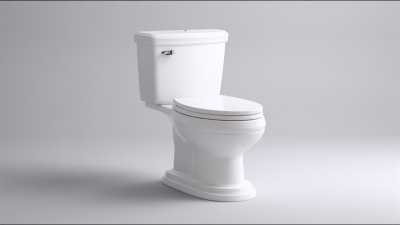
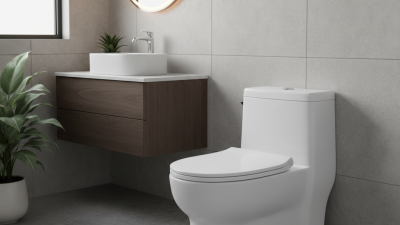
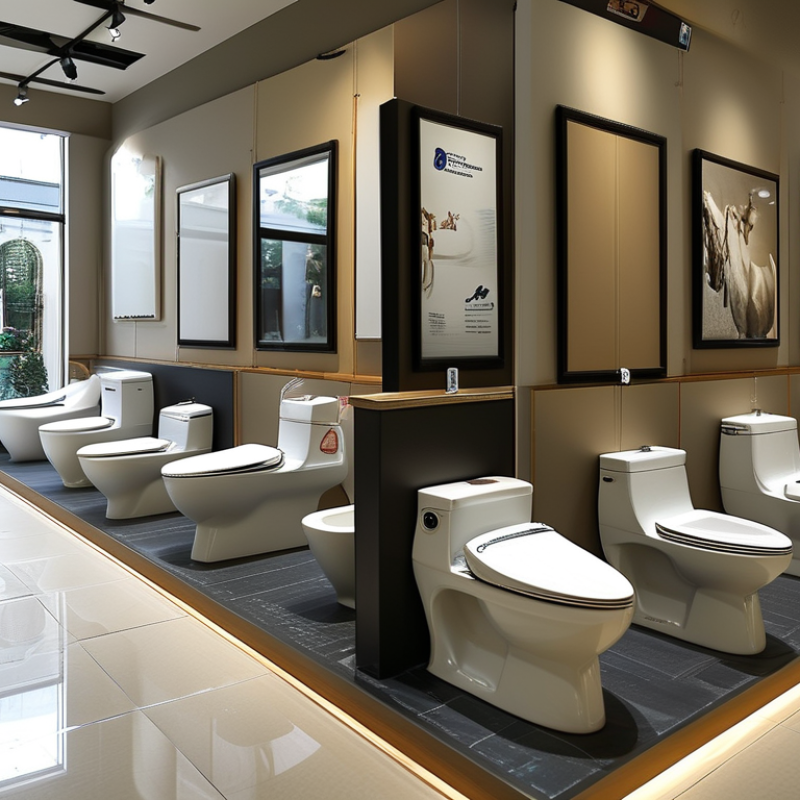
One-piece toilets have gained popularity for several reasons. Their seamless design gives a modern look to any bathroom. Since the tank and bowl are combined, there are fewer crevices. This makes cleaning easier and helps maintain hygiene. Many homeowners appreciate how this feature reduces maintenance time.
The benefits extend beyond mere aesthetics. One-piece toilets often use water efficiently. They feature advanced flushing technology, which can save water while providing powerful performance. This aspect is crucial for environmentally conscious buyers. Additionally, many models come with comfort height options, catering to different user needs.
While there are many advantages, buyers should also consider potential drawbacks. Installation can be tricky due to their weight. Some may find that the compact design limits options for customization. Understanding these nuances helps buyers make informed decisions. Balancing style and functionality is essential when choosing the right toilet.
What is the Best One Piece Toilet Seat for Global Buyers?
| Model |
Material |
Toilet Height |
Comfort Level |
Easy to Install |
Average Price (USD) |
| Model A |
Ceramic |
16.5 inches |
High |
Yes |
250 |
| Model B |
Plastic |
15 inches |
Medium |
Yes |
150 |
| Model C |
Ceramic |
17 inches |
High |
No |
320 |
| Model D |
Porcelain |
18 inches |
Very High |
Yes |
400 |
Evaluating Different Types of Toilet Seats for One Piece Units
When choosing a toilet seat for one-piece units, several types are available, each with unique features. Soft-close seats minimize noise during use, a significant advantage in shared bathrooms. A report by the American Institute of Architects noted that noise reduction has become a key factor in bathroom design. These seats can prevent slamming, which may lead to cracks and discomfort.
Elongated designs provide extra comfort and are often preferred in residential spaces. According to the National Kitchen and Bath Association, elongated seats are popular for their ergonomic design. However, they may require more space. Round seats, on the other hand, are a staple in smaller bathrooms, but users may find them less comfortable over time.
Durability is a considerable factor. Many users report issues with hinges and materials. Research suggests that plastic seats last longer than wood options. Yet, plastic can feel less luxurious. Choosing a seat that balances comfort and durability can be challenging. Many buyers overlook the importance of fitting, leading to poor installation. This decision impacts both functionality and aesthetics.
Factors to Consider When Choosing a Toilet Seat for Global Buyers
When choosing a one-piece toilet seat, several factors are crucial for global buyers. The first consideration is the size and shape of the seat. Different toilet designs may require specific shapes, such as elongated or round shapes. Measure your toilet to ensure a proper fit. An ill-fitting seat can lead to discomfort and may not seal properly, wasting water.
Material is another aspect to consider. Most toilet seats use plastic or wood. Plastic seats are lightweight and easy to clean. However, wood offers a classic look. The finish matters too. A smooth surface is easier to maintain than textured options. Pay attention to the hinge system as well. Durable hinges can prevent breakage, which is a common issue with cheaper models.
Comfort is subjective but important. Some buyers prefer cushioned seats, while others like firmer options. Testing different types can help find what works best. It's worth considering the ease of installation as well. A complicated setup can be frustrating. Finally, reviews and expert recommendations can guide choices but remember, not all products work for everyone.
Factors Influencing the Choice of One Piece Toilet Seats for Global Buyers
Top Recommended One Piece Toilet Seats from Trusted Brands
When selecting a one-piece toilet seat, numerous factors come into play. Industry reports indicate that the global toilet seats market is projected to reach $9.2 billion by 2027, reflecting growing consumer demand. This trend pushes brands to innovate and offer more comfortable, durable, and stylish options.
Among the most recommended options are products that emphasize ergonomic design. Studies show that an average consumer spends about 30 minutes a week on the toilet. Therefore, comfort should be a priority. Features like soft-close mechanisms can enhance usability while reducing noise, which is essential for shared living spaces.
Materials also matter significantly. High-quality plastic and ceramic options are popular due to their longevity. However, a few drawbacks exist. Some users find that cheaper models wear out quickly or lack stability. Purchasing a toilet seat requires thorough research. Despite many users opting for stylish designs, practicality should not be overlooked. The best choices balance aesthetics and functionality while addressing consumer feedback about wear and tear.
Maintenance and Installation Tips for One Piece Toilet Seats
Maintaining a one-piece toilet seat is crucial for ensuring longevity and hygiene. Regular cleaning with non-abrasive cleaners can prevent stains and buildup. Wipe down the seat and the surrounding area daily to keep it fresh. Consider using disinfectants once a week. This reduces bacteria accumulation and maintains a clean bathroom environment.
Installation can be straightforward, but some common challenges may arise. Ensuring the toilet seat aligns properly with the bowl is essential. An uneven installation can lead to discomfort or squeaking. Double-check the screws and bolts after installation to avoid loosening over time. It’s often necessary to readjust them periodically for stability.
When experiencing issues, reflect on your cleaning products and installation methods. Some products might damage your toilet seat over time. A careful choice of cleaning materials is beneficial. If a problem persists, consulting a professional is a wise decision. They can provide insights that may not be obvious initially. Maintaining awareness of the condition of your toilet seat is key to prolonging its usability.