Why Choose a Self Washing Toilet for Your Home?
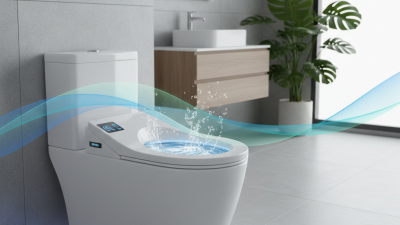
In today's fast-paced world, the "Self Washing Toilet" has emerged as a transformative addition to modern bathrooms. Renowned sanitation expert Dr. Emily Harper notes, "A Self Washing Toilet is not just about luxury; it's about hygiene and convenience." This statement encapsulates the essence of why homeowners are increasingly turning to this innovative solution.
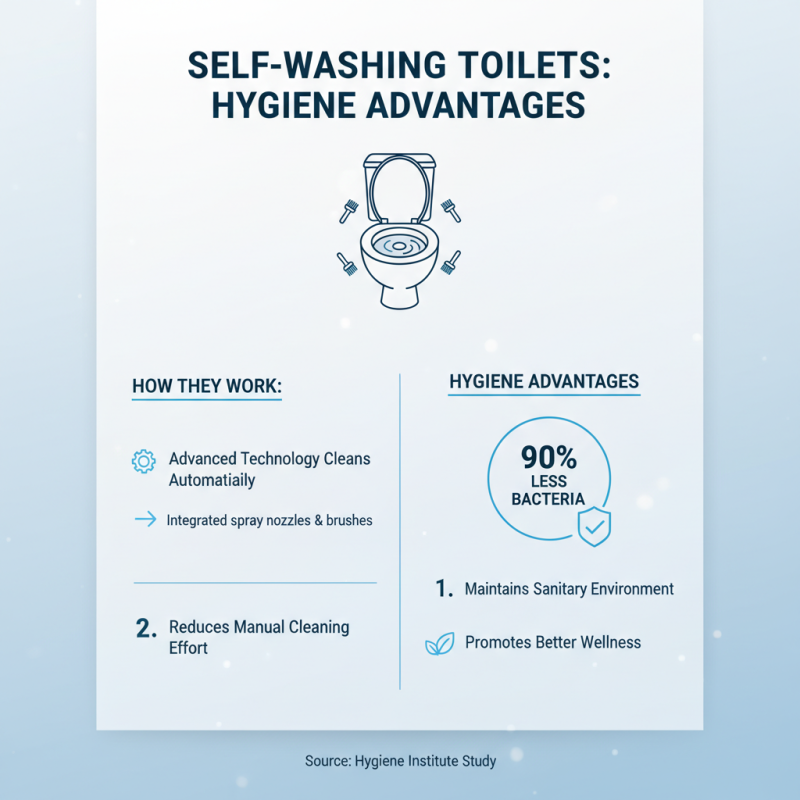
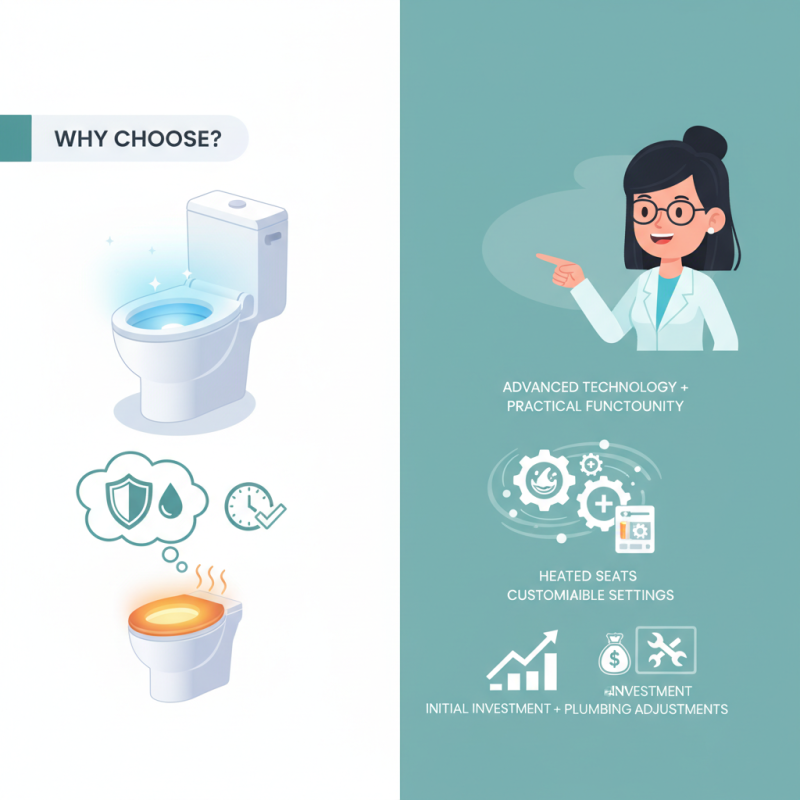
Self Washing Toilets offer a unique blend of advanced technology and practical functionality. They not only clean themselves but can also reduce the risk of harmful bacteria in your home. Imagine a toilet that automatically washes its bowl with every use, eliminating the need for harsh chemical cleaners. On the surface, this seems effortless, yet it demands careful consideration. Experts suggest that adapting to such a technological solution may involve a learning curve for some.
Moreover, convenience extends beyond maintenance. These toilets often come with features like heated seats and customizable settings, enhancing user experience. Yet, potential buyers may need to reflect on the initial investment and necessary plumbing adjustments. A Self Washing Toilet could revolutionize your daily routine, but it is essential to weigh the benefits against personal preferences and practical realities.
Benefits of a Self Washing Toilet for Modern Homes
A self washing toilet offers modern homes a blend of convenience and hygiene. With built-in cleaning mechanisms, these toilets reduce the need for harsh chemicals. They maintain freshness effortlessly. Many homeowners appreciate this automated approach. It’s a way to minimize daily chores, freeing up time for other activities.
These toilets often feature state-of-the-art technology. Self-cleaning functions are activated after each use. This ensures that the toilet bowl remains clean and stain-free. Additionally, some models eliminate bacteria with high-temperature steam. This is an added layer of protection for your family’s health.
While self washing toilets provide many benefits, they are not without their challenges. The initial installation cost can be high. Maintenance might also require specialized knowledge. Users need to weigh these factors against the long-term advantages. It’s essential to consider these aspects before making a decision.
Cost Considerations: Investment and Maintenance of Self Washing Toilets
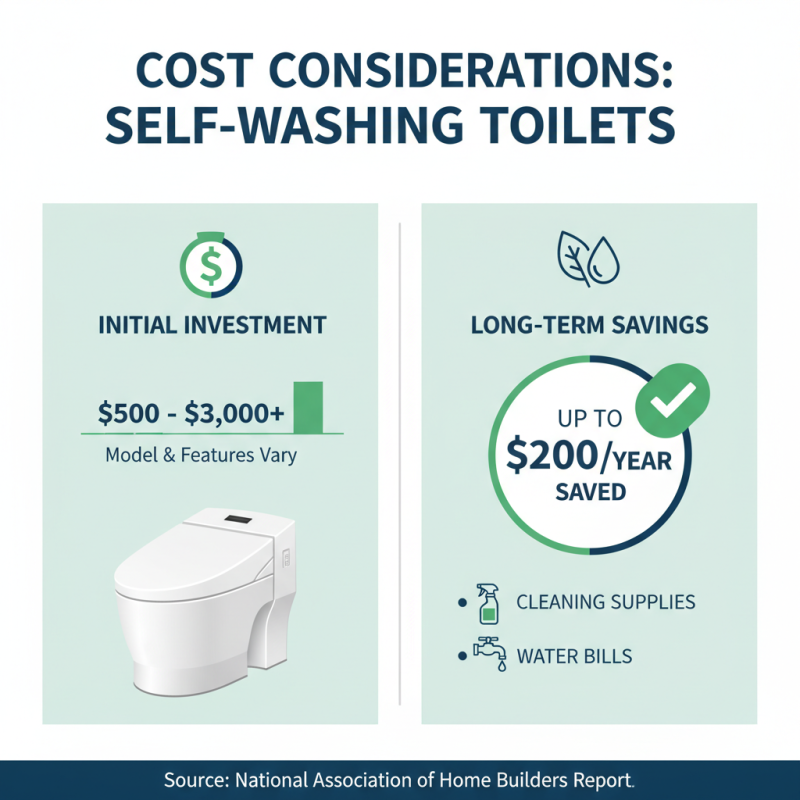
Investing in a self-washing toilet can seem daunting. The initial expense can range from $500 to over $3,000, depending on the model and features. However, experts suggest looking beyond the sticker price. According to a report by the National Association of Home Builders, homeowners can save up to $200 each year on cleaning supplies and water bills. Self-washing toilets utilize advanced systems to optimize water usage, significantly cutting costs.
Maintenance is another vital aspect to consider. Most self-washing toilets require less frequent servicing. Regular toilets may need professional plumbers for issues related to buildup and cleaning. That can average $150 per service call. In contrast, self-washing models can reduce this need to once every few years. A study from the International Society of Bathroom Design mentions that users reported a 40% decrease in cleaning time. This reflects more than just a time-saving benefit; it also translates into fewer resources consumed for cleaning.
While the benefits are compelling, the choice isn’t without reflection. Some homeowners have expressed concerns about technology reliability over time. How long will the cleaning feature last? Repair costs can emerge as a hidden expense. Users should weigh these aspects before committing to such a transformative fixture in their bathroom. The value may outweigh the initial investment for some, while others may find it unnecessary.
Environmental Impact: Water Savings and Eco-Friendly Features
Self-washing toilets are more than just a modern convenience. They play a significant role in water conservation. Traditional toilets use an average of 1.6 gallons per flush. In contrast, self-washing toilets can reduce this figure by over 30%. A study by the Water Research Foundation shows that using these toilets can save households over 10,000 gallons of water annually.
Eco-friendly features are central to self-washing toilets. Many of them include dual-flush systems or use advanced cleaning technologies that minimize water use. An independent report from the Environmental Protection Agency (EPA) highlights that reducing toilet water use can dramatically decrease household water consumption. Moreover, self-washing toilets often employ sanitizing technologies that reduce the need for harsh chemical cleaners. This shift results in a gentler impact on the environment.
However, some concerns exist. The technology can be complex and may require maintenance. Users must be mindful of the energy consumption associated with these features. It's crucial to weigh these factors against the environmental benefits. Not every household may find the initial investment justifiable. Nevertheless, as water scarcity grows, innovative solutions like self-washing toilets deserve serious consideration.
Water Savings and Eco-Friendly Features of Self Washing Toilets
Self washing toilets are designed to conserve water and provide eco-friendly features. This chart compares the average water usage per flush between a traditional toilet and a self washing toilet, highlighting the significant water savings achieved by adopting eco-friendly models.
User Experience: Comfort and Convenience of Self Washing Toilets
Self washing toilets offer unique experiences that boost comfort and convenience for users. The design of these toilets integrates advanced technology. They provide automatic cleaning features, ensuring a hygienic environment. This eliminates manual scrubbing, which can be time-consuming and unpleasant. More importantly, this encourages healthier habits by promoting proper sanitation.
User experience is not limited to hygiene alone. Many find the warmth of heated seats appealing during colder months. Adjustable spray settings cater to individual preferences, enhancing comfort. Some users may initially feel hesitant about the technology. Resistance can often stem from unfamiliarity. Embracing change can lead to unexpected benefits, making daily routines more pleasant.
The convenience extends beyond just cleanliness. Self washing toilets often have built-in air dryers, reducing the need for toilet paper. This proactive approach minimizes waste and promotes eco-friendly habits. While it can be an investment, the long-term advantages often outweigh the initial cost. Understanding these features empowers users to make informed decisions.