Why Choose a Wall Hanging Toilet for Your Bathroom Upgrade?
Upgrading your bathroom can be both exciting and daunting. One popular choice is the Wall Hanging Toilet. This modern fixture provides a sleek design and saves valuable floor space. David Chang, an expert in bathroom design, believes, "Wall Hanging Toilets are not just practical; they transform the space."
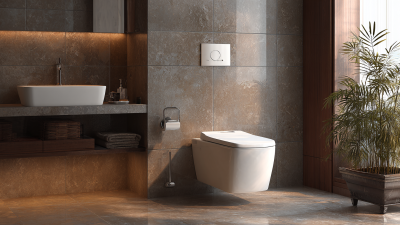
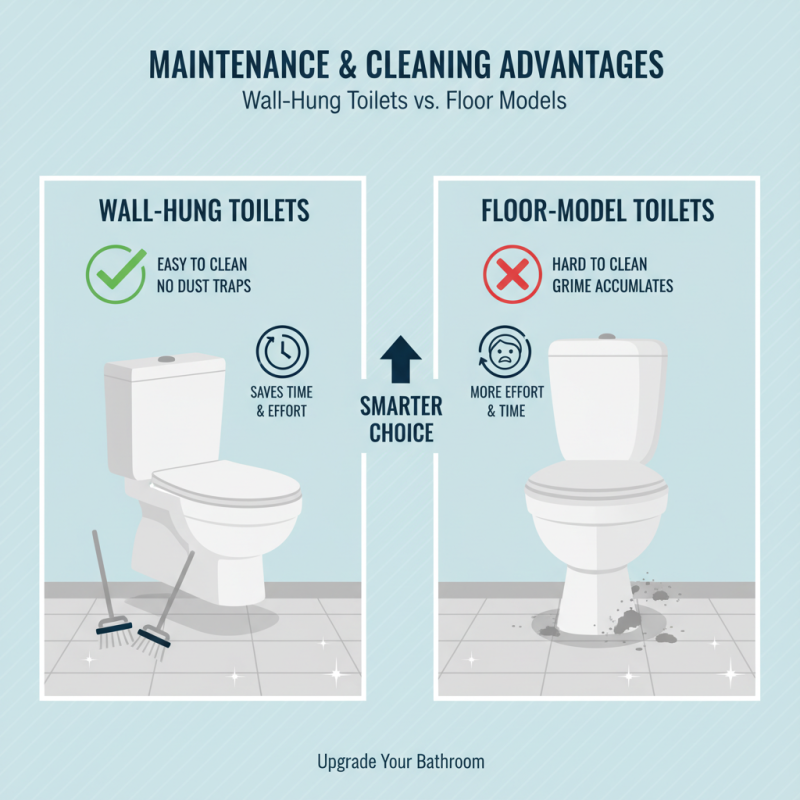
Consider the aesthetic impact of a Wall Hanging Toilet. It elevates the visual appeal of the room while offering easy cleaning. Many homeowners appreciate this feature, as traditional toilets can be cumbersome. The floating design creates an illusion of spaciousness, crucial for smaller bathrooms.
However, there are some drawbacks to consider. Installation can be complex, often requiring professional help. Additionally, Wall Hanging Toilets usually come at a higher price point. It’s vital to balance style with functionality, ensuring your choice meets your needs. Reflect on your space and ask yourself if this upgrade aligns with your vision.
Benefits of Installing a Wall Hanging Toilet in Your Bathroom
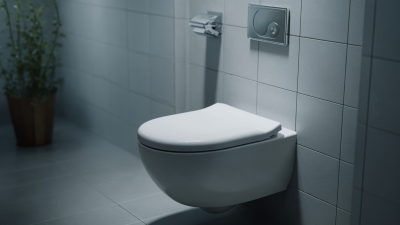
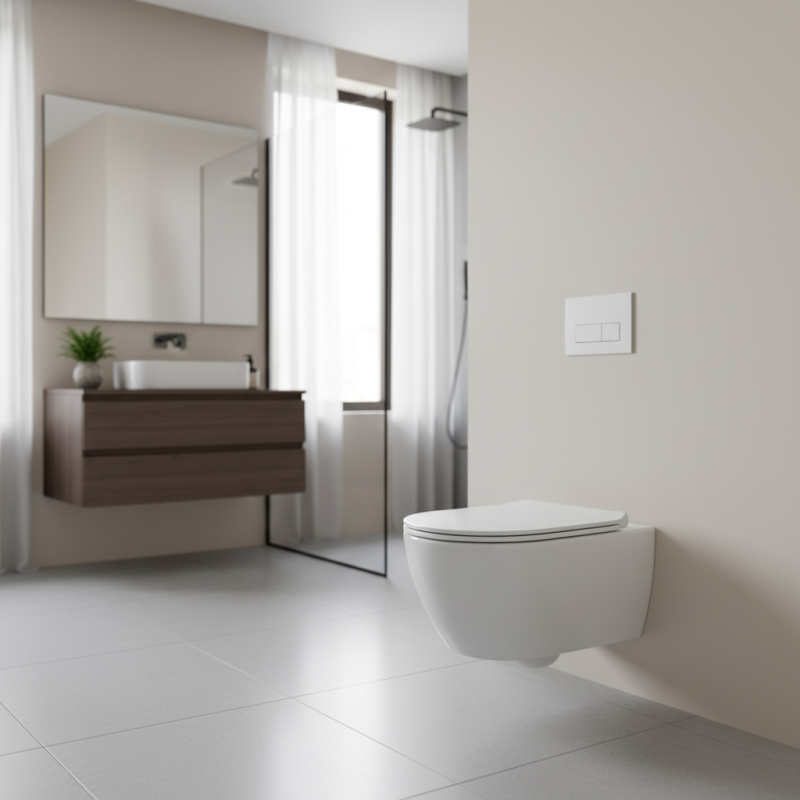
When considering a bathroom upgrade, a wall hanging toilet offers numerous benefits. These toilets create a sleek and modern look. They save space by mounting on the wall, freeing up valuable floor area. This can make even the smallest bathrooms feel larger. Additionally, cleaning becomes easier. With no base to obstruct, you can simply wipe the floor underneath.
Another significant benefit is the enhanced style that wall-hung toilets bring. They come in various designs and colors. This allows for seamless integration with your existing decor. Many homeowners appreciate the minimalist aesthetic that these fixtures provide. However, installation can be tricky. Proper support and plumbing are crucial for a seamless setup. Not everyone feels confident in tackling this job alone.
Energy efficiency can also be a concern. Many modern wall hanging toilets are designed to conserve water. They use less water per flush. This not only benefits the environment but also reduces utility bills. Yet, it’s essential to select a model that suits your needs. Choices abound, and one size doesn't fit all. Ultimately, weighing these factors can help you create the perfect bathroom retreat.
How Wall Hanging Toilets Save Space Compared to Traditional Models
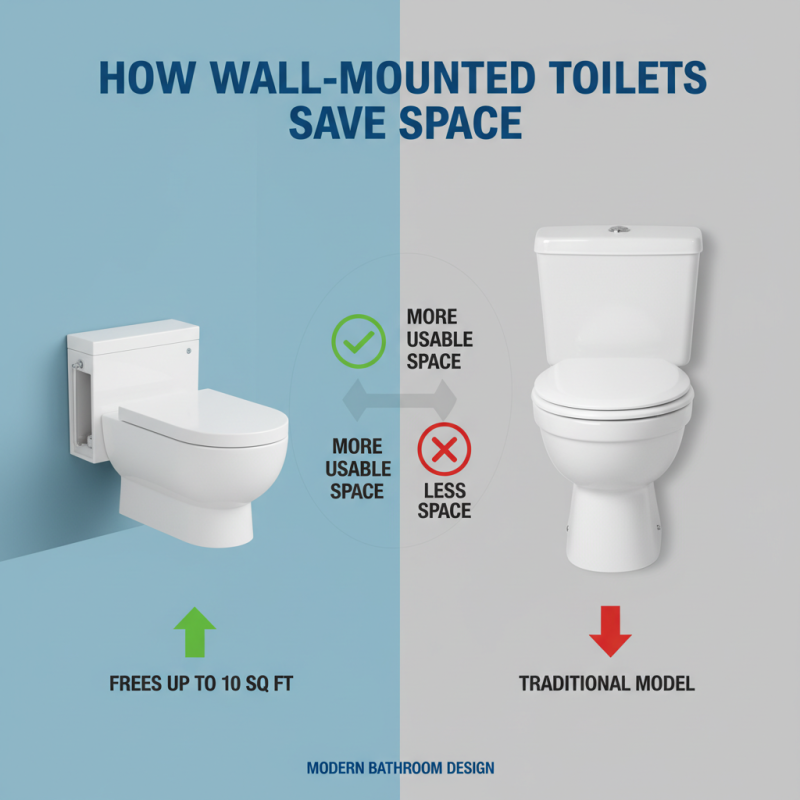
Wall hanging toilets are becoming increasingly popular in modern bathroom designs. One of the most significant advantages is their ability to save space. According to a report by the National Kitchen and Bath Association, wall-mounted toilets can free up to 10 square feet of usable space compared to traditional models. This space-saving feature is essential in smaller bathrooms, where every inch counts.
Additionally, wall hanging toilets allow for easier cleaning. The absence of a base means that the floor beneath the toilet is more accessible. Cleaning becomes quicker and more efficient, which is a relief for busy homeowners. An article by Bathroom Trends notes that about 30% of homeowners prioritize ease of maintenance when upgrading their bathrooms.
However, there are challenges to consider. Installation can be more complex, requiring wall support and renovation of plumbing. Not every wall can accommodate this design, which may lead to unforeseen costs. Prospective buyers need to assess their bathroom layout carefully before making a decision. While the aesthetic appeal is clear, practical issues should not be overlooked.
Stylish Design Options for Wall Hanging Toilets and Their Impact on Aesthetics
Wall hanging toilets are gaining popularity in modern bathrooms. Their sleek design offers a minimalist touch that many homeowners desire. According to a recent industry report, over 45% of homeowners prefer wall mounted options for their aesthetic appeal. These toilets free up floor space, enhancing the visual flow of the room. They create an illusion of a larger area, making even compact bathrooms feel more expansive.
Stylish design options abound. Some models feature elegant lines and various finishes, from matte to glossy. Designers often emphasize form and function. The choice of color adds a unique flair to your space. However, it’s essential to consider maintenance. Cleaning can be more challenging with concealed plumbing. Many homeowners choose wall hanging toilets but may overlook this aspect. Reports suggest that more than 30% of users found regular cleaning to be a hassle.
Moreover, the trend in bathroom design places an emphasis on sustainability. Wall hanging toilets often consume less water compared to traditional models. Industry data shows an average reduction of 20% in water usage. While this is a significant improvement, it’s crucial to research thoroughly. Some models may not meet individual needs for efficiency or comfort. Making a choice may not be straightforward, and thoughtful evaluation is key.
The Installation Process: What to Expect When Choosing a Wall Toilet
When considering a wall hanging toilet, the installation process is key. This modern fixture requires specific preparations. A professional plumber is essential for proper setup. This type of toilet connects to a concealed tank. The tank is hidden behind the wall, saving space.
The installation involves framing and plumbing adjustments. It may require retrofitting existing plumbing. Typically, installation can take several hours. According to industry reports, about 25% of homeowners encounter unexpected challenges during this process. Issues like wall strength and plumbing configurations can complicate installation.
Safety is another factor. Proper installation ensures stability. A poorly installed unit can lead to leaks or malfunction. Proper support is necessary to bear the weight. Homeowners should seek experienced professionals for installation. This minimizes potential issues and ensures longevity. Proper planning and execution are essential for a successful bathroom upgrade.
Why Choose a Wall Hanging Toilet for Your Bathroom Upgrade? - The Installation Process: What to Expect When Choosing a Wall Toilet
| Feature |
Description |
Advantages |
Considerations |
| Space-saving Design |
Wall hanging toilets are mounted on the wall, freeing up floor space. |
Ideal for smaller bathrooms, promotes easier cleaning. |
Requires existing structural support or an installation kit. |
| Modern Aesthetic |
Provides a sleek, contemporary look to any bathroom. |
Enhances the overall decor and can increase home value. |
Choice of styles may be limited depending on retailer. |
| Easy to Clean |
With no base to clean underneath, maintenance is simplified. |
Reduced dust and grime accumulation. |
May require special cleaning products for sensitive surfaces. |
| Installation Requirements |
Requires professional installation to ensure proper support. |
Can accommodate a range of plumbing arrangements. |
Higher upfront installation costs compared to traditional toilets. |
| Water Efficiency |
Many models use less water per flush, promoting conservation. |
Cost savings on water bills over time. |
Ensure local codes support low-flow fixtures. |