How to Choose the Best Compact One Piece Toilet for Small Bathrooms
In today's modern living environments, space is often at a premium, especially in bathrooms. For homeowners and designers looking to maximize functionality without sacrificing style, choosing the right fixtures is crucial. One standout option gaining popularity is the Compact One Piece Toilet. Known for its sleek design and efficient use of space, this type of toilet offers an ideal solution for small bathrooms.
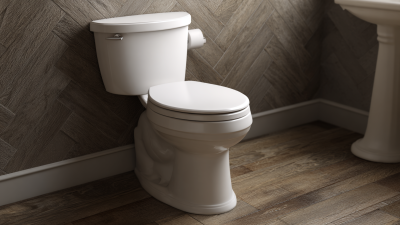
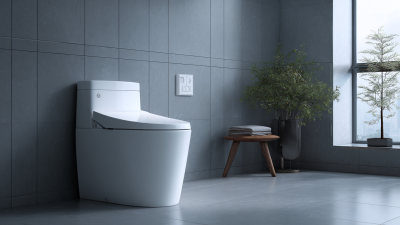
When selecting a Compact One Piece Toilet, it’s essential to consider various factors such as size, comfort, and water efficiency. Many of these toilets blend seamlessly into tight areas while still maintaining a high level of performance and comfort. Furthermore, their streamlined design not only enhances the overall aesthetic of the bathroom but also makes cleaning and maintenance easier, setting them apart from traditional two-piece models.
Ultimately, investing in a Compact One Piece Toilet allows homeowners to enjoy a more spacious and functional bathroom without compromising on style or convenience. This guide will delve into the key aspects to consider when making this important choice, ensuring that you find the perfect fit for your compact bathroom needs.

Understanding Compact One Piece Toilets and Their Benefits
Compact one piece toilets have gained popularity in recent years, particularly for small bathrooms where space efficiency is crucial. These toilets integrate the bowl and tank into a single unit, which not only reduces the footprint but also enhances aesthetic appeal. According to a study published by the National Kitchen and Bath Association, space-saving solutions in bathrooms are becoming increasingly essential, with over 40% of homeowners prioritizing compact designs in their renovations.
One of the main benefits of compact one piece toilets is their streamlined design, which makes cleaning significantly easier compared to two-piece models. The absence of joints and crevices minimizes areas for dirt and grime to accumulate, promoting better hygiene. Additionally, many compact models are designed with water-saving features, often using 1.28 gallons per flush or less, aligning with the EPA’s WaterSense criteria. This not only leads to reduced water bills but also contributes to environmental sustainability by conserving water resources.
**Tips:** When selecting a compact one piece toilet, pay attention to the height and bowl shape to ensure comfort and accessibility. Look for models with a flush rating of at least 1,000 grams as measured by the MaP (Maximum Performance) testing to guarantee efficient waste removal. Lastly, consider the overall design aesthetics to ensure that it complements your bathroom’s decor while maximizing space.
Key Features to Look for in a Compact One Piece Toilet
When selecting a compact one piece toilet for small bathrooms, several key features should be taken into account to ensure optimal functionality and space efficiency. First and foremost, the size and dimensions of the toilet are crucial. Look for models that are designed specifically for compact spaces, often having a shorter length and a lower height. This can make a significant difference in maximizing your bathroom's area without sacrificing comfort.
Another important feature to consider is the flushing system. Compact one piece toilets often come equipped with efficient flushing technologies that help save water while still providing powerful performance. A dual-flush option can be particularly advantageous, allowing you to choose between different flush volumes depending on the waste being disposed of. Additionally, pay attention to the bowl height. Standard heights may not be comfortable for everyone, so you might want to look for a comfort height model that makes sitting down easier.
Tips: When shopping, always measure your bathroom space to ensure the new toilet fits well. Also, consider the ease of installation and maintenance; some compact toilets are designed for simple setup and quick cleaning. Finally, read customer reviews to gain insights into the experience of others with specific models, helping you to make a more informed decision about your purchase.
Top Brands and Models for Small Bathrooms
When selecting a compact one-piece toilet for small bathrooms, it's essential to focus on
efficiency, design, and water-saving features.
According to the Environmental Protection Agency (EPA), toilets account for nearly
30% of a home's overall water usage, which
highlights the importance of choosing a model that conserves water while providing optimal performance.
Top-performing compact models typically feature a streamlined design, allowing for space-saving
installation without sacrificing comfort.
Several brands have gained recognition in the industry for their innovative compact toilet designs.
Models often touted for their efficiency include those that offer a
dual-flush system, which enables users to choose
between a lighter flush for liquid waste and a more robust flush for solid waste. These systems can
reduce water usage by up to 67%,
as reported by the EPA. Additionally, look for toilets with a seat height that complies with the
Americans with Disabilities Act (ADA)
standards, enhancing accessibility and user comfort.
Tip: Always check the rough-in measurement before purchasing a compact toilet to
ensure a proper fit in your space. Another essential aspect to consider is the flush technology;
models with a powerful siphonic flush often provide a more reliable clean and reduce the likelihood
of clogs. Lastly, examining the warranty and customer reviews can provide insights into the performance
and durability of various models, helping you make an informed decision that aligns with your
bathroom's needs.
Installation Considerations for Compact Toilets
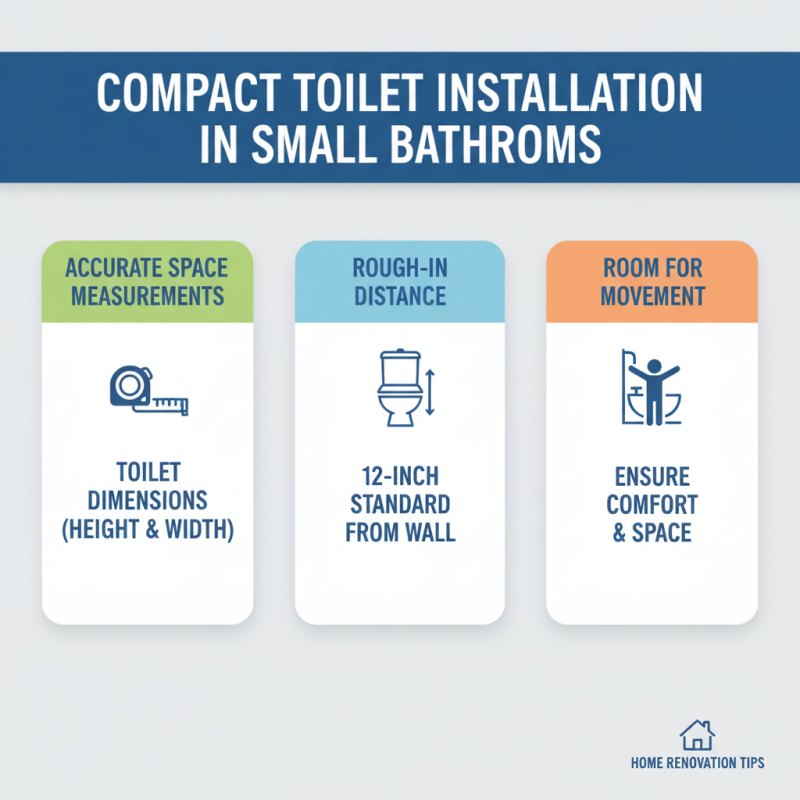
When considering the installation of a compact one-piece toilet in a small bathroom, several factors must be considered to ensure an efficient and seamless setup. First, accurate measurements of the space are essential. Taking into account the toilet’s dimensions, including height and width, helps to optimize the limited area. Furthermore, the distance from the wall to the toilet's rough-in location is critical, as most toilets require a standard 12-inch rough-in. Ensuring that there is enough room for movement and comfort in the bathroom is equally important to avoid any cramped feelings when using the space.
Another crucial aspect to keep in mind is the plumbing configuration. Compact toilets often have a different water supply line placement compared to traditional toilets. It’s beneficial to analyze the existing plumbing setup and determine if any adjustments are needed before installation. Additionally, the installation process may vary slightly based on the toilet model, so reviewing the manufacturer’s guidelines will provide helpful insights. Ultimately, engaging a professional plumber may streamline the installation, ensuring that everything is connected correctly and functioning optimally, especially in tight environments where space is at a premium.
Maintenance Tips for Optimal Performance of Compact Toilets
When it comes to maintaining a compact one-piece toilet, regular upkeep is crucial to ensure optimal performance. Start by regularly inspecting the toilet for leaks around the base and supply line. Even small leaks can lead to larger water waste issues over time. If you notice any signs of leaking, it’s important to address them promptly, as this can prevent further damage and save on water bills.
Cleaning the toilet bowl should also be integrated into your maintenance routine. Use a gentle cleaner specifically designed for toilets to avoid damaging the surface. It's advisable to scrub the bowl with a toilet brush at least once a week to prevent stains and buildup. Additionally, remember to clean the exterior, including the flush handle and seat, as these areas can harbor bacteria. Regular maintenance not only extends the life of the toilet but also helps in retaining its sleek appearance, which is particularly important in compact spaces.