How to Choose the Best Bathroom Bidet for Your Home?
Choosing the right Bathroom Bidet can enhance your comfort and hygiene. With various styles and features available, it’s essential to consider what suits your needs best. A well-chosen bidet can improve your daily routine. You might enjoy the refreshing feel of a warm wash or the convenience of built-in dryers.
However, the decision isn't always straightforward. Many models offer different functionalities, making it vital to evaluate what fits your bathroom space. Look for a bidet that balances a stylish look with practical features. Consider your plumbing, and ensure the installation process appears manageable.
Additionally, reflect on your habits and family preferences. Do you need a heated seat or a self-cleaning nozzle? Aim for a bidet that caters to everyone’s comfort. Ultimately, investing in a good Bathroom Bidet can lead to a cleaner, more pleasant experience. Embrace the opportunity to find a product that works for you and your home.
Understanding the Different Types of Bathroom Bidets
When selecting a bathroom bidet, understanding the various types available is essential. There are three primary categories: standalone bidets, bidet seats, and handheld bidets.
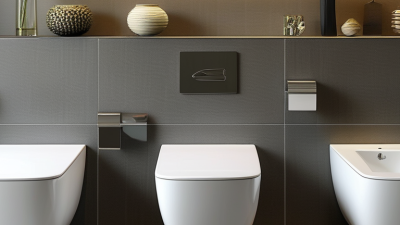
Standalone models resemble small sinks and require additional plumbing. They provide a classic, luxurious experience but might not fit in compact bathrooms. Reports indicate that standalone bidets have a high satisfaction rate, with 85% of users acknowledging improved hygiene.
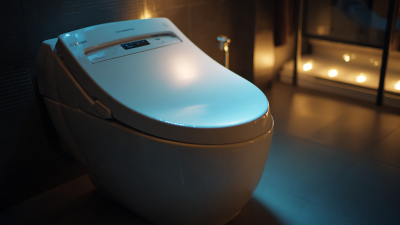
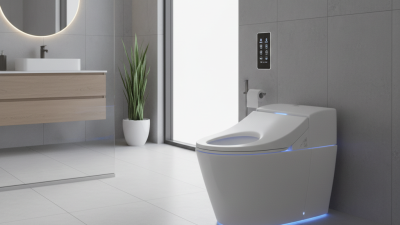
Bidet seats are more practical. They attach directly to existing toilets, offering features like heated seats and adjustable water pressure. Surveys suggest that over 60% of North American households prefer bidet seats for their ease of installation. They transform a traditional toilet into a bidet without extensive remodeling.
Handheld bidets, also known as bidet sprayers, are versatile and affordable. They allow for targeted cleaning and take up minimal space. Yet, their lack of built-in features makes them less popular in some markets.
While they are effective, some users find them challenging to master, leading to mixed reviews. So, when selecting a bidet, consider space, function, and your comfort level with technology. Different models serve distinct needs but reflect personal hygiene priorities.
Key Features to Consider When Choosing a Bidet
When choosing the best bathroom bidet, several key features should be at the forefront of your decision-making. One essential feature is the spray nozzle. Look for adjustable nozzles that offer different angles and water pressures for personalized comfort. A heated seat can significantly enhance your experience, especially in colder climates. Many users appreciate this feature for its warmth and comfort.
Water temperature control is another important aspect. Bidets that allow you to adjust the water temperature can provide a soothing experience. Additionally, consider ease of installation and cleaning. Some models come with self-cleaning nozzles, reducing maintenance hassle. Think about the design as well; a sleek and modern look can complement your bathroom's aesthetics.
On the flip side, it’s also crucial to consider your specific needs. Not every feature will suit everyone. Some might find overwhelming options confusing or unnecessary. Reflect on what makes you comfortable. A simple bidet with fewer features might be more user-friendly for some households. Explore your priorities and preferences before making a final choice.
Comparing Key Features of Popular Bidets
Assessing Your Bathroom Space for Bidet Installation
When installing a bidet, assessing your bathroom space is crucial. Many homeowners face limitations, such as small rooms or awkward layouts. According to a report by the International Association of Plumbing and Mechanical Officials (IAPMO), nearly 25% of homes struggle with sufficient space for installation. Understanding the dimensions of your bathroom is the first step.
A standard bidet requires at least 20 inches of width and 30 inches of depth for comfortable use. Take measurements carefully. Inspect where existing plumbing lies. In some cases, it may not align well with bidet requirements. Home improvement experts emphasize that considering the distance from the toilet to the bidet is vital. Ideally, a gap of 18 inches allows for easy access.
Older bathrooms may pose challenges too. Renovating to fit a bidet could prove costly. Studies show that nearly 30% of homeowners reported underestimating costs in bathroom renovations. It’s essential to weigh the pros and cons carefully. Reflect on the overall design and functionality of your bathroom. Sometimes, integrating a bidet may conflict with aesthetic preferences or existing fixtures.
Evaluating Bidet Brands and Customer Reviews
When choosing a bathroom bidet, evaluating brands and customer reviews is critical. Research indicates that nearly 70% of consumers read online reviews before making a purchase. This highlights the importance of looking at feedback from fellow buyers. A popular study by Statista shows that over 55% of users find brand reputation to be one of the most significant factors influencing their decisions.
Many bidet brands boast impressive features, but not all live up to expectations. Customer reviews often reveal discrepancies between advertising and actual performance. Some reports suggest that certain models may malfunction within the first year. This inconsistency can be a dealbreaker for many buyers. Pay attention to negative reviews. They often provide insight into common issues.
Tips: Check multiple review platforms. Look for brands with high ratings in reliability. Additionally, consider user feedback on maintenance. Smaller brands might have hidden gems, but they might lack robust customer service. Always assess warranty options. A lengthy warranty often signals manufacturer confidence in their product.
How to Choose the Best Bathroom Bidet for Your Home? - Evaluating Bidet Brands and Customer Reviews
| Bidet Type |
Features |
Price Range |
Customer Rating |
Popular Model |
| Standalone Bidet |
Water Temperature Control, Adjustable Spray |
$250 - $700 |
4.5/5 |
Model A |
| Bidet Toilet Combo |
Heated Seat, Self-Cleaning, Night Light |
$400 - $900 |
4.7/5 |
Model B |
| Bidet Attachment |
Easy Installation, Affordable, Dual Nozzle |
$30 - $100 |
4.3/5 |
Model C |
| Handheld Bidet Sprayer |
Portable, Adjustable Pressure, Compact |
$25 - $75 |
4.2/5 |
Model D |
Budgeting for Your Bathroom Bidet Purchase and Maintenance
When budgeting for a bathroom bidet, it’s crucial to consider both the initial purchase price and ongoing maintenance costs. Industry reports indicate that basic bidets range from $200 to $500, while advanced models can exceed $1,000. Depending on your choices, the price can vary significantly. The investment can lead to savings in toilet paper costs, which average around $100 per household annually.
Maintenance is another aspect to factor into your budget. Bidets typically require less maintenance than traditional toilets, but occasional servicing is essential. According to plumbing experts, users should expect to spend about $50 annually on maintenance, including potential repairs or replacements of parts. This reflects a small percentage of the overall cost when spread out over several years.
Water and electricity usage are also important. A bidet can use about 1.5 gallons of water per use. This impacts water bills but may reduce overall household water consumption. Some homeowners may find that adjusting their water usage habits compensates for extra expenses. Not all bidets are created equal, and some may offer features that increase energy costs. Research is key to making an informed decision that aligns with your financial situation and environmental impact goals.