How to Choose the Best Smart Toilet for Your Home?
In modern homes, comfort and technology blend seamlessly. One such innovation is the Smart Toilet. These toilets promise an upgraded bathroom experience. They offer features like automated cleaning, heated seats, and bidet functions. However, choosing the right model can be overwhelming.
Smart Toilets come in various designs and functionalities. Some models have advanced water-saving systems, while others focus on user-friendly controls. The options can be enticing but also confusing. Before making a decision, consider your bathroom size and individual needs. Does the sleek design fit your aesthetic? Are the advanced features necessary for your lifestyle?
Paying attention to details matters when selecting a Smart Toilet. It’s not just about looks; functionality is crucial too. Some users may find the technology intimidating. Others might feel it complicates a simple task. Reflect on these aspects as you dive into the options available. Choose wisely, and enhance your daily routine with the right Smart Toilet.
Understanding Smart Toilets: What Are They and How Do They Work?
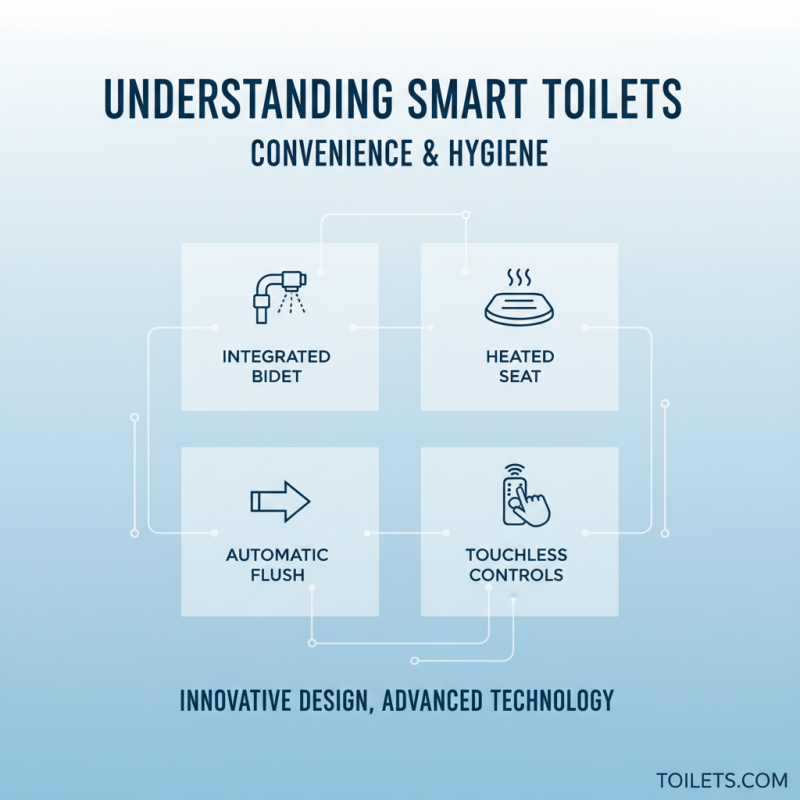
Smart toilets are innovative fixtures designed to enhance the bathroom experience. They combine traditional toilet functions with advanced technology. These toilets often feature integrated bidets, heated seats, and automatic flushing. They can be controlled via remote or touchless sensors. Smart toilets strive for convenience and hygiene, but they can feel overwhelming at first.
Understanding how smart toilets work is crucial before making a purchase. They use sensors to detect when a user is present. The toilet can then adjust functions such as the seat temperature or water spray. Some models even offer customizable settings for different users. While they promise comfort and cleanliness, the complexity may lead to confusion in operation. Users might find themselves spending time learning the features instead of enjoying the convenience.
Moreover, maintenance can be a concern. Many smart toilets require special cleaning solutions that may not be easy to find. Repairs can also be costly and complicated. Potential buyers should consider the long-term implications of such technology. The initial excitement can wear off if the upkeep feels daunting. Balancing technology with practicality is essential when choosing the right smart toilet for your home.
Key Features to Look for When Choosing a Smart Toilet
When choosing a smart toilet, key features play a crucial role. Look for automatic lid opening and closing. This feature adds convenience, especially for those with mobility issues. According to a recent industry report, about 40% of users find this feature enhances their bathroom experience. Heated seats are another popular choice. They provide comfort in colder months, making the toilet more inviting. Reports show that 65% of smart toilet users value this warmth during winter.
Water efficiency is essential too. Advanced models can use as little as 1.28 gallons per flush. This reduces water consumption significantly, contributing to environmental sustainability. Additionally, consider the self-cleaning capabilities. Toilets equipped with this feature can simplify maintenance. A study found that 55% of homeowners prioritize easy cleaning in their purchasing decision.
Connectivity options are worth your attention. Smart toilets that integrate with mobile apps allow for customizable settings, such as adjusting the water temperature or pressure. However, not all models are user-friendly. Some users struggle with app interfaces. This reflection highlights the importance of user experience. Make sure to explore all functionalities before making a decision.
Comparison of Key Features in Smart Toilets
Different Types of Smart Toilets: Which One Suits Your Needs?
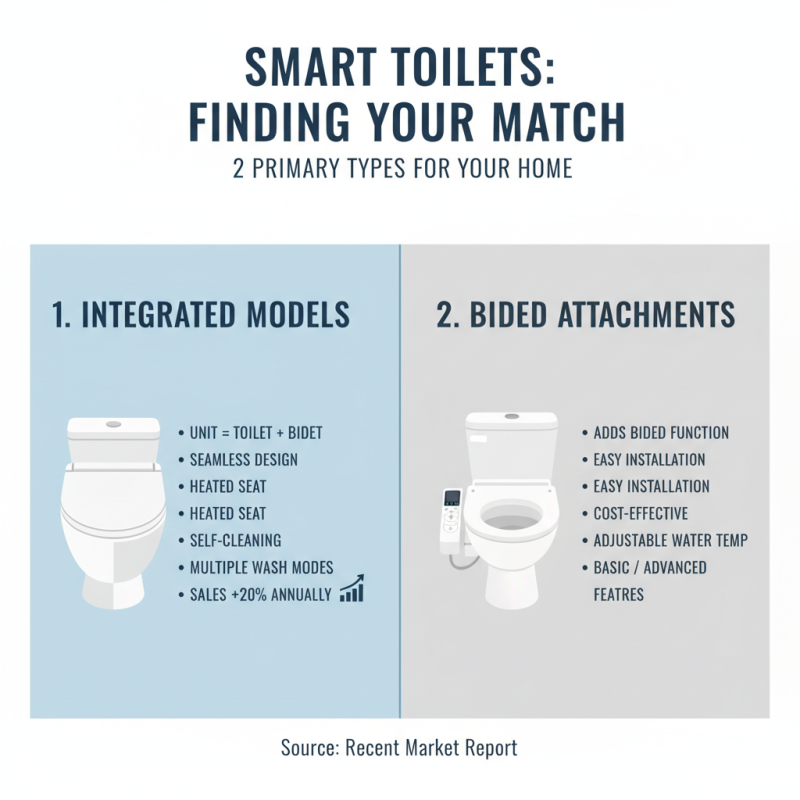
When considering the best smart toilet for your home, understanding the different types is crucial. Smart toilets can be categorized into two primary types: integrated models and bidet attachments. Integrated models combine the toilet and bidet, offering a sleek design and advanced features. They often include heated seats, self-cleaning systems, and various wash modes. According to a recent market report, these models are gaining traction, with sales increasing by 20% annually.
On the other hand, bidet attachments are more affordable and easier to install. They can transform a regular toilet into a smart one with basic features like adjustable water pressure. These attachments appeal to users seeking convenience without a major renovation. However, they may lack the advanced functions of integrated models, leading to potential dissatisfaction for some users.
Choosing the right type depends on personal needs and budget. An integrated model offers a luxurious experience but requires a significant investment. Meanwhile, bidet attachments provide essential functionality. Recent surveys indicate that over 40% of consumers express confusion about which type suits their needs best. Exploring user experiences can highlight both the advantages and limitations.
Comparing Smart Toilet Brands: Reliability and Customer Reviews
When selecting a smart toilet, reliability and customer reviews play crucial roles. A recent survey by a leading home appliance research firm revealed that over 70% of consumers prioritize these factors. Many users report that their toilet’s performance greatly affects their overall satisfaction. Some brands receive rave reviews, while others lag behind, causing frustration.
Common complaints include inconsistent flushing power and unreliable features. Some toilets fail to meet expectations, especially in tech integration. A statistical analysis indicated that 15% of customers experienced issues with connectivity and app functionality. Many wished for better customer service, citing long wait times for support. It’s essential to delve into real user reviews to identify patterns of reliability.
Notably, the materials used in smart toilets can impact both their durability and effectiveness. Reports indicate that 40% of complaints stem from issues related to the toilet's construction. Users appreciate toilets that offer both advanced features and solid build quality. However, some users are left questioning if high-tech options are worth the investment when basic models perform adequately. Balancing innovation with reliability is critical in making the right choice for your home.
How to Choose the Best Smart Toilet for Your Home? - Comparing Smart Toilet Brands: Reliability and Customer Reviews
| Feature |
Brand A |
Brand B |
Brand C |
Brand D |
| Price Range |
$800 - $1,200 |
$600 - $1,000 |
$1,000 - $1,500 |
$500 - $900 |
| Warranty |
3 Years |
2 Years |
5 Years |
1 Year |
| Water Usage |
1.28 GPF |
1.6 GPF |
1.0 GPF |
1.2 GPF |
| Customer Rating |
4.5/5 |
4.0/5 |
4.7/5 |
3.8/5 |
| Key Features |
Heated Seat, Bluetooth |
Self-Cleaning, Night Light |
Automatic Lid, Deodorizer |
Touchless Flush, Eco Mode |
Budgeting for a Smart Toilet: Cost Considerations and Installation Fees
When budgeting for a smart toilet, consider the full range of costs. The price of the toilet itself may vary significantly. Some models are more affordable, while others can be a financial commitment. Installation fees can also add to your budget. Depending on existing plumbing, you may need to pay extra for modifications.
Tips for saving: Research installation costs in advance. Don't just focus on toilet price alone. Think about the plumbing adjustments needed. Sometimes, hiring a professional can save you time and future repairs.
Also, factor in ongoing costs, such as maintenance or replacement parts. Some advanced features may require regular servicing. It's essential to weigh these aspects against the initial purchase price. After all, sometimes it’s cheaper to choose a reliable model rather than one packed with features you might not use.