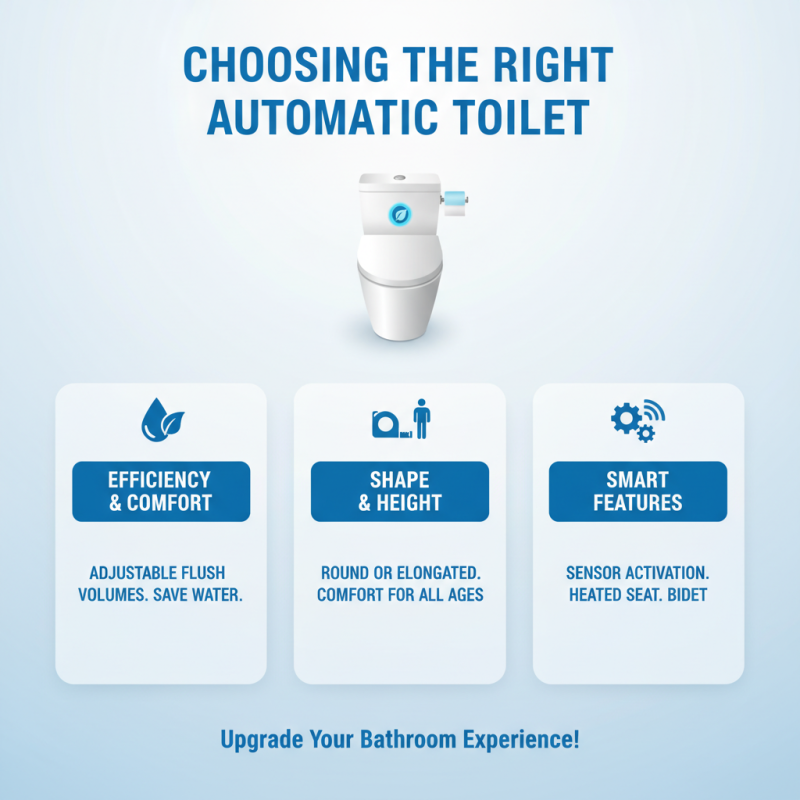
10 Essential Tips for Using Flush Automatic Toilet Efficiently
In modern restrooms, the Flush Automatic Toilet stands out as a symbol of efficiency and hygiene. These innovative fixtures use sensors to detect when a user has finished, flushing automatically to ensure cleanliness. While they enhance convenience, using them correctly requires some knowledge. A small error can result in water waste or malfunction.
Understanding how to operate a Flush Automatic Toilet is essential. Users often overlook the importance of regular maintenance, which can lead to problems. For example, if sensors become obstructed or dirty, the toilet might not function properly. Additionally, choosing the right settings can prolong the lifespan of the unit.
Embracing these toilets can lead to remarkable water savings if used efficiently. Yet, many users report frustrations that stem from misuse. By learning effective tips, you can improve your experience. This guidance will not only help in making the most of your Flush Automatic Toilet, but it will also contribute to a more sustainable environment.
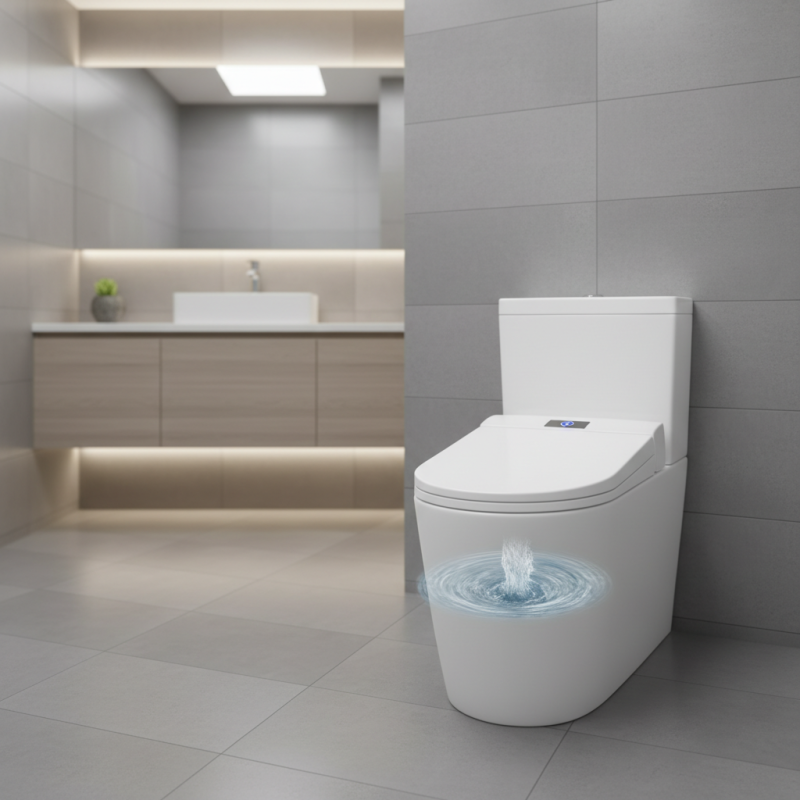
Understanding Flush Automatic Toilets: Key Features and Benefits
Flush automatic toilets are a modern solution that enhances both convenience and hygiene. These toilets are designed to offer a seamless experience, minimizing the need for manual operation. According to a 2022 industry report, automated flushing systems can reduce water usage by up to 30% compared to traditional toilets, making them a sustainable choice.
Key features of flush automatic toilets include sensor activation and efficient water use. The sensors detect when a user is present, ensuring the toilet flushes only when necessary. This feature can lead to significant water conservation. However, improper placement of sensors can lead to malfunction, causing unnecessary flushes. Regular maintenance and positioning adjustments may enhance performance.
To use flush automatic toilets efficiently, consider the timing of your visits. If you use the restroom during peak hours, the sensors may become less responsive. Another tip is to check if the toilet has a dual-flush option. This feature allows you to choose between a low or regular flush, further conserving water resources. Remember to familiarize yourself with the specific model’s features, as each may differ. Regular checks can prevent small issues from becoming major ones.
Tips for Maintaining Your Flush Automatic Toilet Efficiently
Maintaining a flush automatic toilet efficiently requires knowledge and regular upkeep. A report from the American Water Works Association highlights that toilets account for nearly 30% of residential water usage. This underscores the importance of keeping your system in top shape. For optimal performance, inspect the toilet's components regularly. Check for leaks and ensure that the flapper valve seals properly.
Periodic cleaning of the sensor is also crucial. Accumulation of debris can interfere with the automatic flush function. According to industry studies, neglecting these maintenance tasks can lead to an increase in water waste and operational costs. Users often overlook simple actions, such as adjusting the flush settings. Sometimes, toilets flush too frequently or not enough, which can be both irritating and wasteful.
Cleaning the bowl with harsh chemicals can damage its finish. Experts recommend using vinegar or a gentle cleaner instead. Regular maintenance can prevent clogs, which often occur from improper items being flushed. While many believe automatic toilets function flawlessly, they also require human oversight. Addressing issues promptly ensures a smoother experience and contributes to water conservation efforts.
Water Usage Comparison of Different Toilet Types
This chart compares the average water usage (in gallons per flush) of different types of toilets, showing how efficient modern flush automatic toilets are compared to traditional models.
Optimizing Water Usage: Smart Practices for Automatic Toilets
Using automatic toilets can be a step toward more efficient water usage. These toilets flush differently than traditional ones, which can lead to significant water savings. Understanding their operation is key to optimizing your water use.
One important tip is to adjust the flush volume settings. Many models allow adjustments based on your needs. A lower flush volume is often sufficient for liquid waste. You may need to experiment. Sometimes, proper settings can save gallons over a month.
It's crucial to maintain your toilet regularly. A silent leak can waste water unnoticed. Performing periodic checks can prevent this. Visit the manufacturer's website for guidance if you aren't sure how.
Consider practicing mindful flushing. It’s easy to flush without thinking. However, being intentional can promote water conservation. Teach others in your household about these practices. Small changes collectively lead to meaningful savings.
Common Issues and Troubleshooting for Flush Automatic Toilets
Flush automatic toilets offer convenience but can present certain issues requiring attention. One common problem is sensor malfunction. A study by the Plumbing Manufacturers International (PMI) revealed that nearly 30% of automatic toilets experience sensor errors. This leads to unnecessary water usage or, worse, a toilet that doesn’t flush when needed.
Another frequent issue is flushing inconsistency. This can stem from low water pressure or blocked pipes. According to the American Society of Plumbing Engineers, improper installation and maintenance can exacerbate these problems, leading to inefficient performance. Users often overlook regular maintenance, resulting in buildup within the system that can cause persistent clogs.
Lastly, battery replacement is crucial for battery-operated automatic models. Neglecting this can lead to sporadic operation. Regular checks can help maintain functionality. Users should be aware that even minor issues can lead to significant inefficiencies over time, impacting both comfort and water bills.