What is Flush Automatic Toilet and How Does It Work?
The Flush Automatic Toilet represents a technological leap in restroom hygiene and convenience. Dr. Emma Wilson, a leading expert in sanitation technology, states, "The Flush Automatic Toilet revolutionizes how we view personal hygiene." This innovation enhances the user experience by offering hands-free operation, thus promoting cleanliness.
In busy environments, such as airports and offices, the Flush Automatic Toilet proves essential. Its sensor-based system detects user presence and activates the flushing mechanism automatically. This eliminates the need for physical contact, which reduces the spread of germs. Many users appreciate the efficiency of such toilets. However, some might find the technology unreliable at times, raising concerns about functionality.
Ultimately, the Flush Automatic Toilet showcases advancements in design and hygiene. It's important to recognize both its benefits and the occasional difficulties users face. As we embrace this technology, we should also reflect on how it fits into our daily lives. Such reflections can lead to improvements and greater user satisfaction.

What is a Flush Automatic Toilet? Definition and Overview
Flush automatic toilets have gained popularity for their hygiene and convenience. They operate through sensors that detect the user’s presence. Once the user stands up, the sensor activates the flushing mechanism, ensuring that waste is promptly removed. According to a report by the American Society of Plumbing Engineers, these toilets can reduce water usage by up to 30% compared to traditional models. This saves both water and money in the long run.
The design of flush automatic toilets also emphasizes hygiene. Users don't have to touch any surfaces, which minimizes the spread of germs. However, some studies indicate that these toilets may have technical failures or false activations. The sensors can sometimes be overly sensitive, leading to unnecessary flushes. This can waste water instead of conserving it. A comprehensive review from the Journal of Environmental Management provides insights into these efficiency issues, suggesting that users might need to adjust to these systems.
Despite the advantages, flush automatic toilets still have room for improvement. Users occasionally report inconvenience when sensors fail to detect their presence. Moreover, their installation can be costly. Maintenance can also be tricky, as the technology may require specialized skills. As the industry evolves, the ongoing challenge remains: balancing technology with user experience.
Key Features of Flush Automatic Toilets: Sensors and Mechanisms
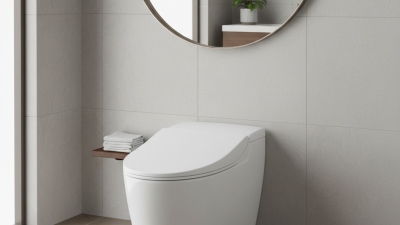
Flush automatic toilets represent a blend of technology and convenience. Their main feature is the sensor mechanism that triggers flushing without manual effort. These sensors detect the user’s presence and automatically initiate the flushing process. This helps maintain hygiene and saves water.
The flushing mechanism typically relies on infrared or ultrasonic technology. When a user approaches, sensors activate, ensuring a quick flush. The toilet can adjust the amount of water used, optimizing efficiency while preventing clogs. Some models even feature adjustable sensitivity for various user preferences. This high level of automation brings ease but may not suit everyone. Users sometimes find delay in sensor activation frustrating.
Tips: Regular cleaning of sensors is essential to maintain effectiveness. Dust accumulation can affect performance. Additionally, users should read the manual; understanding settings can improve reliability. Not everyone might enjoy the lack of physical interaction. Some prefer manual control for personal comfort. Adaptability is key in adjusting to technology.
Flush Automatic Toilet Features Comparison
The Technology Behind Flush Automatic Toilets: How They Operate
Flush automatic toilets represent a significant advancement in restroom technology. These systems utilize sensors to detect when a user leaves the seat. This automatic flushing mechanism minimizes water wastage and enhances hygiene. According to recent reports from the Water Research Foundation, installing automatic flush systems can reduce overall water use by up to 30% in public restrooms. This efficiency not only conserves resources but also lowers operational costs for facilities.
The technology behind these toilets often includes infrared sensors. These sensors are designed to identify motion and trigger the flush. However, sometimes they can misfire, especially in crowded areas. This can result in unnecessary flushes, which undermines the water-saving benefits. Additionally, regular maintenance is essential. Malfunctions can occur, leading to potential water leakage or faulty operation. A study by the American Society of Plumbing Engineers highlights that up to 20% of automatic toilets experience some form of failure, emphasizing the need for routine checks.
Research indicates that user acceptance varies. Some users appreciate the cleanliness and convenience, but others may find them less reliable than traditional systems. While the technology aims to provide a seamless experience, challenges remain. Understanding these imperfections can lead to improvements in future designs, fostering greater efficiency and trust in flush automatic toilets.
What is Flush Automatic Toilet and How Does It Work?
| Feature |
Description |
Benefits |
| Automatic Flush |
Toilet flushes automatically after use, eliminating the need for manual operation. |
Promotes hygiene and convenience. |
| Sensor Technology |
Utilizes motion sensors to detect when the user has finished. |
Ensures a timely flush while conserving water. |
| Water-Saving Features |
Designed to use minimal water for each flush. |
Contributes to environmental conservation and reduces utility bills. |
| User-Friendly Design |
Often equipped with simple controls for maintenance and adjustments. |
Easy for users of all ages to operate. |
| Maintenance Alerts |
Some models notify users when maintenance is required. |
Helps keep toilets in optimal condition, reducing repair costs. |
Benefits of Using Flush Automatic Toilets in Modern Restrooms
Flush automatic toilets offer numerous benefits that enhance modern restroom experiences. One key advantage is improved hygiene.
These toilets minimize direct contact with surfaces, reducing the risk of germs. This is especially important in public restrooms, where cleanliness is paramount.
The automatic flushing mechanism ensures that the toilet is flushed after each use, leaving it ready for the next person.
Moreover, flush automatic toilets contribute to water efficiency. Many models use sensors to adapt water usage based on the user's needs.
For instance, they may flush a smaller amount of water for liquid waste and a larger amount for solid waste. This intelligent operation not only conserves water but also helps lower utility bills.
In a world increasingly focused on sustainability, this feature appeals to environmentally conscious users.
Yet, challenges exist with these systems. Maintenance can be more complex than traditional toilets.
Sensors may malfunction, leading to improper flushing. Some users may also find the automatic features disconcerting.
Complaints about delayed flushing or unexpected activations sometimes arise. Awareness of these potential drawbacks is essential for users and facility managers.
Balancing technology with practicality is crucial for optimal restroom experiences.
Market Trends: Adoption Rates and Popularity of Automatic Toilets
The adoption rates of automatic toilets have been steadily increasing over the past few years. According to a recent industry report, the global smart toilet market is expected to grow at a compound annual growth rate (CAGR) of approximately 10% from 2023 to 2030. This surge is largely due to rising awareness of hygiene and convenience. More consumers seek solutions that promote cleanliness in their homes and public spaces.
Popularity varies among different demographics. Younger generations are more inclined to embrace smart technology. They appreciate features like heated seats, bidet functions, and automatic flushing. However, some older consumers remain hesitant, often citing complexity and price as barriers. In fact, a survey indicated that 40% of non-owners expressed concerns about the functionality of automatic toilets.
Despite advancements, there are areas that need reflection. Many automatic toilets require significant maintenance and can be costly to install. Not all households are conducive to such technology. In some cases, outdated plumbing systems may inhibit adoption. These factors occasionally overshadow the benefits, requiring manufacturers to rethink their strategies.