Why You Should Consider an Intelligent Automatic Toilet for Your Home?
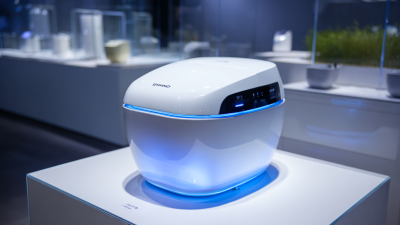
In recent years, the demand for an Intelligent Automatic Toilet has surged. This innovative home technology offers unparalleled comfort and hygiene. James Smith, a leading expert in bathroom technology, states, “An Intelligent Automatic Toilet transforms a basic necessity into an experience of luxury and convenience.”
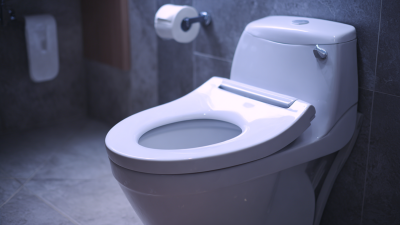
These toilets provide features like heated seats, self-cleaning functions, and bidet capabilities. Imagine stepping into your bathroom to a warm seat that cleans itself after use. The integration of smart technology can seem overwhelming but offers significant benefits. It not only promotes a cleaner environment but also enhances personal health.
However, it is essential to consider personal preferences and budget. Investing in an Intelligent Automatic Toilet can feel excessive for some. Yet, the efficiency and the experience it brings often outweigh initial hesitations. As we embrace smart home technology, should we overlook the simple comforts that make life easier?
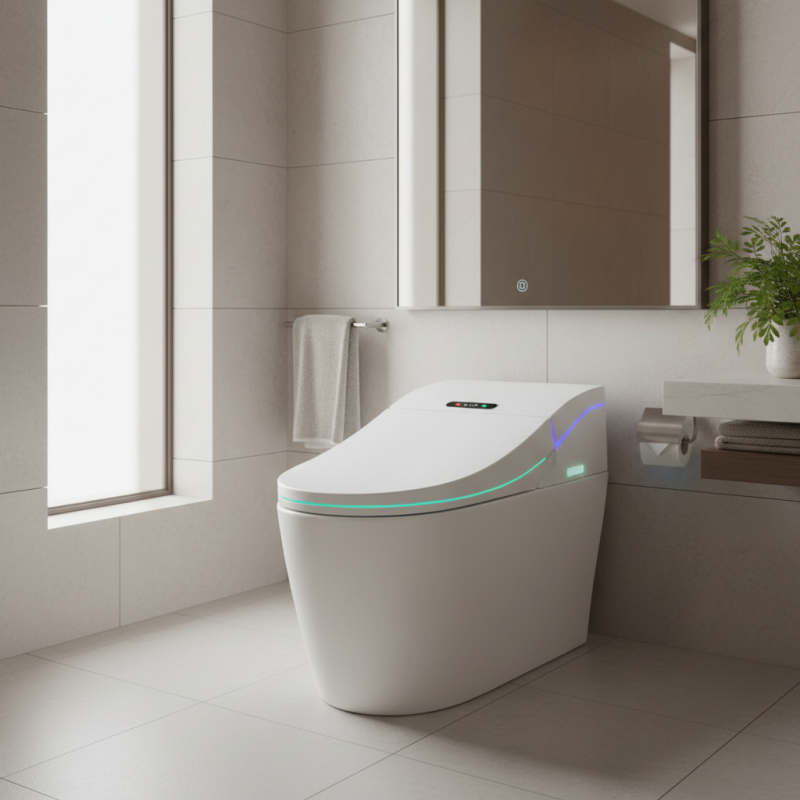
Benefits of Intelligent Automatic Toilets for Modern Homes
Intelligent automatic toilets are gaining popularity in modern homes. They offer several unique benefits that can enhance your daily routine. For instance, heated seats can provide comfort during cold mornings. Bidet functions ensure a clean experience, reducing the need for excessive toilet paper. This not only saves money but also helps the environment.
Another advantage is the self-cleaning feature. Automatic toilets can sanitize themselves, making maintenance easier. Imagine not having to scrub the toilet frequently. This can save time, allowing for more moments spent on other activities. Some models even have smart sensors. They can detect when a user is approaching, flushing automatically for enhanced hygiene.
However, there are aspects to reflect on. Installation can be complex, requiring professional help. Not every home is pre-equipped to accommodate these toilets. Additionally, some may find the technology intimidating at first. Adjusting to new features might take time. Yet, the long-term convenience and benefits they offer can outweigh these initial hurdles.
Benefits of Intelligent Automatic Toilets for Modern Homes
Key Features of Intelligent Automatic Toilets: What to Look For
When considering an intelligent automatic toilet, several key features stand out. Look for a model with heated seats for extra comfort. This feature is especially nice during chilly mornings. Additionally, a bidet function is essential. It provides a refreshing clean with minimal effort. Both these functions can enhance the overall experience.
Another important aspect is the self-cleaning mechanism. This saves time on maintenance. Self-cleaning toilets use integrated systems to minimize bacteria. It’s a cleaner option for busy homes. Also, consider water efficiency. Many intelligent toilets are designed to use less water, conserving resources while maintaining powerful flushing capabilities.
Remember to check user-friendly controls. Some models come with remote controls or touchless sensors. This adds convenience but can feel overwhelming at first. Finding a balance between technology and ease of use is crucial. It’s worth experimenting with different settings to find what feels right. The large variety of features may lead to confusion. Take time to explore what works best for your needs.
Health and Hygiene Advantages of Using Smart Toilets
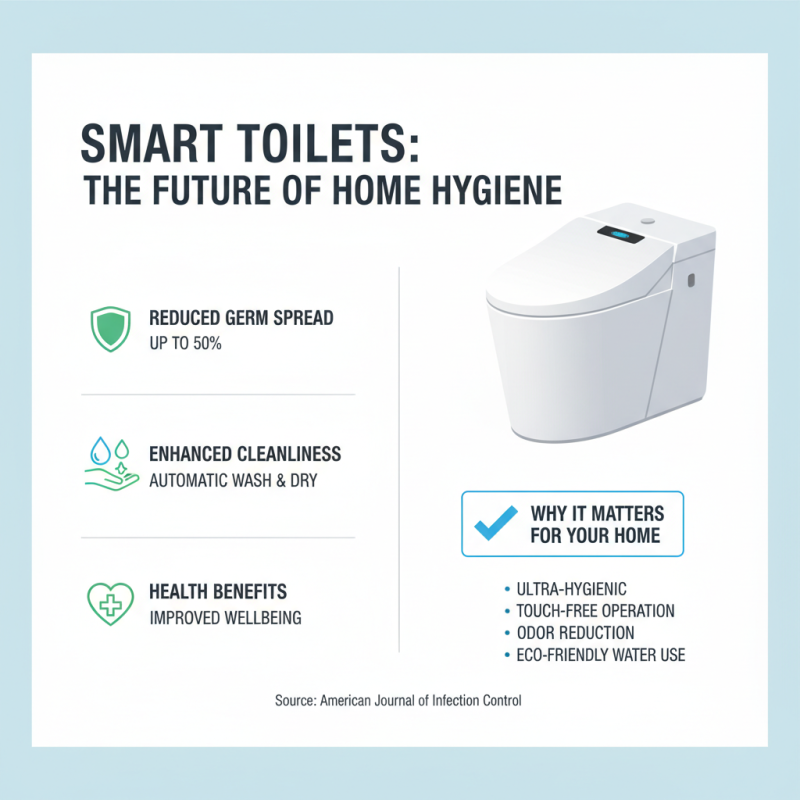
Intelligent automatic toilets are becoming more popular. They offer significant health and hygiene benefits. According to a report by the American Journal of Infection Control, using a smart toilet can reduce the spread of germs by up to 50%. This is crucial in a home where hygiene matters.
These toilets often have features like warm water cleansing, heated seats, and automatic lid opening. Such features promote cleanliness. Regular toilets may only push bacteria around. Smart toilets, however, minimize contact. They use advanced technologies to keep surfaces clean. Research shows that these toilets can also help with issues like hemorrhoids, thanks to their design.
Yet, some people remain skeptical. They worry about the maintenance and cost. Smart toilets can be expensive. There’s also the issue of electronic failures. If technology fails, it could lead to inconvenience. As with any product, assessing benefits against potential drawbacks is important.
Cost-Effectiveness: Analyzing the Long-Term Savings
Investing in an intelligent automatic toilet may seem extravagant, but the long-term savings can be significant. These toilets often come with features like self-cleaning and water efficiency. This means less time spent on maintenance and smaller water bills over time. A smart toilet typically uses less water than traditional models, which can add up to substantial savings annually.
Consider the initial cost. While it can be higher than standard toilets, the economic advantages emerge as you use it. You may save on water and cleaning supplies. Additionally, smart toilets can provide comfort and improve hygiene. Imagine a product that keeps your bathroom fresh without constant scrubbing. However, some people might hesitate, worried about health issues from automated systems or the need for intricate repairs.
It's important to weigh the benefits against potential downsides. Technology doesn’t always work flawlessly. Breakdowns could lead to expenses. Understanding the long-term picture is crucial. Savings may vary based on usage. Assessing your personal needs will help decide if it’s the right choice. The experience might just prove that the investment is more than worth it.
Installation and Maintenance Considerations for Smart Toilets
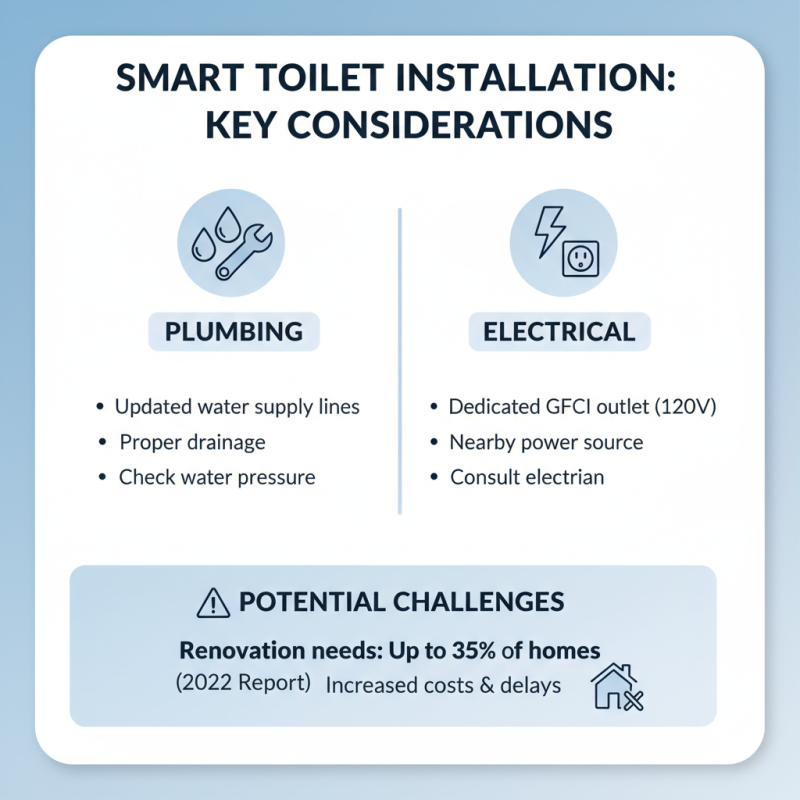
Installing an intelligent automatic toilet involves several crucial considerations. First, proper plumbing and electrical requirements must be met. Many designs require a dedicated outlet, which may not be present in older bathrooms. According to a 2022 industry report, up to 35% of households may need extensive renovations for installation. This can lead to higher costs and unexpected delays.
Maintenance is another area to keep in mind. Intelligent toilets often feature advanced cleaning systems. However, these systems can still accumulate hard water stains or mineral deposits. Regular maintenance is vital. A 2023 survey indicated that homeowners reported spending an average of $200 to $400 annually on maintenance. These expenses can add up, especially if issues arise that require professional help.
Consumers should also reflect on their long-term needs. While these toilets offer convenience, they may not suit everyone's lifestyle or budget. Balancing initial costs against potential long-term savings is essential. A recent study highlighted that over 60% of buyers faced buyer's remorse after realizing unexpected upkeep. Thoughtful planning ensures the right choice for your home.