Essential Tips for Choosing Wall Attached Toilet Models?
Choosing a wall attached toilet is not just about aesthetics; it impacts space utilization and hygiene. According to a report by the International Association of Plumbing and Mechanical Officials (IAPMO), 63% of homeowners prefer wall-mounted designs due to their cleaner, modern look and ease of maintenance. This style can create the illusion of a larger bathroom, which is ideal for tight spaces.
The right wall attached toilet enhances comfort and convenience. Industry experts emphasize the importance of selecting a model that meets both design and functionality needs. Research shows that certain designs lead to better water efficiency, which can save up to 13,000 gallons of water annually for a single household. This is crucial as water conservation becomes increasingly important.
However, not all wall attached toilets are created equal. Some models may require extensive installation work, leading to higher costs. It's vital to consider installation aspects, such as wall reinforcements. Weighing the pros and cons of different options can lead to a more informed decision. A poorly chosen model might not only affect aesthetics but can also lead to plumbing issues down the line, creating additional expenses.
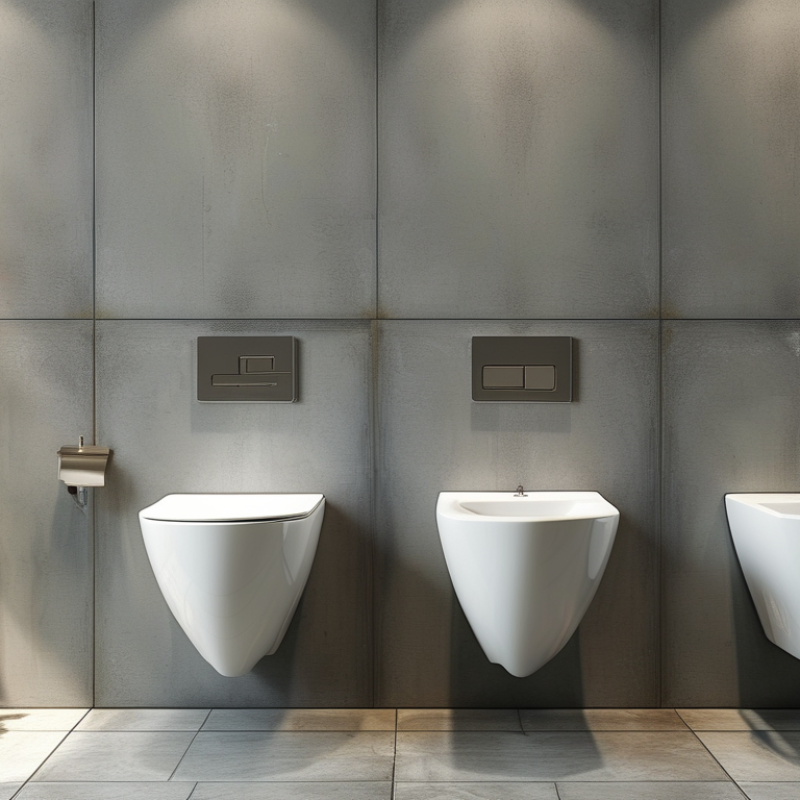
Key Considerations for Selecting Wall Attached Toilet Models
When selecting wall attached toilet models, several key considerations come into play. First, consider the installation space. Wall-mounted toilets require specific wall strength and proper plumbing. A study from the Bathroom Fixtures Institute reported that proper wall integrity is crucial. Over 30% of improper installations lead to significant issues. Ensuring a supportive wall structure is paramount.
Next, evaluate the flushing system. Dual-flush mechanisms can save water, up to 1.6 gallons per flush. According to the Environmental Protection Agency, using efficient toilets can reduce water use by 20-60%. However, not every model achieves this efficiently. Some models may struggle with waste removal. Research indicates that nearly 15% of wall-mounted toilets underperform in this area. Users should prioritize models with reliable flushing capabilities to avoid potential future issues.
Another aspect is comfort. The height of wall-mounted toilets varies significantly. Many people overlook this detail. The average height ranges from 14 to 16 inches, which may not suit everyone. A large portion of users report discomfort when the height doesn’t meet their needs. Additionally, aesthetics play a role, though functionality should be the main focus. Balancing these considerations can be challenging. It requires careful thought and research to make the right choice.
Understanding Wall-Mounted Toilets: Design and Functionality
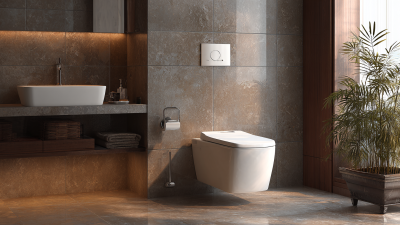
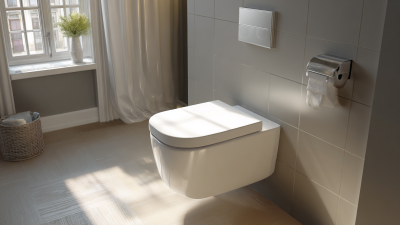
Wall-mounted toilets have become popular for their sleek design and functional benefits. These toilets are attached to the wall, allowing for more floor space. Their design promotes a modern look, making bathrooms feel roomier. However, their installation is not as straightforward as traditional models. A proper wall frame is essential for support. Without it, stability may be compromised, leading to concerns over safety.
When choosing a wall-mounted toilet, consider the height. This can affect comfort during use. Measurements should accommodate all users in the household. Many models are adjustable, offering versatility. However, not all styles are compatible with existing plumbing. An understanding of your bathroom layout is vital. Wall-mounted toilets also require more maintenance. Accessing the tank for repairs can be more challenging than with standard toilets.
In terms of functionality, wall-mounted toilets often come with dual flush systems. These are efficient, reducing water usage. But you may encounter issues with flushing power, especially in low-pressure areas. It's important to read reviews and seek expert advice. This ensures you choose a model that suits your needs while also being reliable.
Evaluating Space and Installation Requirements for Wall Toilets
When evaluating space and installation requirements for wall-hung toilets, it is vital to assess the room layout. According to the National Kitchen and Bath Association, the minimum space requirement for a toilet is 30 inches wide. This ensures enough clearance for comfortable use. Also, a distance of 15 to 18 inches from the center of the toilet to a side wall or fixture is recommended. Lack of adequate space can lead to compromised comfort and accessibility.
Installation height is another critical factor. Most wall-mounted toilets require specific wall strength and anchoring. The wall needs to support the weight of the toilet and the user. A typical wall-hung toilet supports up to 500 pounds, but this can vary. It's crucial to know if your wall structure is suitable. Overlooking these details can lead to significant issues later.
Proper plumbing is essential as well. Wall-hung toilets often require a separate plumbing carrier. This can complicate installation. Plumbing codes vary by region, requiring compliance. Ensuring your installation team has expertise is non-negotiable. This can minimize renovation headaches and costly rework, reflecting the importance of good planning.
Analyzing Hygienic Features and Maintenance of Wall Toilets
When selecting wall attached toilet models, hygiene plays a pivotal role. These toilets typically feature a rimless design, which can reduce the buildup of bacteria. A study by the Hygiene Institute found that rimless toilets had 30% less bacterial growth than traditional models. This is essential for maintaining a clean bathroom environment.
Maintenance is another critical factor. Wall-mounted toilets are easier to clean due to their elevated design. They eliminate the tight spots where grime often accumulates. However, access to the internal components for repairs or cleaning can be challenging. Consider your comfort with regular maintenance when making a choice.
Moreover, the flushing mechanism is vital for hygiene. A powerful flush not only removes waste effectively but also cleans the bowl better, leading to fewer residues. Research from plumbing experts suggests that toilets with dual flush systems can save up to 50% more water, promoting environmental sustainability. The balance between hygiene and maintenance should guide your selection process.
Essential Tips for Choosing Wall Attached Toilet Models
| Feature |
Description |
Hygienic Advantages |
Maintenance Tips |
| Height Adjustable |
Can be customized to different heights for user convenience. |
Reduces strain on knees and back, promoting comfort. |
Regularly clean the adjustment mechanism to ensure smooth operation. |
| Soft Flush Technology |
Utilizes less water without compromising performance. |
Eco-friendly; decreases water usage. |
Check the flushing system regularly for blockages. |
| Concealed Pipes |
Pipes hidden behind the wall for a sleek look. |
Reduces the accumulation of dirt and bacteria. |
Ensure access points are accessible for maintenance. |
| Wall-Mounted Design |
Attached to the wall, saving floor space. |
Easier to clean underneath and around the toilet. |
Use soft cloths and non-abrasive cleaners to maintain the finish. |
| Antimicrobial Surface |
Coating that inhibits bacterial growth. |
Promotes a healthier bathroom environment. |
Clean with mild soap to preserve antimicrobial properties. |
Comparative Analysis of Costs and Durability in Wall Toilet Options
When evaluating wall-mounted toilet models, cost and durability are critical factors. According to a recent industry report, wall toilets typically cost between $500 to $1,500. The price depends on the design, installation complexity, and brand reputation. Low-end options can be less durable, often made from lower-grade materials. This can lead to increased maintenance costs over time.
Durability is a multi-faceted consideration. Many wall toilets are designed to last, with ceramic options lasting over 10 years with proper care. However, some models have issues with flush mechanisms that fail earlier than expected. Reports indicate that homeowners should expect to replace parts every 2-5 years if not properly maintained. This introduces an ongoing expense, which may not be immediately apparent in the initial purchase price.
Installation also impacts durability. Improper installation can stress the toilet, leading to cracks and leaks. A quality installation can double the lifespan of a wall toilet, making professional help essential. Be wary of using inexperienced contractors; a bad installation can be the difference between a long-lasting toilet and an early replacement. Understanding these nuances can guide homeowners in making a more informed decision.