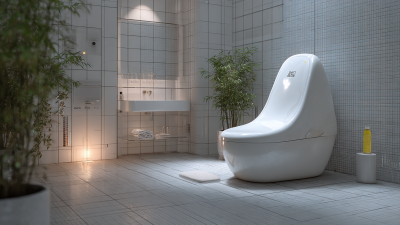
What Is a Toilet One Piece Seat and How Does It Work?
A Toilet One Piece Seat is designed for a one-piece toilet, where the tank and bowl form one continuous unit. It is not simply a smaller version of a standard toilet seat. Its hinge position, fixing system, shape, and weight capacity must match the toilet’s ceramic design. Understanding these details helps homeowners choose a safer and more comfortable replacement.
This guide explains what a Toilet One Piece Seat is and how it works during everyday use. The seat usually includes a molded surface, hinges, mounting bolts, and sometimes soft-close dampers. When someone sits down, the hinges distribute movement through the mounting points. Soft-close models reduce sudden impact, noise, and stress on the ceramic bowl. Small differences matter. A seat that looks suitable may still have the wrong bolt spacing or curve.
The discussion also covers common materials, cleaning methods, installation steps, and compatibility checks. Durable plastic is lightweight and easy to maintain, while resin or reinforced materials can feel more substantial. However, stronger does not always mean better. Poor installation can cause shifting, cracked fittings, or uncomfortable pressure points. Measuring the bowl length, width, and hinge spacing is more reliable than guessing from photographs. Manufacturer specifications should remain the final reference, especially for unusual toilet shapes. This approach reflects practical fitting experience, product knowledge, and responsible bathroom maintenance. It also leaves room for reflection: convenience features are useful, but they cannot correct a mismatched design.
Definition and Main Features of a One-Piece Toilet Seat
What Is a Toilet One Piece Seat and How Does It Work?
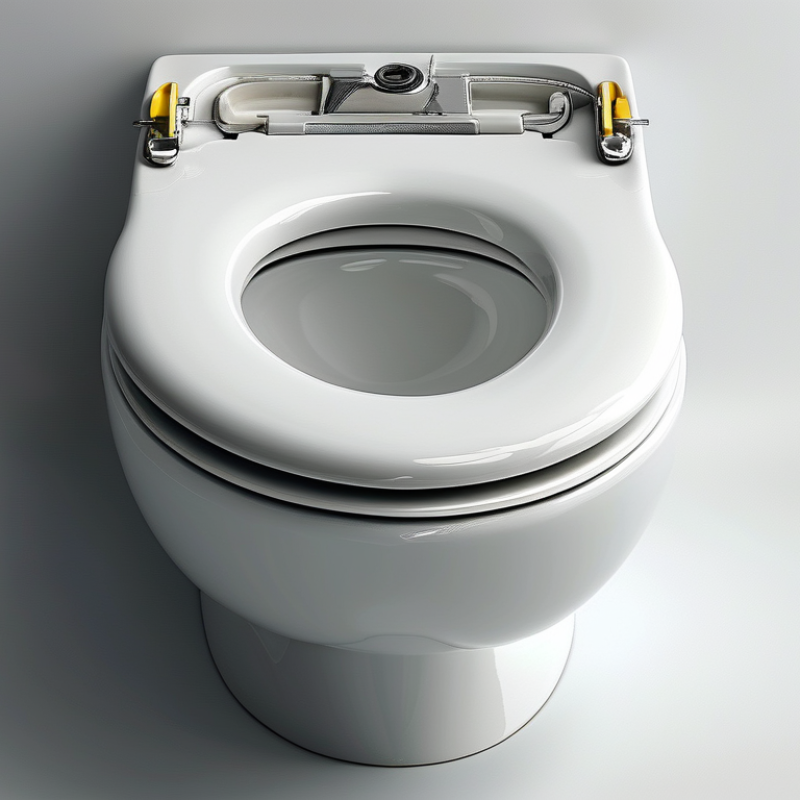
A one-piece toilet seat is a coordinated seat and lid assembly designed to fit a toilet bowl as one unit. The seat supports the user, while the lid covers the bowl when the toilet is not in use. Hinges connect both parts at the rear, allowing them to lift and close smoothly. Some models use a molded design, while others simply package the seat and lid together.
The term is not perfectly standardized. In some product descriptions, it may describe a seat with an integrated lid, not a complete one-piece toilet. Checking the fitting instructions matters. A reliable seat should match the bowl’s length, width, and mounting-hole distance. It may include adjustable hinges, soft-close movement, or a quick-release mechanism for easier cleaning. These features are useful in daily use, especially around the hinge area where dust and moisture collect.
Installation usually requires tightening two mounting bolts beneath the bowl. Do not overtighten them. Excess pressure can damage ceramic surfaces or distort plastic fittings. A durable seat often uses reinforced plastic, resin, or another moisture-resistant material. However, material quality alone does not guarantee comfort or stability. I have found that accurate measurements and firm alignment matter just as much. A seat can look well made yet shift slightly if the hinges are poorly adjusted. Regularly checking the fixings helps maintain a steady fit.
Key Components and How They Connect to the Toilet
A toilet one-piece seat is a seat and lid designed as one coordinated assembly.
Unlike separate replacement parts, its hinges, buffers, and fastening points are engineered to work together. The seat ring supports body weight, while small rubber buffers prevent direct contact with the ceramic bowl. The lid covers the opening and may include a controlled-closing mechanism.
The main connection begins at the hinge base.
Two mounting posts align with the toilet’s pre-drilled holes. Depending on the bowl design, bolts pass through the ceramic and tighten beneath the bowl, or special top-fixing anchors expand inside the holes. Washers spread pressure and reduce stress on the porcelain. Tighten them evenly. Too much force can crack the ceramic.
The hinge joins the seat and lid, allowing both parts to pivot smoothly. Some hinges contain dampers, which slow the lid during closing. Others use simple friction. I have found that alignment matters more than people expect; a slightly crooked seat can shift during use. Measure the hole spacing, bowl length, and hinge position before installation. Clean, dry mounting surfaces also improve stability.
The design is not foolproof.
Plastic anchors can loosen, and dampers may wear over time. Check the fasteners occasionally, especially when the seat moves sideways. A small adjustment often restores a secure fit.
How a One-Piece Toilet Seat Operates During Use
A one-piece toilet has its tank and bowl formed as one continuous ceramic unit. Its seat is usually a separate component attached with two hinge bolts. The “one-piece” description often causes confusion. It does not always mean the seat itself is molded into the toilet. A correctly fitted seat rests on small rubber or plastic bumpers, which spread body weight across the rim and prevent direct ceramic contact.
During use, the seat carries the user’s weight through these bumpers. The hinges keep it aligned while allowing controlled lifting and lowering. Some seats include a slow-close mechanism. Small dampers inside the hinges resist sudden movement, so the lid descends gradually instead of striking the bowl. This feature depends on clean, properly tightened hinges. It may weaken over time.
A practical inspection checks for side movement, cracked bumpers, and uneven spacing around the bowl. The seat should feel stable without excessive force. Loose hardware can make the seat shift, even when the ceramic toilet remains perfectly secure. Moisture and cleaning chemicals may also affect rubber parts. Not every seat closes quietly. That is normal when no damping mechanism is installed.
One detail is easy to overlook. The seat should match the bowl’s shape and bolt spacing. An incorrect fit can create pressure points, rocking, or uncomfortable contact during use. Re-tightening may help, but overtightening can damage the ceramic mounting area. A careful, gradual adjustment is safer.
What Is a Toilet One-Piece Seat and How Does It Work?
A one-piece toilet seat is attached directly to the ceramic toilet bowl with hinges. During normal use, the seat rotates around its hinge axis between a closed position and a raised position. When a user sits down, the seat transfers the load through the hinge mounts to the bowl.
The chart shows the typical seat position through common use stages. A closed seat is represented as 0°, while a raised seat is commonly positioned near 90° for standing or cleaning access. The exact angle can vary by hinge design and toilet configuration.
Benefits, Limitations, and Selection Considerations
A toilet one-piece seat is designed as a single, coordinated seat and lid assembly. It attaches to the bowl through hinges, bolts, and small stabilizing bumpers. When lifted, the seat supports body weight and distributes pressure across the rim. When closed, the lid helps reduce splashes and protects the bowl surface. Some models include soft-close hinges or quick-release fittings for easier cleaning.
The main benefit is a cleaner appearance with fewer visible gaps. A well-fitted seat can also feel stable, resist shifting, and simplify routine maintenance. However, one-piece designs are not automatically more hygienic. Dirt can still collect around hinges and bolt covers. Replacement parts may also be less interchangeable than standard components. Plastic may feel warm and quiet, while harder materials can offer better scratch resistance but feel less forgiving. Selection should include bowl shape, bolt-hole spacing, seat length, weight capacity, and hinge access.
Tips: Measure before buying. Check the bowl from the bolt holes to the front edge. Test whether the hinges can be reached with a cloth. Follow the fitting instructions carefully, because overtightening may crack the bowl or distort the seat. A small movement after installation is a warning, not a minor detail. Consider the user’s comfort, cleaning habits, and bathroom moisture. I would not choose appearance alone; that mistake is easy to make.