Top 10 Benefits of Bathroom Bidets You Need to Know?
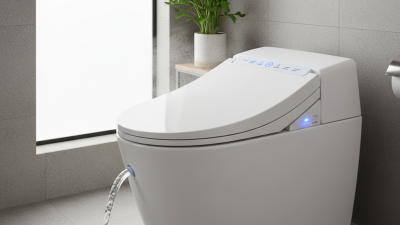
The bathroom bidet has gained popularity, transforming the way we think about personal hygiene. According to a 2021 report by the American Cleaning Institute, 69% of people prioritize cleanliness in their bathrooms. This statistic highlights a growing awareness of the importance of hygiene, which the bidet addresses effectively.
Not only does a bathroom bidet offer a more thorough clean compared to traditional toilet paper, but it also promotes sustainability. The average household can save up to 384 rolls of toilet paper annually by switching to a bidet, according to a study by Green America. With environmental concerns on the rise, many consumers seek eco-friendly alternatives.
Despite the benefits, some people may hesitate to make the switch. Common concerns include comfort and unfamiliarity. Understanding these concerns is vital. As consumers explore the advantages of bathroom bidets, they must weigh personal preferences against the many benefits these fixtures offer. Ultimately, a bathroom bidet can redefine hygiene and sustainability in our daily lives.
Advantages of Bidets for Personal Hygiene Improvement
Bidets offer significant advantages for personal hygiene improvement. They ensure a cleaner and more refreshing experience after using the bathroom. Traditional toilet paper can leave residues. In contrast, bidets provide a gentle stream of water, which effectively cleanses. This method enhances cleanliness, reducing the chances of irritation or infections.
Using a bidet can lead to better skin health. It minimizes contact with harsh toilet paper, which can irritate sensitive areas. Many individuals report less discomfort and reduced instances of rashes. Furthermore, incorporating a bidet into daily routine can foster a more mindful approach to personal hygiene. It invites users to take a moment for themselves, focusing on their well-being.
However, not everyone finds bidets comfortable initially. Some may feel hesitant or uncertain about using them. Embracing this new habit requires time and patience. Individual preferences play a significant role in adoption. Despite any initial discomfort, many users ultimately benefit from the improved hygiene and comfort a bidet can provide.
Top 10 Benefits of Bathroom Bidets You Need to Know
This bar chart illustrates the top benefits of using bidets for personal hygiene improvement based on survey data.
Environmental Benefits of Using Bidets in Modern Bathrooms
Bidets offer significant environmental benefits in modern bathrooms. They reduce the need for toilet paper, which requires vast amounts of water and trees for production. A single roll of toilet paper can use up to 37 gallons of water. By using a bidet, households can dramatically cut their toilet paper consumption. This not only preserves forests but also lowers water usage in the papermaking process.
Another important aspect is waste reduction. Traditional toilet paper contributes to landfill waste. Bidets can minimize this issue, leading to less environmental pollution. Studies show that the average person uses over 100 rolls of toilet paper yearly. Switching to bidets can result in substantial waste savings. This simple change promotes sustainability and supports a healthier planet.
Tips: Consider looking for models that have energy-saving features. Select a bidet that meets your family's needs. Reflect on what a small change in your bathroom routine can do for our environment. Each little effort counts toward a greener future. You can make a difference today by choosing a more eco-friendly option.
Cost Savings and Health Benefits Associated with Bidets
Bidets offer significant cost savings and health benefits. By reducing toilet paper usage, families can cut down their monthly expenses. A bidet can decrease the need for purchasing bulk toilet paper. This small investment can lead to long-term financial gains. It’s worth noting that initial costs may be higher compared to conventional toilets. Yet, over time, the savings can outweigh the initial expense.
Health benefits are another compelling reason to consider bidets. They promote better hygiene, reducing the risk of infections. Patients with conditions like hemorrhoids often find relief through gentle cleansing. Also, bidets can be more comfortable for people with mobility issues. Some might find the adjustment challenging at first. However, many discover it enhances their bathroom experience eventually.
Not every bidet model suits everyone's needs. It’s essential to research and choose wisely. This may involve trials and adjustments. Individual preferences can vary widely. Some users prefer warm water, while others like the refreshing coolness. Experimenting can lead to finding the perfect settings for personal comfort. With time, users often appreciate the unique balance of cost and health benefits a bidet can provide.
Enhancing Comfort and Accessibility with Bidet Features
Bidets have gained traction for their comfort and accessibility. Research by the Journal of Environmental Health indicates a significant reduction in toilet paper usage, promoting both hygiene and sustainability. Bidets can provide relief for those with mobility challenges. Their adjustable features and user-friendly controls cater to various needs.
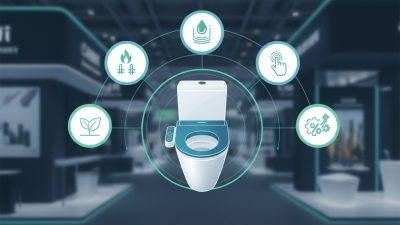
When choosing a bidet, look for models with customizable settings. For instance, a heated seat and adjustable water temperature enhance user comfort. You might find a bidet with a remote control intuitive, especially for individuals with limited mobility.
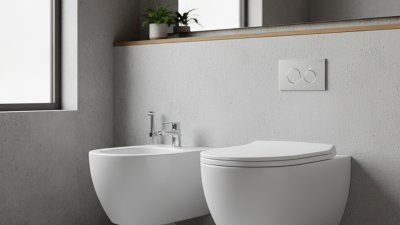
Consider installation options. Wall-mounted bidets can save space while ensuring easy access. However, some users may find them difficult to adjust or control. It’s essential to assess your bathroom layout. An ill-fitted bidet can lead to frustration. Always test the settings to find what works best for you.
Top 10 Benefits of Bathroom Bidets You Need to Know
| Benefit |
Description |
| Improved Hygiene |
Bidets provide a more thorough cleaning method compared to toilet paper, reducing the risk of infections. |
| Environmental Benefits |
Fewer trees are cut down for toilet paper production, and less water is used in its manufacturing. |
| Cost Savings |
Reduced reliance on toilet paper can lead to significant savings over time. |
| Better for Sensitive Skin |
Bidets are gentler on the skin, making them ideal for individuals with sensitive skin or conditions like hemorrhoids. |
| Enhanced Comfort |
Warm water can provide soothing comfort, especially for those with mobility issues. |
| Accessibility |
Bidets can be easier for individuals with disabilities or limited mobility to use without assistance. |
| Customizable Features |
Many bidets offer adjustable water pressure, temperature, and nozzle position, allowing for a personalized experience. |
| Reduces Odors |
Bidets can help reduce odors by providing a cleaner feeling, as water eliminates residues better than toilet paper. |
| Promotes Wellness |
Using a bidet can enhance personal hygiene routines, contributing to overall health and wellness. |
Comparative Analysis: Bidets vs. Traditional Toilet Paper Use
Bidets offer a significant advantage over traditional toilet paper. They provide a more thorough cleaning experience, reducing the risk of irritation. Many users find that using water leads to a fresher and more hygienic feeling. This is particularly beneficial for people with sensitive skin or conditions such as hemorrhoids. Additionally, bidets can be adjustable, allowing users to customize water pressure and temperature for comfort.
On the other hand, traditional toilet paper leads to environmental concerns. The production of toilet paper contributes to deforestation and excessive water usage. A switch to bidets can cut down on the use of paper, reducing waste. However, some people may find the initial cost of installing a bidet a bit high. There can be a learning curve in getting used to a new cleaning method. It's essential to consider these factors when deciding between bidets and toilet paper. Each option has its pros and cons, demanding a personal reflection on hygiene practices.