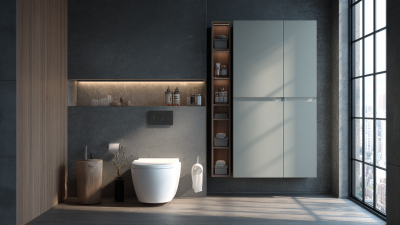
2026 Top Toilet Toilet Bowl Designs You Need to Know?
In the world of interior design, the importance of the Toilet Toilet Bowl cannot be overstated. Renowned industry expert, Dr. Linda R. White, once said, "The right design can transform even a simple bathroom into a sanctuary." As we approach 2026, the latest trends in toilet bowl design promise innovation and style.
The designs emerging this year not only emphasize aesthetics. They also focus on functionality and sustainability. For instance, consider the new ultra-flush models that save water and enhance cleanliness. However, this evolution raises questions about consumer preferences and environmental impacts. Are we prioritizing style over substance?
Each design showcases unique features that cater to diverse tastes. From minimalist styles to bold, artistic looks, the choices are abundant. Yet, it’s crucial to think critically about these selections. Is it really the best fit for your space? A well-designed Toilet Toilet Bowl should harmonize with the overall bathroom theme while ensuring efficiency. Embracing this balance is vital as we move forward in design.
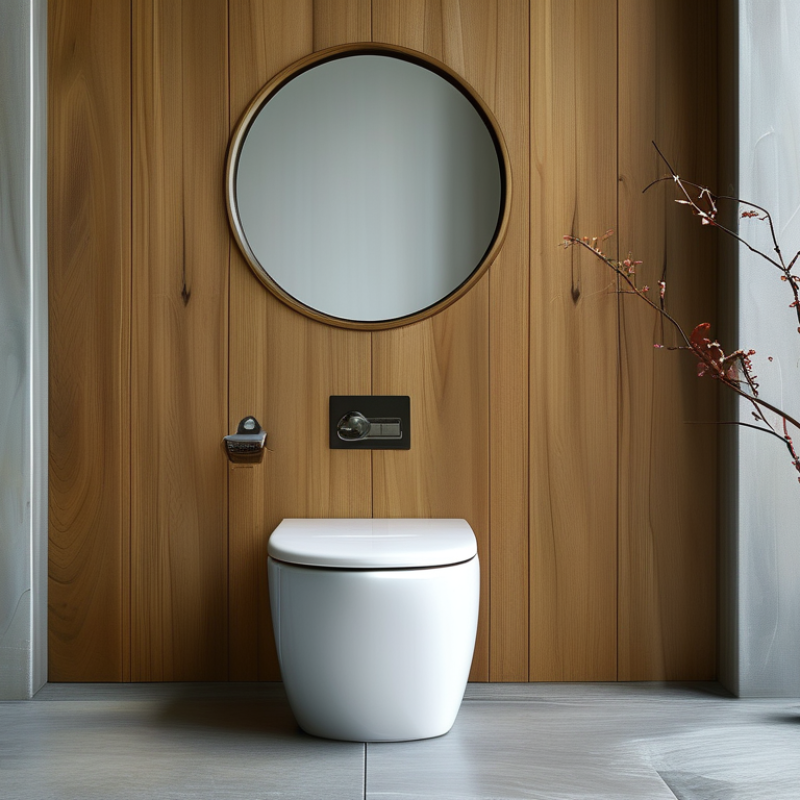
2026 Trends in Toilet Bowl Design: An Overview
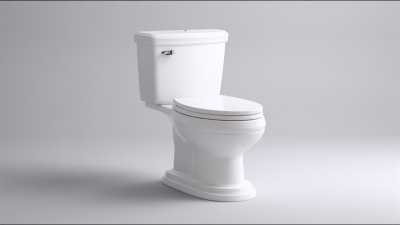
In 2026, toilet bowl design trends reflect a blend of functionality and aesthetic appeal. Modern homeowners seek unique designs that enhance their bathrooms. Sleek shapes with minimalist lines are becoming popular. Dual-flush systems are favored for their water conservation benefits. These innovations prioritize efficiency without sacrificing style.
Color is also playing a significant role in 2026. While white remains classic, bold colors like deep blue and matte black are gaining traction. These statement pieces can transform an ordinary bathroom into a chic oasis. Additionally, textures such as matte finishes are trending, adding depth and interest to porcelain surfaces.
However, not every trend resonates universally. Some homeowners may find bold colors overwhelming. Others might prefer traditional styles that provide familiarity. As with any design element, personal choice matters greatly. It's essential to reflect on what aligns with your home's overall vibe. Balancing trendiness with personal taste ensures satisfaction in your space.
Innovative Materials and Finishes for Modern Toilet Bowls
Innovative materials and finishes are reshaping modern toilet bowl designs. Recent studies reveal that over 60% of homeowners prioritize sustainability in their bathroom choices. Ceramic remains a popular option, but new materials like composites and recycled plastics are emerging. These materials offer lightweight benefits and increased durability, meeting modern needs.
The finish of a toilet bowl influences both aesthetics and hygiene. Matte finishes are gaining traction, appealing to minimalist design sensibilities. They can hide water spots better than glossy options. However, some users report that matte surfaces may require more maintenance. It’s a trade-off that many consumers need to consider carefully.
Environmental factors also play a significant role. According to the Environmental Protection Agency, toilets account for nearly 30% of residential water use. To address this, manufacturers are developing bowls with low-flow capabilities. These innovative designs maintain comfort while reducing water consumption. As we explore new designs, we must reflect on balancing style and functionality with responsible resource use.
2026 Top Toilet Bowl Designs You Need to Know
| Design Name |
Material |
Finish |
Features |
Eco-Friendly Rating |
| Modern Minimalist |
Ceramic |
Glossy White |
Soft-close seat, water-saving |
5/5 |
| Sleek Contemporary |
Stainless Steel |
Brushed Finish |
Touchless flush, automatic cleaning |
4/5 |
| Luxury Designer |
Porcelain |
Matte Black |
Heated seat, bidet feature |
3/5 |
| Smart Toilet |
Ceramic with tech components |
High-gloss White |
Remote control, advanced sensors |
5/5 |
| Rustic Charm |
Vintage Ceramic |
Antique Finish |
Decorative design, water-efficient |
4/5 |
Eco-Friendly Toilet Bowl Designs for Sustainability
Sustainable toilet bowl designs are essential in today's eco-conscious world. Recent reports indicate that nearly 30% of household water usage comes from toilets. That's a staggering amount. Eco-friendly designs can significantly reduce this waste.
Low-flow toilets are a prominent example. These models use about 1.6 gallons per flush, compared to older models that waste up to 7 gallons. A shift towards these toilets can save an average family nearly 22,000 gallons of water annually. However, while these innovations are beneficial, not every model performs efficiently. Some low-flow toilets may require multiple flushes, which counteracts their purpose.
Beyond water efficiency, materials matter too. Toilets made from recycled materials are gaining traction. Studies show that using recycled ceramic in bowl construction can reduce carbon footprints by 20%. Still, there is a challenge. These sustainable materials can sometimes lack the durability of traditional ones. Homeowners must consider longevity when choosing eco-friendly options. The balance between sustainability and functionality remains an important discussion in design choices today.
Smart Technology Features in Contemporary Toilet Bowls
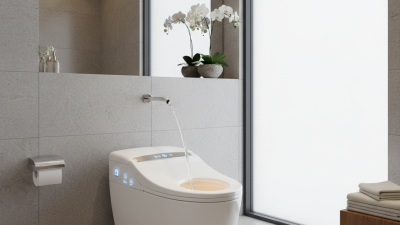
The modern toilet bowl has transformed significantly, embracing smart technology that enhances convenience and hygiene. Current statistics reveal that around 70% of homeowners are considering smart toilets, spurred by enhanced features. These features include heated seats, self-cleaning capabilities, and built-in bidets that offer improved sanitation. A recent report highlights that smart toilets can reduce water usage by up to 40%, aligning with eco-friendly initiatives.
Smart toilets often incorporate sensors, detecting user presence for automatic lid opening or flushing. This technology streamlines the experience, making it more user-friendly. Voice-activated commands are increasingly common, allowing users to personalize their settings effortlessly. Additionally, many smart toilets now offer connectivity options, enabling remote control via smartphone applications.
Tip: Always check user reviews before upgrading to a smart toilet. Assess your bathroom's plumbing to ensure compatibility. Smart technology can sometimes come with unexpected challenges, like software updates or connectivity issues. Consider the balance between modern features and traditional comfort when choosing a design that fits your needs.
Aesthetic Styles: From Minimalist to Decorative Toilet Bowl Designs
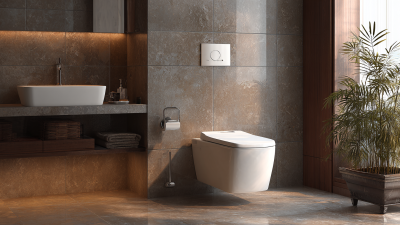
Toilet bowl design is more than just functionality; it’s about aesthetics too. Minimalist styles have gained popularity in recent years. These designs often feature clean lines and simple shapes. A white or soft pastel finish can elevate any bathroom. They create a serene atmosphere, allowing other elements to shine.
On the opposite end, decorative toilet bowl designs offer bold statements. These can include intricate patterns or vibrant colors. They draw the eye and can complement other decorative elements in the space. However, choosing something too bold can backfire. It might clash with your overall bathroom theme. One must consider balance while incorporating these designs. Functionality should never be compromised for style.
Reflecting on these options reveals a challenge. Aesthetic appeal can lead to confusion in choice. Are you drawn to the simplicity of minimalism or the expressiveness of decor? Each brings its own set of considerations. A balance between utility and design will enhance your space, yet it requires careful thought. Choose wisely, as your decision impacts the look and feel of your bathroom for years to come.
2026 Top Toilet Bowl Designs: Aesthetic Styles Overview