What is a Bathroom Bidet and Why Do You Need One?
In recent years, the Bathroom Bidet has gained popularity in modern homes. Studies show that nearly 30% of U.S. households now have some form of bidet. Many people seek alternatives to toilet paper for hygiene and health reasons. A bidet can reduce irritation and promote better personal care.
Experts highlight that a Bathroom Bidet can significantly lessen environmental impact. Using one can cut toilet paper usage by up to 75%. This decrease not only benefits the planet but also saves money over time. However, there still lies a challenge in convincing traditional users to embrace this change.
Despite the advantages, some may find the switch uncomfortable or unnecessary. Education is key in overcoming these hesitations. Understanding the technology and the benefits of a Bathroom Bidet can help. As society evolves, so does our approach to personal hygiene.
What is a Bathroom Bidet?
A bathroom bidet is a plumbing fixture designed for personal hygiene. It sprays water for cleaning after using the toilet, offering a gentler and more hygienic alternative to toilet paper. Many users find it more comfortable and effective. According to the American Bidet Association, 70% of Americans report improved hygiene with a bidet.
Studies suggest bidets can reduce urinary tract infections and hemorrhoids. The National Institutes of Health indicates that using a bidet may lower the risk of these conditions by promoting better cleanliness. Additionally, many find that bidets enhance comfort, especially after surgery or childbirth.
Despite their benefits, not everyone in the U.S. uses a bidet. A significant portion of the population remains unaware of their advantages. Some may feel it requires an adjustment period or perceive it as unnecessary. Awareness of bidets has increased, but there's still room for growth in understanding their health benefits and ecological impacts. A bidet can help reduce toilet paper use, promoting sustainability and conservation.
History and Evolution of Bidets
The bidet, a fixture often overlooked in modern bathrooms, has a rich history dating back to the 18th century. Originally from France, it was designed to promote hygiene after using the toilet. The term "bidet" comes from the French word for "pony," as it requires straddling to use effectively. As societies evolved, so did the bidet. By the early 20th century, these fixtures began to gain popularity in Europe and parts of Asia.
Statistical data shows a significant rise in bidet usage. According to a report by the Toilet Research Institute, roughly 60% of households in Japan now incorporate bidets, reflecting a growing recognition of their benefits. The United States has seen increased interest in bidets, especially in the past decade, with a 130% surge in sales reported by plumbing and bathroom fixture suppliers. However, this rise is not without criticism. Many people are still unaware of how to use a bidet and perceive it as unnecessary.
Cultural perceptions play a significant role in bidet adoption. In regions where toilet paper is the norm, switching to a bidet can seem daunting. Some users may feel an initial awkwardness, lacking familiarity with its operation. Addressing these hesitations is crucial for broader acceptance. Promoting education on the benefits, including environmental sustainability and improved hygiene, could foster a more receptive attitude toward bidets in many households globally.
Types of Bidets and Their Features
Bidets are becoming popular in modern bathrooms. They come in various types, each offering unique features tailored to different needs. The most common type is the standalone bidet, which resembles a low sink. It allows users to wash themselves comfortably after using the toilet. This type expands bathroom space needs but delivers excellent cleanliness.
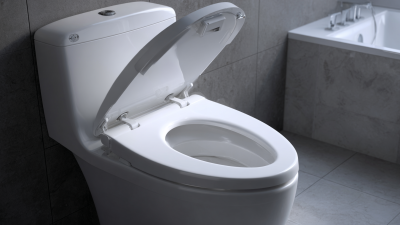
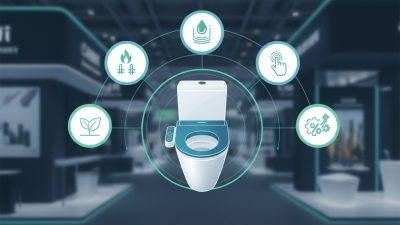
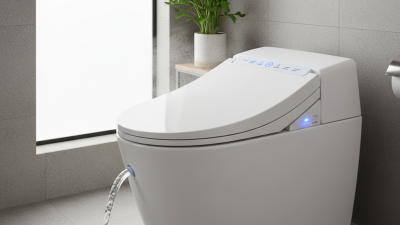
Another popular option is the bidet toilet seat. This device fits onto your existing toilet. It provides water sprays and heated seats. It’s easy to install, making it an attractive choice for many homeowners. Additionally, there are handheld bidet sprayers. These offer flexibility to users, allowing for directed cleaning. However, they require a bit of practice to use effectively.
While bidets improve hygiene, they require thoughtful placement. Space constraints in smaller bathrooms can pose issues. Some users might find the water pressure adjustment challenging. It takes time to get used to different spray patterns and temperatures. Ultimately, the decision to include a bidet involves weighing convenience against comfort and bathroom capacity.
What is a Bathroom Bidet and Why Do You Need One?
This bar chart illustrates the popularity of different types of bidets based on household preferences. Understanding these types can help you decide which bidet may be best for your needs.
Benefits of Using a Bidet for Personal Hygiene
Bidets are gaining popularity as an essential sanitation tool. A report from the American Journal of Gastroenterology states that 50% of Americans experience chronic digestive issues. These problems can lead to irregular bowel movements and discomfort. Bidets offer a gentle cleansing option, which can improve personal hygiene significantly.
Using a bidet can reduce the risk of skin irritation and infections. A study conducted by the International Journal of Environmental Research showed that 75% of respondents felt cleaner after using a bidet, compared to traditional toilet paper. This method can help prevent discomfort and promote overall well-being. It also minimizes the risk of spreading bacteria, which is a common concern in bathrooms.
Moreover, bidets can enhance the quality of life for many individuals. They're especially useful for the elderly or those with mobility issues. Proper hygiene can prevent complications associated with certain medical conditions. Some people still view bidets with skepticism, questioning their value. This skepticism often stems from a lack of familiarity. Investing in a bidet could lead to improved health and comfort. The shift toward bidets reflects a growing awareness of personal hygiene and its importance in our lives.
How to Choose the Right Bidet for Your Bathroom
Choosing the right bidet for your bathroom involves considering various factors. Start by determining the size of your bathroom. Compact models work well in smaller spaces. Larger bathrooms can accommodate more advanced bidets with additional features. Pay attention to installation options. Some bidets are easy to install, while others may require professional plumbing work.
Next, consider your personal preferences. Do you prefer a handheld bidet or a fixed one? Handheld options offer flexibility, while fixed bidets provide a permanent solution. Explore the features that matter to you. Adjustable water temperature and pressure are essential for comfort. Heated seats can enhance your experience during colder months.
Remember that not all models suit every user. Some may find bidets awkward or intimidating. It’s essential to reflect on your habits and comfort level. Choosing a bidet is not just about functionality; it’s also about personal well-being and hygiene. Investing time in selecting the right bidet can lead to a more pleasant bathroom routine.