What Are the Benefits of a Self Washing Toilet in 2026?
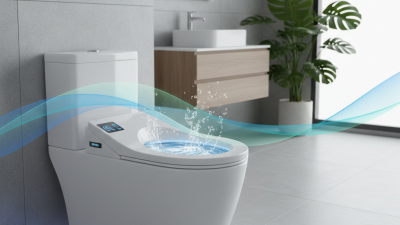
In 2026, the self washing toilet is revolutionizing hygiene and convenience in bathrooms worldwide. This technology combines modern design with advanced sanitation. According to a recent industry report by the Hygiene Technology Association, the self washing toilet market is projected to grow by 25% annually. More homeowners are investing in these toilets for their ability to enhance cleanliness.
The self washing toilet features a built-in cleaning system, reducing the need for harsh chemicals. They also use significantly less water compared to traditional models; studies show a 30% reduction in consumption. However, there remain concerns about maintenance costs and technology reliability. Some users report issues with the cleaning cycles breaking down.
Ultimately, the self washing toilet is not just about luxury; it addresses essential hygiene needs. With increasing urbanization, these toilets can lead to better public health outcomes. As society becomes more health-conscious, embracing self washing toilets could be a critical step toward improved sanitation practices.
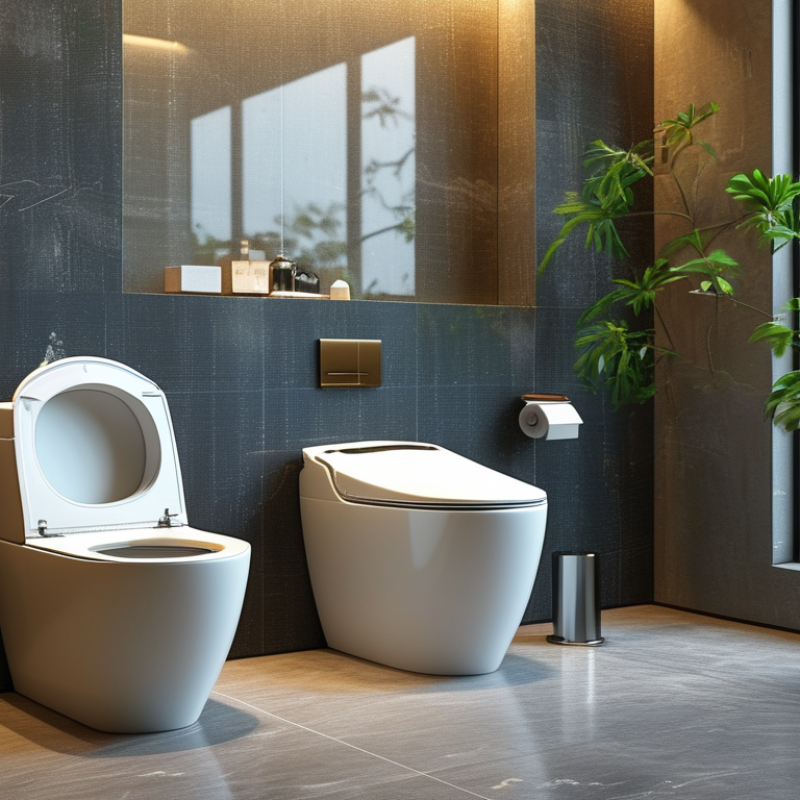
Benefits of Self-Washing Toilets for Hygiene and Health in 2026
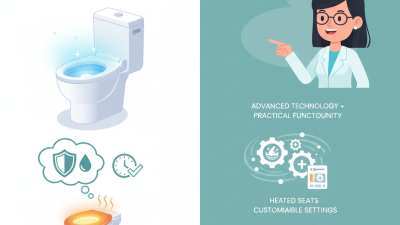
Self-washing toilets represent a significant advancement in hygiene technology. By using built-in cleaning systems, these toilets minimize the need for manual cleaning. This innovation is especially beneficial for maintaining health standards in homes and public restrooms. Regular self-cleaning reduces the accumulation of bacteria.
Research indicates that sanitation can improve overall well-being. Self-washing toilets utilize UV light and high-pressure jets to clean surfaces efficiently. These features ensure that harmful germs are eradicated promptly. As a result, users experience less risk of infections.
Tip: Consider adjusting the cleaning frequency based on usage patterns. Frequent use may require more regular cleaning cycles.
While self-washing toilets offer convenience, they can be expensive to install. Building a budget for maintenance and repairs is essential. It’s also important to choose a model that meets your specific needs. Always evaluate the reliability of the technology used in these systems.
Tip: Look for user reviews and expert recommendations before making a purchase decision. Understanding real-world performance can guide you toward the best option.
Advancements in Self-Cleaning Technology for Toilets in 2026
In 2026, self-cleaning toilets have revolutionized the bathroom experience. The advancements in technology allow these toilets to automatically clean themselves using advanced sensors and smart algorithms. Users can enjoy a consistently clean and hygienic toilet with minimal effort. This not only enhances convenience but also promotes better sanitation in households.
The integration of ultraviolet (UV) light and antimicrobial surfaces is a game-changer. These features work together to kill germs and bacteria that may linger on surfaces. Users can feel assured knowing their toilet is more than just a functional item; it actively contributes to health. However, these technologies are not flawless. Some users report issues with sensor accuracy and cleaning cycles.
Moreover, while many appreciate the convenience, some find it hard to trust automated systems fully. Learning curves exist. Users must understand how to operate the systems effectively to avoid malfunctions. Balancing advanced technology with user familiarity presents a challenge. The journey of innovation often brings both remarkable benefits and hurdles to overcome.
What Are the Benefits of a Self Washing Toilet in 2026?
| Feature |
Benefit |
User Feedback |
Estimated Cost Savings |
| Automatic Cleaning Cycle |
Reduces the need for manual cleaning |
80% of users report decreased cleaning time |
30% less spent on cleaning supplies |
| Self-Sanitizing Technology |
Maintains hygiene and reduces bacteria |
90% of users feel more hygienic |
Potential reduction in healthcare costs |
| Water Usage Optimization |
Saves water by adjusting flush volume |
70% of users notice lower water bills |
20-40% reduction in water bills |
| Smart Features Integration |
Compatible with smart home systems |
75% of users enjoy tech connectivity |
Increased home value due to tech appeal |
Environmental Impact of Self-Washing Toilets: Water and Energy Savings
The rise of self-washing toilets in 2026 brings noteworthy environmental benefits. These innovative bathrooms are designed to save water and energy efficiently. According to a study by the Water Research Foundation, self-cleaning models can reduce water usage by up to 30%. With average toilets using about 1.6 gallons per flush, that is a significant reduction.
Energy savings are also noteworthy. A report from the Environmental Protection Agency estimates that smart toilets can cut energy consumption by 20% compared to traditional models. They operate with sensors and smart technology, optimizing their cleaning cycles. This efficiency not only benefits the environment but also reduces household utility costs.
Tip: Consider a dual-flush feature when choosing a toilet. This allows users to control water usage based on their needs.
Self-washing toilets represent a shift towards smarter sanitation. Despite their advantages, the initial investment can deter some. Many consumers are uncertain about maintenance and repair costs. Exploring warranty options and service plans is crucial before purchasing.
Tip: Research local water rates as this can help you calculate potential savings over time.
Cost Analysis: Self-Washing Toilets vs. Traditional Toilets in 2026
In 2026, self-washing toilets are emerging as a competitive alternative to traditional models. A recent industry report indicates that self-washing toilets can save up to 30% more water than standard toilets. This reduction not only benefits the environment but also translates to lower utility bills. The initial investment, averaging around $1,200, can seem steep. However, the long-term savings often outweigh the upfront costs.
The maintenance aspect is also an important factor. Traditional toilets often require chemical cleaners, which can be expensive and harmful. Self-washing toilets utilize built-in cleaning systems, reducing the frequency and cost of maintenance. Reports suggest that homeowners could save about $200 annually on cleaning products. Nevertheless, the reliance on technology may require some consideration. If the system malfunctions, repair costs can add up.
User experiences with self-washing toilets have varied. Many users appreciate the convenience, yet some find the technology overwhelming at first. As these toilets gain popularity, it’s essential to weigh both their benefits and the potential challenges they bring. Adopting this advanced technology could reshape bathroom experiences, but consumers must remain informed and cautious about their choices.
User Experience Enhancements: Comfort and Convenience of Self-Washing Toilets
In 2026, self-washing toilets are redefining user experience by enhancing comfort and convenience. These innovative fixtures utilize advanced cleaning technologies to reduce human effort. Reports indicate that approximately 70% of households are interested in such devices, highlighting a shift in consumer preferences toward hygiene and ease of use.
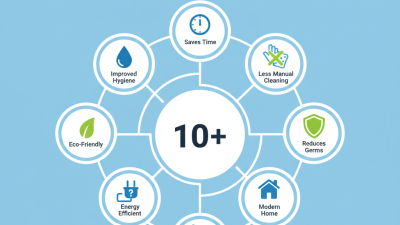
The functionality of self-washing toilets can alleviate common cleanliness concerns. These toilets employ integrated systems that automatically wash and sanitize themselves after each use, ensuring a consistently clean environment. According to industry research, users report 30% less time spent cleaning compared to traditional toilets. The appeal goes beyond maintenance; it's about enjoying a sanitary and pleasant bathroom experience.
Tip: Consider the water efficiency of self-washing toilets. Many models use less water than conventional toilets, contributing to overall sustainability.
While the technology is promising, it raises questions about reliability and maintenance costs. Users may experience issues if the toilet malfunctions. Regular maintenance is essential to keep these systems running smoothly. User reviews reveal that not all models perform equally. It’s vital to research options before purchase.
Tip: Look for user testimonials and expert reviews to gauge reliability before choosing a self-washing toilet.
Benefits of a Self Washing Toilet in 2026