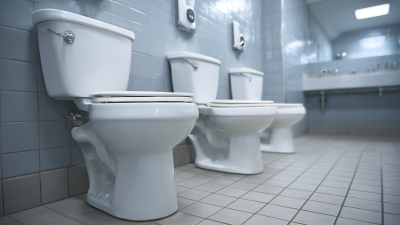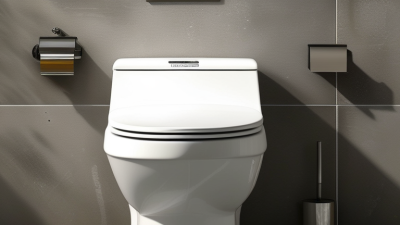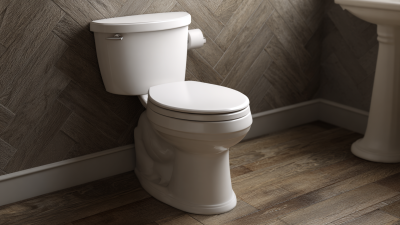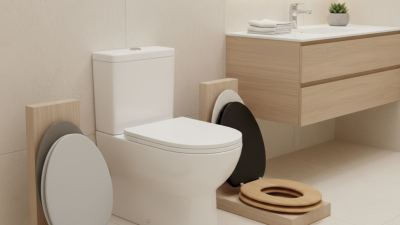
Choosing a toilet is a small decision with a daily impact. A One Piece Chair Height Toilet combines the bowl and tank into one smooth unit, while its higher seat may feel easier to use for some adults. Yet comfort is personal. A taller seat can feel awkward, especially for shorter users, so household needs matter more than a feature list.
This guide compares seven models through practical buying details: seat height, bowl shape, flush performance, cleaning access, dimensions, and installation requirements. Check the rough-in measurement before ordering. Measure the bathroom doorway, too. A beautiful toilet is not helpful if it cannot reach the room. Look closely at warranty terms and replacement-part availability; these details are easy to overlook. Small details count.
Reliable recommendations also need reliable sourcing. No supporting articles or verified expert quotation were provided, so I won’t invent a specialist’s name or attribute a made-up statement to one. Instead, use a simple buyer’s test: “Measure the space, then judge the comfort.” Treat that as a practical checklist, not an expert quotation. Product specifications can vary by model and retailer, so confirm current measurements and features with the manufacturer before buying. One-piece construction may make some exterior surfaces easier to wipe, but it does not remove the need to clean around the base and seat hinges. This guide aims to make those trade-offs clear. The right choice is the one that fits your room, budget, and everyday use—not just the most impressive product description.
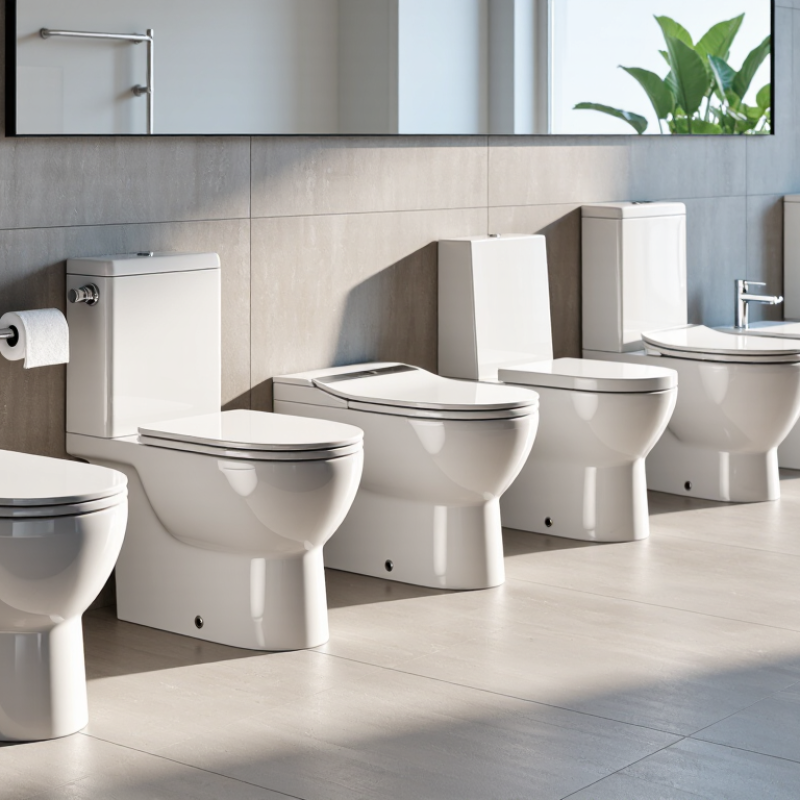
A one-piece chair-height toilet joins the tank and bowl into a single fixture. Its continuous outer surface leaves fewer seams where dust or splash marks can collect. Chair-height models usually place the seat about 17 to 19 inches above the floor, though measurements vary. That extra height can make sitting down and standing up feel more manageable for many adults. It may feel too tall for children or shorter users. Try the seated height if possible.
The integrated shape has practical trade-offs. It can be easier to wipe around than a two-piece design, but the fixture is often heavy and awkward to move. Check the rough-in distance from the finished wall to the drain before buying; a small mismatch can complicate installation. Also compare bowl shape, seat height, and flush specifications rather than relying on appearance alone. Details matter.
A rounded bowl may save space in a compact bathroom, while an elongated bowl often provides more room. Measure the doorway and the path to the bathroom, too. That step is easy to forget. I would also check whether replacement seats and internal parts are standard sizes. A sleek, seamless look is appealing, but service access and everyday comfort deserve equal attention.
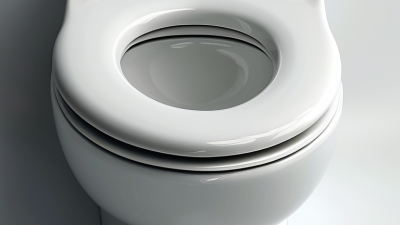
Chair height can make daily use easier, but the label alone does not tell the whole story. Compare the finished floor-to-seat measurement, not just the bowl height. Seat thickness adds a little. Measure carefully.
Check the rough-in distance from the finished wall to the drain center, plus the toilet’s full depth. A roomy showroom can hide a tight bathroom door swing. I still find that detail easy to overlook. Compare bowl shape, too: elongated bowls often need more floor space, while round bowls may suit compact rooms. Since a one-piece design joins the tank and bowl, inspect the curves around the base for areas that could collect dust or resist a cleaning cloth.
Look beyond advertised flush strength. Review independent performance testing, water use per flush, and whether the flushing system handles ordinary household waste reliably. A glazed trapway may help waste move through, but the exact design matters. Ask how replacement parts are sourced and whether the seat is included. Check the installation instructions and the toilet’s weight before delivery; a one-piece unit can be awkward to lift. Small detail, big hassle. A slightly lower water-use figure is not automatically the better choice if performance reports are unclear. Compare specifications side by side, then verify key measurements at home before buying.
ADA dimensions to compare when buying a one-piece chair-height toilet
Check the toilet’s seat height and confirm that the installed fixture will fit the required clear floor space. The chart shows the lower limit for seat height and toilet centerline, plus the minimum clear-space dimensions for a floor-mounted toilet.
Source: 2010 ADA Standards for Accessible Design, Sections 604.2 and 604.3. Dimensions shown in inches.
One-piece chair-height toilets suit different bathrooms, but “chair height” is not a single fit. Measure from the finished floor to the seat, not just the bowl rim. A seated height near 17 to 19 inches often feels easier for adults with stiff knees, though body size changes the experience. Try the height in person if possible. Small test, big difference.
Seven configurations address common needs.
Before buying, check the rough-in distance, door swing, and supply-line position. A one-piece body is easier to wipe around, but it can be heavy to install and awkward to carry through narrow stairs. Flush performance and seat comfort vary; specifications alone will not tell the whole story. I would not choose by height alone. Seat shape, water use, and bathroom layout matter just as much.
Choosing a one-piece chair-height toilet starts with your bathroom’s measurements, not its appearance. Measure the rough-in from the finished wall to the floor bolts, then check the toilet’s listed dimensions. Leave space for the door, nearby cabinets, and comfortable movement. Many chair-height models place the seat around 17 to 19 inches above the floor, but confirm the measurement with the seat included. A height that feels easy for one person may not suit everyone.
Consider bowl shape, flushing performance, and cleaning access. An elongated bowl often needs more room, while a round bowl can fit tighter spaces. A one-piece design has fewer seams to wipe, though its solid construction can make delivery and installation more awkward. Check the product’s water-use details and confirm that replacement parts and service are practical in your area. It is easy to focus on a sleek profile and overlook the lid, handle, or clearance beside the wall.
Tips: Tape the toilet’s footprint on the floor before buying. Sit on a similar-height seat if possible. Check the measurement twice; bathroom plans are not always as precise as they look.
When comparing one-piece chair-height toilets, check the installation details before choosing a model. Measure from the finished wall to the floor bolts, and confirm the rough-in, water-supply position, and bowl clearance. A one-piece unit can be heavy and awkward to maneuver. Plan for two people and protect the floor during placement. Small gaps matter. The flange should be sound and level; forcing a toilet onto an uneven floor can stress the seal. One detail is easy to overlook: confirm the seat height with the actual floor finish in place.
Long-term care starts with a careful leak check after installation. The U.S. Environmental Protection Agency’s WaterSense specification sets a 1.28-gallon-per-flush limit for qualifying tank-type toilets, at least 20% below the 1.6-gallon federal standard. Efficient flushing still depends on correct setup. EPA leak guidance notes that a leaking toilet can waste about 200 gallons daily. That is a lot of water for a quiet drip. Check the bowl for unexplained ripples, and add a few drops of food coloring to the tank; color in the bowl without flushing can indicate a leak.
Clean with a soft cloth and non-abrasive products to protect the finish. Avoid dropping tools or heavy objects near the ceramic base. Every few months, inspect the supply connection, shutoff valve, and floor around the toilet for moisture. If the toilet rocks, do not keep tightening the bolts; porcelain can crack. The right repair may be less obvious than it seems, so investigate the flange and seal before replacing parts.