Leave Your Message
Choosing a Smart Toilet in 2026 means looking beyond a glossy lid or a long list of features. Buyers need to consider wash settings, seat heating, drying, flushing, installation space, and access to replacement parts. A quiet bathroom display can hide practical problems: an awkward outlet, an incompatible water connection, or controls that confuse guests. Small details matter. For global buyers, voltage, plumbing, climate, and service availability can vary widely. A feature that feels essential in one home may be unnecessary in another.
Sanitation innovator Bill Gates has used the phrase, “We need to reinvent the toilet,” to describe the broader need for better sanitation technology. That idea is relevant here, though a modern Smart Toilet is not a complete solution to every sanitation challenge. It is a household appliance, and its usefulness depends on reliable performance, clear instructions, and sensible maintenance. Buyers should check product specifications carefully, rather than treating a high feature count as proof of quality.
This guide compares ten options for shoppers in different markets. It considers comfort, cleaning functions, installation needs, controls, energy use, and after-sales support. The best choice will depend on the bathroom and the people using it. There is no universal winner. Even an impressive model may be the wrong fit. Some comparisons also rely on manufacturer details, which deserve independent checking before purchase. The aim is a practical shortlist—not a promise that every model suits every home.
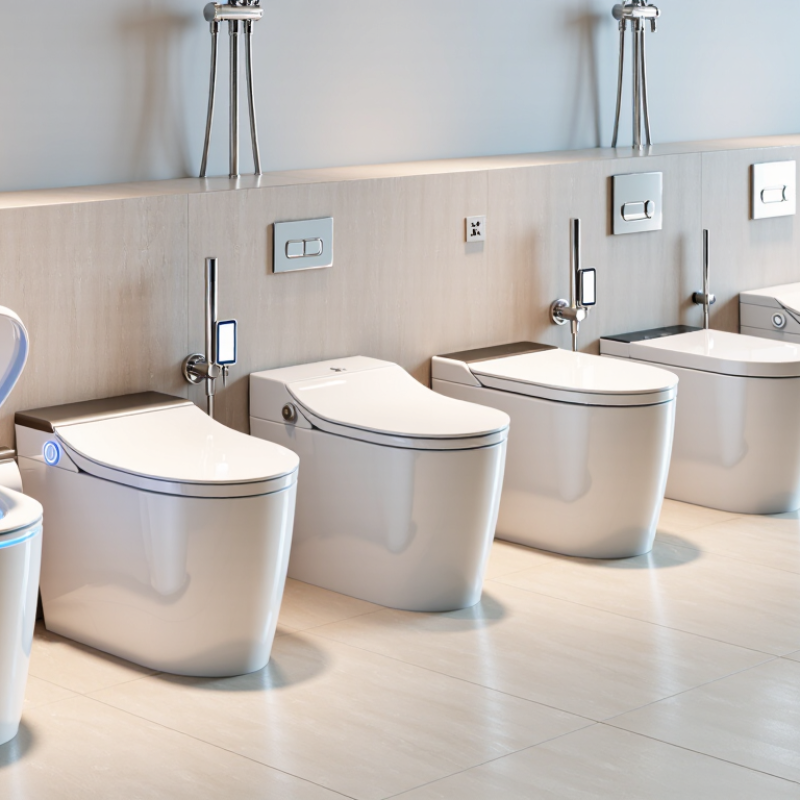
What Defines a Smart Toilet in 2026?
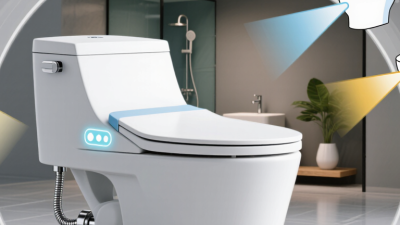
In 2026, a smart toilet is more than a heated seat with a remote. A practical model may combine bidet washing, adjustable water pressure, warm-air drying, and clear, accessible controls. Sensors can lift the lid or flush automatically, but these features should work consistently. A manual control option matters when a remote is misplaced or a sensor fails. Small detail. Big difference.
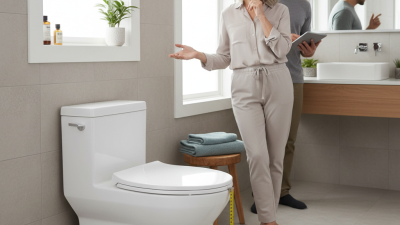
Tips: Measure the bathroom and check nearby power and water connections before buying. Confirm the toilet’s dimensions, installation requirements, cleaning instructions, and local service availability. A feature list cannot tell you whether replacement parts will be easy to find.
For global buyers, “smart” also means suited to the home’s plumbing and electrical setup. Check the product specifications rather than assuming one configuration fits every country. Look for clear warranty terms and guidance on maintenance, including how to clean nozzles and filters. Privacy deserves attention, too: understand what data connected features collect and whether an internet connection is optional. Some functions may sound useful but rarely get used. The best choice depends on who will use it, how easy it is to maintain, and whether its core functions remain reliable every day.
Smart-toilet functions and specifications vary by model and market. This feature guide compares common options rather than ranking specific products; check local electrical, plumbing, installation, and certification requirements before buying.
| No. | Smart Toilet Feature | What It Does | What Global Buyers Should Check |
|---|---|---|---|
| 1 | Integrated bidet washing | Uses a built-in spray nozzle for personal cleansing, often with adjustable water pressure and spray position. | Check available wash modes, nozzle-cleaning functions, user controls, and whether the feature suits household preferences. |
| 2 | Adjustable water temperature | Some models heat wash water electronically; others use a stored supply or provide limited temperature adjustment. | Confirm the heating method, warm-up behavior, and whether the model requires a suitable electrical connection. |
| 3 | Heated seat | Provides seat-temperature settings, a feature commonly included in bidet-seat and integrated smart-toilet designs. | Look for adjustable settings and an energy-saving mode; confirm that the seat dimensions match the toilet installation. |
| 4 | Warm-air dryer | Blows heated air to help dry after washing. Drying performance and settings differ across models. | Check whether airflow and temperature are adjustable, and consider whether users may still prefer toilet paper. |
| 5 | Automatic flushing | Uses sensors or programmed controls to trigger a flush, sometimes with different flush volumes for different uses. | Verify sensor behavior, manual override options, flush volume, and compatibility with local water pressure and plumbing. |
| 6 | Automatic lid and seat | Opens or closes the lid, and sometimes the seat, using a sensor or remote control. | Check how motion sensors respond in the bathroom, whether controls can be disabled, and whether a manual option is available. |
| 7 | Odor-control system | Some toilets use an activated-carbon filter or an air-treatment system to reduce odors near the bowl. | Ask how filters are replaced, how often they need attention, and whether replacement parts are available locally. |
| 8 | Night light | A low-level light can illuminate the bowl or surrounding area in dark conditions. | Check whether brightness and activation settings are adjustable and whether the light can be turned off. |
| 9 | Remote or side-panel controls | Controls let users select wash, drying, seat, and other functions. Layouts vary between remotes and attached panels. | Review control labels, language options, accessibility, mounting needs, and the availability of replacement remotes. |
| 10 | Electrical and water compatibility | Electronic features require a compatible power supply, while flushing and washing depend on the home's water and plumbing setup. | Confirm voltage and frequency, plug and outlet requirements, water pressure, inlet connections, installation clearances, and local electrical and plumbing rules. |