Best Bathroom Toilet Options for Your Home Upgrade?
Upgrading your bathroom is an excellent way to enhance your home's value. A key component of this upgrade is your Bathroom Toilet. Expert designer Sarah Thompson states, "A well-chosen toilet can change the entire feel of your bathroom." Her insight underscores how crucial this decision is.
When selecting the best Bathroom Toilet, consider comfort and efficiency. There are various styles and functions available. Whether you prefer a sleek modern design or a classic model, your choice significantly impacts your daily routine.
While many assume all toilets are the same, that is not true. Some toilets waste water, while others are efficient and eco-friendly. Understand that not every choice suits every home. It's essential to weigh your options carefully.
Overview of Toilet Types for Home Upgrades
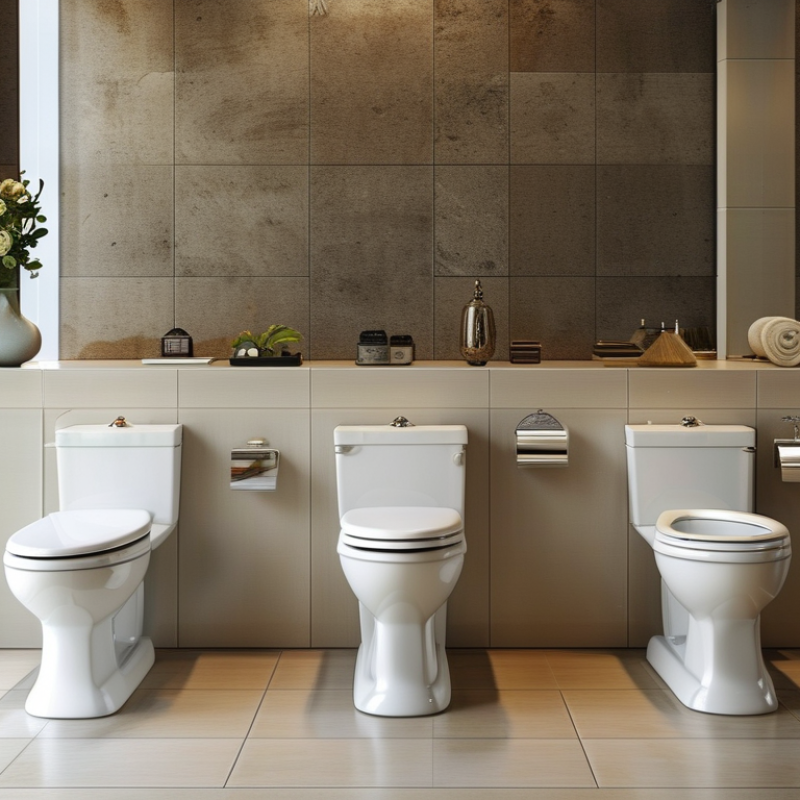
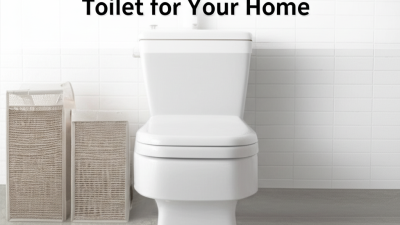
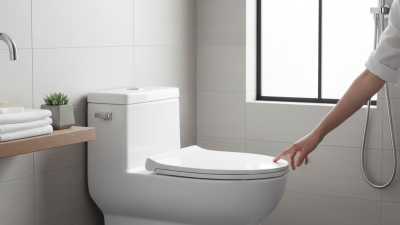
When upgrading your bathroom, selecting the right toilet is crucial. There are various types available, each with unique features. One popular option is the one-piece toilet, which combines the tank and bowl. This design offers a sleek look and is easier to clean, as there are fewer nooks and crannies.
Another type is the two-piece toilet. This design separates the tank from the bowl, allowing for better flexibility in size and style. While they may require more cleaning, they are often more affordable and come in a wider range of styles.
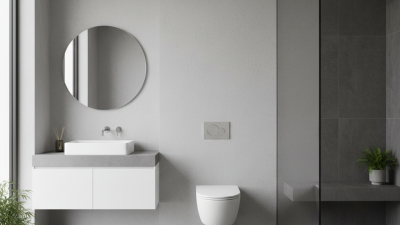
Wall-mounted toilets are another option, which can create the illusion of more space. However, installation might be more complicated.
Consider water efficiency as well. Low-flow toilets use significantly less water, which can save on bills. Nevertheless, some users report that these toilets may require more frequent flushing. This brings up the balance between style, function, and environmental responsibility.
Choosing the right toilet involves weighing aesthetics against practical functioning. Each option has pros and cons, and it’s essential to reflect on what fits best for your lifestyle.
Key Features to Consider in a Bathroom Toilet
Choosing the right toilet for your bathroom upgrade is essential. Consider key features carefully. The first aspect is the flushing system. Look for options that use less water but still provide powerful performance. Dual-flush toilets are gaining popularity for their efficiency. They allow users to choose between a light or full flush, promoting water conservation.
Another important feature is the toilet height. Comfort height models are designed for ease of use, especially for taller individuals or those with mobility issues. The bowl shape also matters. Round bowls save space, while elongated bowls offer more comfort. Make sure to measure the available bathroom area to determine the best fit.
Don’t overlook the importance of maintenance. Some models are easier to clean than others. Look for those with a smooth surface and minimal crevices. Installation is another factor to consider. Some toilets are DIY-friendly, while others may require professional installation. Think about these features carefully to make an informed choice. You might find that the perfect toilet is not always the most expensive option. Your toilet needs to fit your lifestyle and bathroom design.
Best Bathroom Toilet Options for Your Home Upgrade? - Key Features to Consider in a Bathroom Toilet
| Toilet Type |
Flushing Technology |
Water Consumption (GPF) |
Bowl Shape |
Height |
Price Range |
| Two-Piece Toilet |
Gravity Flush |
1.6 GPF |
Round |
Standard |
$200 - $400 |
| One-Piece Toilet |
Dual Flush |
1.28/0.8 GPF |
Elongated |
Comfort Height |
$300 - $600 |
| Smart Toilet |
Electronics Flush |
1.28 GPF |
Elongated |
Comfort Height |
$800 - $1,500 |
| Composting Toilet |
No Flush |
N/A |
Varies |
Standard |
$800 - $1,200 |
| Wall-Mounted Toilet |
Dual Flush |
1.28 GPF |
Elongated |
Comfort Height |
$1,000 - $2,000 |
Comparative Analysis of Modern Toilet Technologies
When considering modern toilet technologies, a few key options stand out. One significant advancement is the dual-flush system. This type allows users to select between a full flush and a reduced flush. It helps save water without compromising performance. Many homes face water scarcity issues, making this feature increasingly necessary.
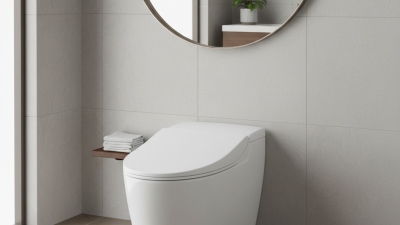
Another innovative choice is the bidet toilet combo. This unit merges a toilet with a bidet, providing comfort and cleanliness. Users can find adjustable water temperature and pressure settings. Such features appeal to environmentally conscious individuals seeking to reduce toilet paper use. While these toilets offer many benefits, installation can sometimes pose challenges.
Touchless toilets are gaining popularity, too. They offer a hands-free experience through sensor technology. While convenient, they might not always function properly, leading to user frustration. Regular maintenance is key to ensure their reliability.
Each modern toilet technology carries both advantages and potential drawbacks. Users must weigh these aspects carefully before making an upgrade.
Sustainability Considerations in Toilet Selection
When considering toilet options for your home, sustainability is a crucial factor. A recent report from the Environmental Protection Agency (EPA) indicates that toilets account for nearly 30% of residential water use. Choosing water-efficient models can significantly reduce this consumption. Low-flow toilets use only 1.28 gallons per flush, in contrast to older models that may use 3.5 gallons or more. This shift can save households over 13,000 gallons of water annually.
Tips: Look for toilets certified by WaterSense. These models meet strict efficiency criteria. Retrofitting existing toilets with dual-flush systems can also enhance water savings while maintaining functionality.
Materials matter. Toilets made from recycled content can lessen environmental impact. Additionally, the choice of ceramic versus other materials affects the ecological footprint. While ceramic is durable and recyclable, it produces significant emissions during production. Aim for balance between durability and resource conservation.
Tip: Consider buying locally manufactured toilets. This reduces transportation emissions and supports local economies, fostering sustainable practices. Having awareness of sustainable options will lead not just to better choices, but also greater reflection on our water usage habits.
Best Bathroom Toilet Options for Your Home Upgrade
This chart compares various toilet options available for home upgrades based on their water usage per flush. Low-flow and dual flush options are more sustainable, reducing water wastage significantly compared to standard models.
Tips for Installation and Maintenance of Upgraded Toilets
Upgrading your toilet can significantly enhance your bathroom experience. When it comes to installation, ensure the area is clean and accessible. Check for any existing plumbing issues before starting. This can prevent complications later. Sometimes, even a small leak can lead to larger problems. Take your time to measure the space accurately. A tight fit can create discomfort.
Maintenance is equally essential. Regularly check for leaks or unusual noises. A simple inspection can save you from costly repairs down the line. Clean the toilet bowl with appropriate cleaners but avoid harsh chemicals. They can damage the internal components. Always keep the tank clean and monitor water levels. Flushing issues may indicate deeper problems.
Consider using a plunger or a toilet auger to handle minor clogs. Many homeowners overlook these simple tools. Notice the condition of the rubber flapper. This part wears out and can lead to running toilets. Remember, an upgraded toilet is only as good as its upkeep. Adjust your maintenance plans regularly to ensure optimal performance.