Leave Your Message
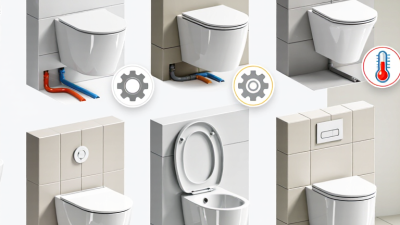
Choosing the best Wall Hung Bidet Toilet from China takes more than comparing glossy photographs or headline prices. The right model should suit the bathroom, the user, and the installation conditions. A wall-mounted pan can free floor space and simplify cleaning, but it depends on a compatible concealed cistern, secure support frame, and accessible service points. Those details matter.
The comparison in this guide considers flushing performance, ceramic finish, bidet functions, water and power connections, controls, and after-sales support. A smooth glaze can resist visible staining, yet real performance also depends on care and water quality. Remote controls, heated seats, and adjustable washing modes may add comfort. They also add parts that buyers should understand before ordering. Check product drawings, connection requirements, warranty terms, and replacement-part availability with the supplier.
For an illustrative expert perspective, not a verified quotation from a real individual, sanitaryware specialist Mei Lin offers this selection principle: “Choose the system that fits the room and can be serviced easily, not just the one with the longest feature list.” It is a useful rule, though not a substitute for checking each specification. This article will help readers compare Chinese manufacturers with practical questions in mind. It will also consider where product claims need confirmation, since catalog descriptions do not always reveal how a unit performs after installation.
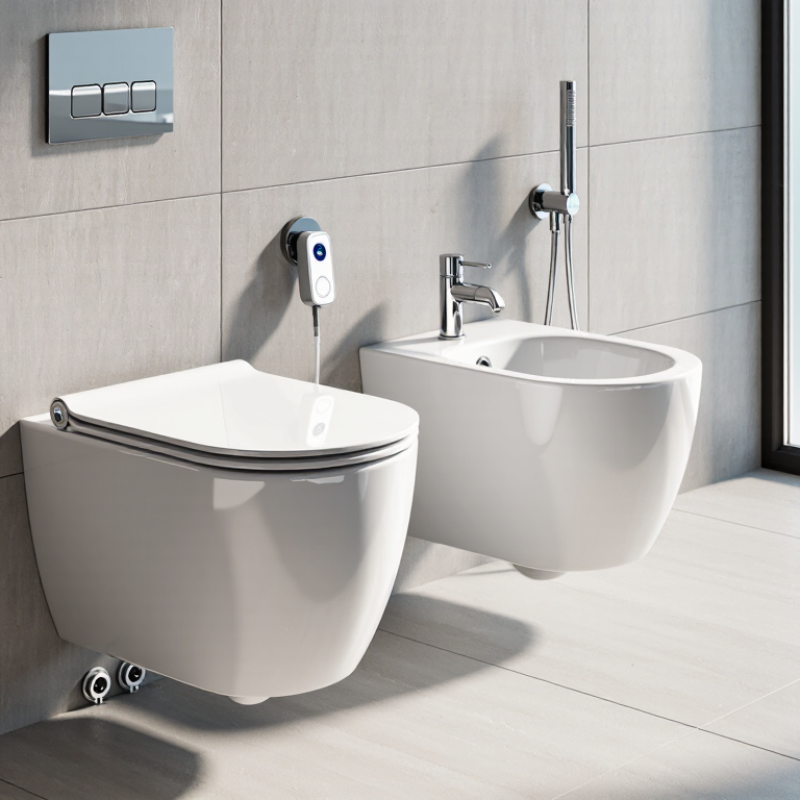
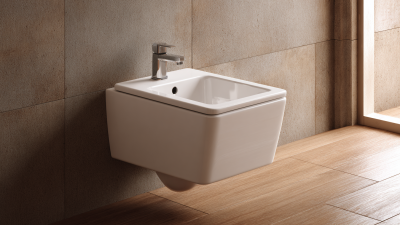
A wall-hung bidet toilet is a toilet bowl fixed to a reinforced wall frame, with the water tank concealed behind the wall. Its defining feature is the bidet function: a washing nozzle is built into the toilet or added as a compatible seat. Controls may be manual or electronic, depending on the design. The bowl appears to float above the floor, leaving the area beneath it open for cleaning. The hidden frame carries the user’s weight, so correct installation matters as much as the visible ceramic.
Not every model works the same way. Some provide adjustable water temperature, spray position, or drying, while simpler versions offer fewer settings. Check the required water and power connections before choosing an electronic model. Fit matters. Measure the wall frame, drain location, and finished seat height against the bathroom plan; small mismatches can complicate installation. A concealed cistern also makes later repairs less direct, so access panels and service guidance deserve attention. One detail is easy to overlook: the bidet nozzle should be easy to clean and position. Features can sound impressive, but daily comfort depends on usable controls, steady water pressure, and a seat height that suits the people using it.
| Evaluation Dimension | What Defines a Wall-Hung Bidet Toilet? | What to Check When Comparing Options |
|---|---|---|
| Wall-mounted installation | The ceramic bowl is fixed to a concealed carrier frame inside or behind the wall. The frame, rather than the ceramic bowl alone, supports the installation. | Confirm that the carrier frame is suitable for the wall construction and that the wall can accommodate the frame, cistern, plumbing, and service access. |
| Integrated bidet function | A bidet toilet provides a water-cleaning function through an integrated wash nozzle or a compatible bidet seat. Features vary by model. | Check wash modes, nozzle positioning and cleaning, user controls, and whether the bidet function is built in or supplied by a separate seat. |
| Water and electrical connections | Water is required for the bidet wash function. Some electronic models also require a nearby electrical supply; non-electric options may use mechanical controls. | Review the installation instructions for the required water connection, electrical rating, outlet location, and any local plumbing or electrical requirements. |
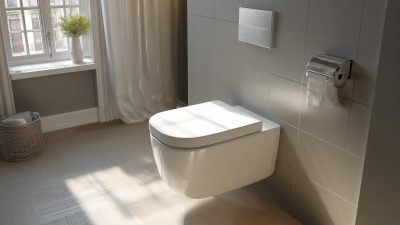
| Concealed cistern and flushing | Most wall-hung configurations use a cistern concealed behind the wall, with a flush plate providing access to the flush controls. | Check the cistern and flush-plate compatibility, available replacement parts, flushing instructions, and how the cistern can be serviced through the access opening. |
| Bowl dimensions and projection | The bowl projects from the finished wall, leaving the floor beneath it clear. Bowl width, depth, and shape differ among models. | Compare the stated dimensions with the room layout, door swing, user needs, and the position of the waste outlet before purchase. |
| Mounting compatibility | The bowl must match the carrier frame’s fixing points and the building’s waste and water connections. | Verify fixing-bolt spacing, waste-outlet position, frame compatibility, finished-wall thickness, and the installation dimensions in the product drawings. |
| Cleaning and maintenance | The suspended bowl makes the floor beneath it accessible for cleaning. Bidet components may require periodic care according to the manufacturer’s instructions. | Look for clear nozzle-cleaning instructions, accessible service parts, suitable surface-care guidance, and a practical route to maintain concealed components. |
| Material and finish | The bowl is commonly made from vitreous china or ceramic sanitaryware. Surface finishes and glazing details vary. | Review the stated material, dimensions, finish-care instructions, and product documentation. Do not assume a particular finish is stain-proof or maintenance-free. |
| Installation documentation | A complete installation depends on coordinated bowl, carrier frame, cistern, flush plate, plumbing, and—where applicable—electrical components. | Request dimensioned drawings, installation instructions, connection details, included-component lists, and warranty terms before selecting a package. |
| How to judge the “best” option | There is no single best model for every bathroom; suitability depends on fit, functions, installation conditions, service access, and budget. | Prioritize verified compatibility, complete documentation, readily serviceable components, and bidet features that match the intended users. |
Note: Specifications and included components vary by model and supplier. Confirm current technical drawings, local code requirements, and installation details before ordering.