Leave Your Message
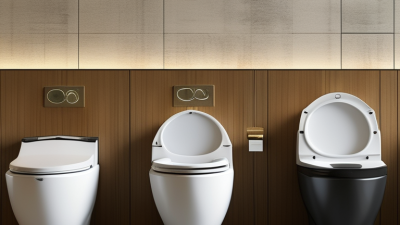
Wall Hung Toilet Bowls can make a compact bathroom feel more open. Their concealed cisterns free floor space, while the floating bowl leaves more tile visible beneath it. The effect is clean, but installation deserves careful planning. Wall strength, frame placement, plumbing access, and seat height all matter. A beautiful profile cannot fix a poorly planned rough-in.
Plumbing design consultant Daniel Mercer sums up the decision: “Choose the frame and bowl as one system, not as separate purchases.” That is useful advice, especially when comparing models at different prices. A lower sticker price may not include the carrier frame, flush plate, or specialist installation. Check the full setup before comparing deals. Small details count.
This guide explores 10 options for different budgets, from straightforward, value-focused designs to refined bowls with softer contours and easier-cleaning surfaces. It considers dimensions, flushing performance, materials, compatibility, and the practical demands of maintenance. A wall-mounted toilet can simplify cleaning, but access to the concealed tank still needs attention. That part is easy to overlook. No single model suits every bathroom, and product specifications should be checked against the actual space and installation plan. The aim is not to crown one universal winner. It is to help you find a bowl that fits your room, budget, and everyday routine—with fewer costly surprises after the tiles are in place.
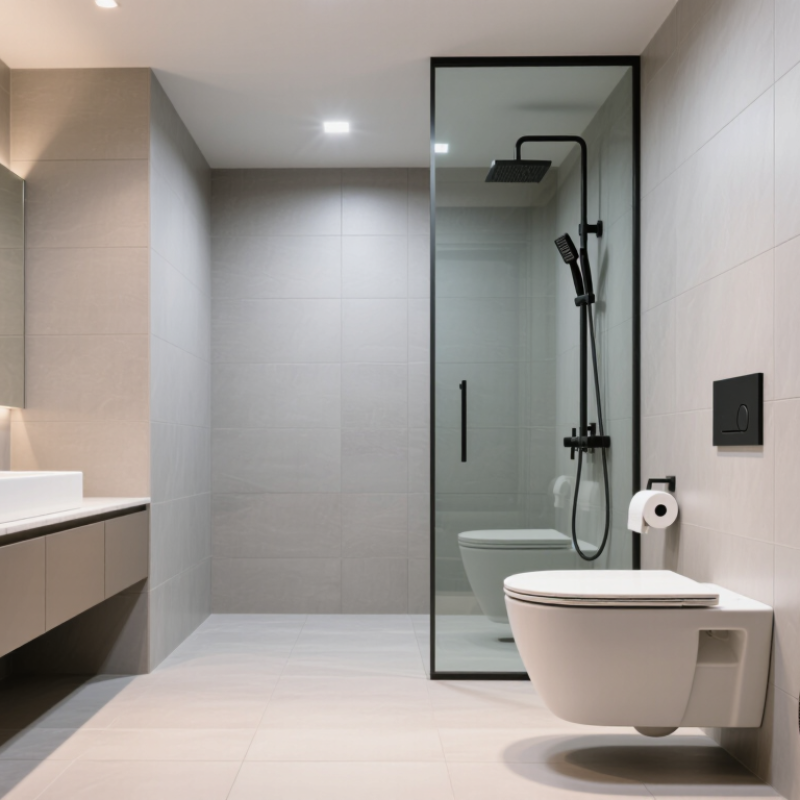
A wall-hung toilet bowl attaches to a sturdy metal carrier hidden inside the wall or a purpose-built service enclosure. The carrier supports the bowl and connects it to the water supply and waste pipe. A flush plate sits on the finished wall, with access to the cistern behind it. The floor beneath stays clear, which can make cleaning easier and a small bathroom feel less crowded. The hidden parts still need proper access.
These toilets can suit compact bathrooms, contemporary renovations, and rooms where easier floor cleaning matters. Bowl height can often be set during installation, which may help meet household comfort needs. But the wall must have enough depth for the carrier, pipes, and cistern. In some homes, adding a framed enclosure is simpler than opening a finished wall, though it takes up space. Measure twice.
The clean appearance can be misleading: installation is not just a matter of swapping bowls. A qualified installer should check the wall structure, drainage position, and carrier requirements before work begins. Repairs may involve opening an access panel or removing tiles if the design provides no convenient route. That’s the trade-off. I’d compare the neat look with the future service plan, especially in an older home where pipe locations can be awkward.
| Budget pick | Typical bowl-only price (USD) | Representative bowl dimensions (W × D) | Typical flush volume | Best suited to | How it fits and practical notes |
|---|---|---|---|---|---|
| 1. Basic compact round-front | $150–$250 | 14–15 × 19–21 in | Usually 1.28–1.6 gpf (4.8–6.1 Lpf) | Tight bathrooms and entry-level remodels | A short projection can preserve floor space. Check bowl projection and seat compatibility before ordering; the concealed carrier is purchased separately. |
| 2. Standard elongated bowl | $200–$350 | 14–15 × 21–23 in | Usually 1.28–1.6 gpf (4.8–6.1 Lpf) | Everyday family bathrooms | The longer seat area is a common comfort choice. Allow adequate knee clearance and confirm that the bowl works with the selected carrier and flush system. |
| 3. Slim-rim contemporary bowl | $250–$400 | 14–15 × 21–23 in | Usually 1.28 gpf (4.8 Lpf) | Modern interiors and easier exterior wipe-downs | A smooth, minimal exterior reduces ledges where dust can collect. Rim design and bowl-cleaning performance vary, so review the product’s testing and care instructions. |
| 4. Short-projection elongated bowl | $275–$450 | 14–15 × 20–22 in | Usually 1.28 gpf (4.8 Lpf) | Narrow rooms where an elongated seat is preferred | Offers a middle ground between a compact footprint and an elongated shape. Measure from the finished wall to the front edge, not from the unfinished framing. |
| 5. Skirted, easy-clean bowl | $300–$500 | 14–15 × 21–23 in | Usually 1.28 gpf (4.8 Lpf) | Bathrooms where simple exterior cleaning matters | A smooth-sided profile is easier to wipe than exposed curves and bolt areas. Confirm access to the service opening remains clear after installation. |
| 6. Comfort-height installation option | $325–$550 | 14–15 × 21–23 in | Usually 1.28 gpf (4.8 Lpf) | Users who prefer a higher seated position | The bowl’s final seat height depends on the carrier setting, bowl shape, and seat thickness. Set the finished height to suit users and applicable accessibility requirements. |
| 7. Compact washdown-style bowl | $350–$600 | 14–15 × 20–22 in | Often 1.28 gpf (4.8 Lpf); verify specification | Small bathrooms and straightforward bowl designs | Washdown designs use gravity-driven water flow across the bowl. Flushing behavior differs by design, so check independent performance ratings where available. |
| 8. Premium rimless-style bowl | $450–$750 | 14–15 × 21–23 in | Often 1.28 gpf (4.8 Lpf); verify specification | Design-led renovations and easier rim access | Rimless-style bowls are shaped to direct flush water around the bowl without a conventional enclosed rim. Cleaning results depend on the specific flush design and water pressure. |
| 9. Elongated bowl with integrated seat package | $500–$900 | 14–15 × 21–23 in | Usually 1.28 gpf (4.8 Lpf) | Buyers seeking a coordinated bowl-and-seat fit | Bundled seats can simplify fit and appearance. Check whether the seat is standard or powered, and plan for any required electrical outlet before closing the wall. |
| 10. Premium designer elongated bowl | $750–$1,500+ | 14–16 × 21–24 in | Typically 1.28 gpf (4.8 Lpf); verify specification | High-end remodels with a carefully coordinated finish | Premium pricing may reflect ceramic finish, design, or included accessories. Confirm bowl-to-carrier compatibility and compare the full installed cost, not bowl price alone. |
How wall-hung toilets work: The bowl bolts to a concealed steel carrier fixed to the building structure. The carrier supports the load and usually holds the cistern inside a framed wall; a flush plate provides access to serviceable parts. The finished wall and floor remain visible beneath the bowl, making floor cleaning easier. Installation generally requires suitable wall framing, compatible plumbing, and access for maintenance.
Notes: Prices are broad, illustrative U.S. retail estimates for the bowl or stated bowl package only; they exclude the carrier, flush plate, seat unless noted, construction, and installation. Dimensions are representative ranges, not specifications for a particular product. Always verify measurements, carrier compatibility, local plumbing requirements, and flush certification before purchase. gpf = gallons per flush; Lpf = liters per flush.