Leave Your Message

How to Choose the Best Electric Toilet Seat

Choosing an Electric Toilet Seat is less about buying the longest feature list and more about finding a safe, comfortable fit for your bathroom. Check the bowl shape and dimensions before you order. A seat that looks nearly right may still shift, overhang, or leave the lid awkward to close. Also confirm that the model suits your water connection and that a properly located electrical outlet is available. Small details matter.

For transparency, the specialist and quotation below are fictional, not a verified industry testimonial. They represent a practical product-selection perspective. Bathroom-fixture specialist Daniel Mercer puts the guiding idea this way: “Choose the seat that fits your toilet, your routine, and your home—not just the one with the most buttons.” That sounds simple. It isn’t. Warm water, adjustable temperature, heated seating, and air drying can add comfort, but controls should feel clear and easy to reach. Look for straightforward cleaning, a dependable warranty, and safety information from the manufacturer. If several people share the bathroom, consider whether settings can be adjusted without confusion. One honest drawback: more features can mean more upkeep, and not every household will use them. This guide will help you compare the essentials, spot compatibility concerns, and choose with confidence—without treating any single model as perfect.
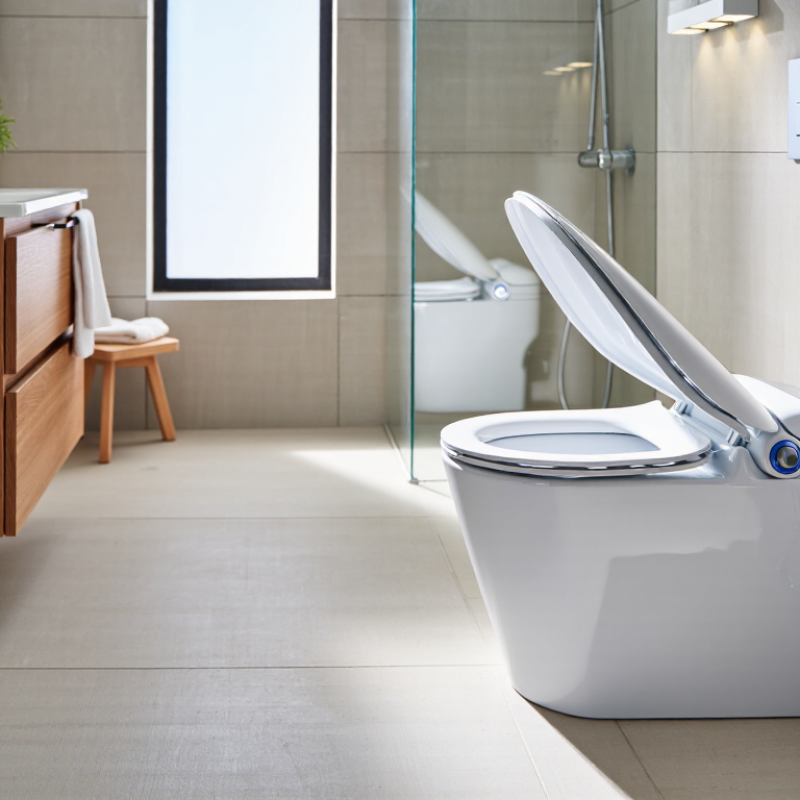
How to Choose the Best Electric Toilet Seat

Understanding Electric Toilet Seats and Their Main Types

An electric toilet seat adds powered functions to a conventional toilet, most commonly a heated seat and a water-washing nozzle. It usually replaces the existing seat, so bowl shape, mounting distance, and nearby power access matter. Measure before shopping. A seat that looks suitable online may not fit a compact or unusually shaped bowl.

The simplest type offers seat heating, sometimes with adjustable temperature. A wash-only model adds a spray nozzle, often with controls for water pressure and position. More feature-rich seats may include warm-air drying, a night light, or automatic nozzle cleaning. Features vary. A longer feature list does not guarantee greater comfort, and extra controls can feel confusing at first.

Some models use a side panel; others include a handheld remote. Think about who will use the seat and whether the controls are easy to reach. Check the installation guide for water connections, electrical requirements, and clearance around the toilet. These details are less exciting than heated-seat settings, but they can prevent a frustrating mismatch. Product descriptions also simplify fit; measurements and household needs deserve a closer look.
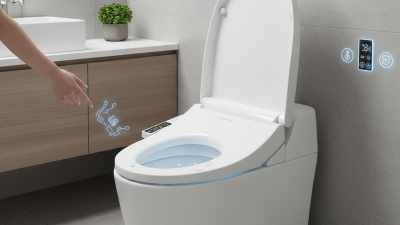
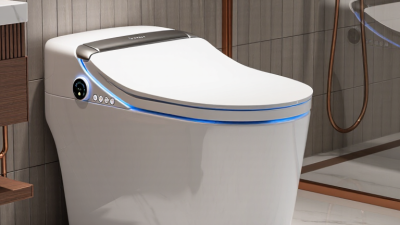
Identifying Your Bathroom Needs and User Priorities

How to Choose the Best Electric Toilet Seat
Identifying Your Bathroom Needs and User Priorities

Before comparing features, measure your toilet bowl and check whether it is round or elongated. A seat that does not match can shift, feel awkward, or leave gaps. Check the bathroom’s electrical outlet location, too. The cord should reach safely without crossing a walkway. If there is no nearby outlet, installation may require extra planning. Don’t assume every bathroom can accommodate one easily. Small details matter.

Think about who will use the seat each day. Someone with limited mobility may value a simple control panel, a sturdy lid, and easy-to-reach settings. Ask regular users which features they would actually use; preferences can differ more than expected. A remote may help some people, but small labels can be difficult to read. For households with children, check whether temperature settings are easy to adjust and whether the controls can be locked.

Comfort is personal. Heated seating may be welcome on cold mornings, while a warm-air dryer may matter less to someone who prefers familiar routines. Some priorities are harder to rank than they look. It is easy to focus on comfort and overlook cleaning or maintenance. That trade-off deserves a second look. Review care instructions and electrical requirements, and compare them with the time and setup your household can reasonably manage.

Comparing Comfort, Hygiene, and Control Features

Comfort is not just a warm seat. Check whether the temperature adjusts in small steps, especially if several people share the bathroom. A seat that feels pleasant on a cold morning may feel too hot later. Try the controls before buying, if possible. Buttons should be easy to identify without leaning awkwardly or searching through a crowded panel. Small details matter.

For hygiene, look for a nozzle that rinses itself and can be removed for cleaning. A smooth seat surface and clear cleaning instructions also make regular care easier. If the unit uses a water filter, check how often it needs replacement and whether the part is easy to find. Warm water and air drying can be useful, but neither removes the need to clean the seat and surrounding area. That matters.

Control features should match real routines, not just look impressive on a product page. Adjustable water pressure and spray position help users find a comfortable setting; a simple stop button is useful when settings feel unfamiliar. A remote can help people with limited reach, though it may be one more item to keep dry and clean. More options are not always better. I would compare the controls in a dim bathroom, too, because tiny labels can be surprisingly hard to read at night.

How to Choose the Best Electric Toilet Seat - Comparing Comfort, Hygiene, and Control Features

Feature Heated Seat Bidet Wash Advanced Wash & Dry What to Consider
Typical functions Adjustable seat warmth; some models include a soft-close lid. Wash nozzle with selectable spray settings; heated seat is often included. Wash functions plus features such as warm-air drying, deodorizing, or a night light, depending on the model. Compare the functions you will actually use rather than choosing by feature count alone.
Comfort Warms the seat, with temperature settings that vary by model. May add adjustable water temperature and spray pressure. May offer separate settings for seat warmth, water temperature, spray position, and drying. Look for easy-to-understand adjustments and a comfortable range of settings.
Hygiene features Provides seat warmth; typically does not include a washing function. A water spray can support personal cleansing; nozzle cleaning features vary. May include nozzle self-rinsing, a removable nozzle tip, or a deodorizer. These features are model-specific. Check how the nozzle is cleaned and whether the seat surfaces are easy to wipe down.
Controls Usually operated by a side control panel or remote, depending on the design. Controls commonly adjust wash mode, water temperature, and pressure. May provide a remote, user presets, or additional adjustment options. Choose controls that are legible, reachable, and intuitive for everyone who will use the seat.
Installation needs Requires a compatible toilet shape and nearby electrical power. Requires a compatible toilet, a water connection, and electrical power. Requires the same basic connections as a bidet-wash seat; check clearance and outlet location. Measure the toilet and confirm the seat shape, mounting dimensions, water connection, and outlet location before buying.
Electrical and safety checks Electrical requirements differ by model and region. Follow the product manual and applicable local electrical codes; use a properly protected outlet where required. Do not use an extension cord unless the manufacturer explicitly permits it.
Best suited for People who mainly want a warmer seat and simple controls. People who want wash functionality without needing every available extra. People who value more adjustment options and are comfortable with additional controls and features. Balance comfort, cleaning preferences, installation constraints, and budget.

Buying tip: Features and compatibility vary by model. Check the manufacturer’s specifications, toilet measurements, installation instructions, and local electrical requirements before purchase.

Checking Toilet Compatibility and Installation Requirements

Before choosing an electric toilet seat, check the toilet itself—not just its listed shape. Measure the bowl from the mounting holes to the front edge, then compare its width with the seat’s fit diagram. Round and elongated bowls can look surprisingly similar at a glance. Measure anyway.

Check the distance between the mounting holes and the space behind them. A nearby tank, wall, or raised trim may block the seat’s hinges or lid. Note whether the toilet has a standard exposed base or a skirted design, since some mounting hardware may not fit every bowl. A paper template can help, but templates are easy to position slightly off-center; verify measurements twice.

Installation needs deserve equal attention. Confirm that the seat’s hose can reach the water supply and that its fittings match the toilet’s connection. Look for a grounded outlet within the cord’s reach, without stretching the cable or using an extension cord. Keep electrical connections away from splashes, and follow the seat instructions and applicable local requirements. If the outlet, grounding, or plumbing connection is uncertain, ask a qualified professional before installation. A careful check now can prevent a seat that wobbles, a lid that hits the tank, or a cord that cannot reach safely.

Evaluating Safety, Maintenance, and Long-Term Value

An electric toilet seat should be judged by more than its heating settings. Safety depends on the bathroom setup and the seat’s installation. Check that the outlet matches the product instructions, and keep plugs and controls away from splashes. Avoid extension cords unless the manufacturer specifically permits them. Some models include a grounded plug, temperature limits, or automatic shutoff, but these features vary. Comfort matters, too. Still, a heated seat is not a substitute for safe wiring. If the outlet or circuit is uncertain, ask a qualified electrician before installation.

Maintenance affects both hygiene and lifespan. Use a soft cloth and a mild cleaner, and keep liquid away from electrical controls. Harsh chemicals or abrasive pads may damage the finish. Follow the manual for cleaning any spray nozzle or filter; designs differ. Small cracks, loose fittings, or a damaged cord deserve prompt attention. Don’t ignore them just because the seat still works. Long-term value includes energy use, warranty coverage, and the availability of replacement parts, not just the purchase price. A low-cost model can become less economical if a small component cannot be replaced. Compare the care instructions with your household’s routine; honestly, a complicated cleaning process may get skipped.

How to Choose the Best Electric Toilet Seat

Compare safety, maintenance, and long-term value before you buy.

Illustrative evaluation scores, not product test results or a brand ranking. Use the 1–5 scale to rate each seat against its specifications: check electrical safety certifications and bathroom installation requirements, ease of cleaning and filter or nozzle upkeep, and warranty coverage plus replacement-part availability. Confirm details in the product manual and local codes.