2026 Best Electric Toilet Seat for Global Buyers?
Choosing the best Electric Toilet Seat in 2026 requires more than comparing prices and glossy specifications. Global buyers face different bathroom layouts, electrical systems, water pressures, and installation expectations. A seat that performs quietly in Tokyo may need an adapter or different plumbing support in Toronto. Compatibility matters.
This guide examines practical features, including heated seating, adjustable wash pressure, warm-air drying, night lighting, deodorisation, and energy-saving modes. It also considers nozzle hygiene, control design, child settings, remote usability, and emergency operation during power interruptions. Small details matter. A dim night light can prevent accidents. A slow-closing lid can reduce noise in a shared home.
The discussion draws on manufacturer documentation, user experience, product testing principles, and common installation requirements. Buyers should verify voltage, plug type, water connections, warranty coverage, and local service availability before ordering. Certification labels deserve careful attention, although certification names differ between markets. No model is perfect. Some premium seats consume more power, while budget models may compromise drying performance or material quality. That trade-off is easy to overlook. This overview therefore avoids declaring one universal winner. Instead, it helps readers match an Electric Toilet Seat with their climate, bathroom design, household needs, and maintenance habits. A reliable choice should feel safe, comfortable, repairable, and understandable after installation—not merely impressive on a product page. Expect a few compromises. Good buying decisions usually involve them.
Define Electric Toilet Seats: Functions, Types, and 2026 Buyer Criteria
2026 Best Electric Toilet Seat for Global Buyers?
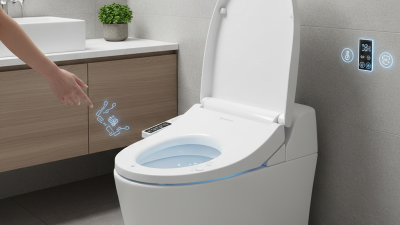
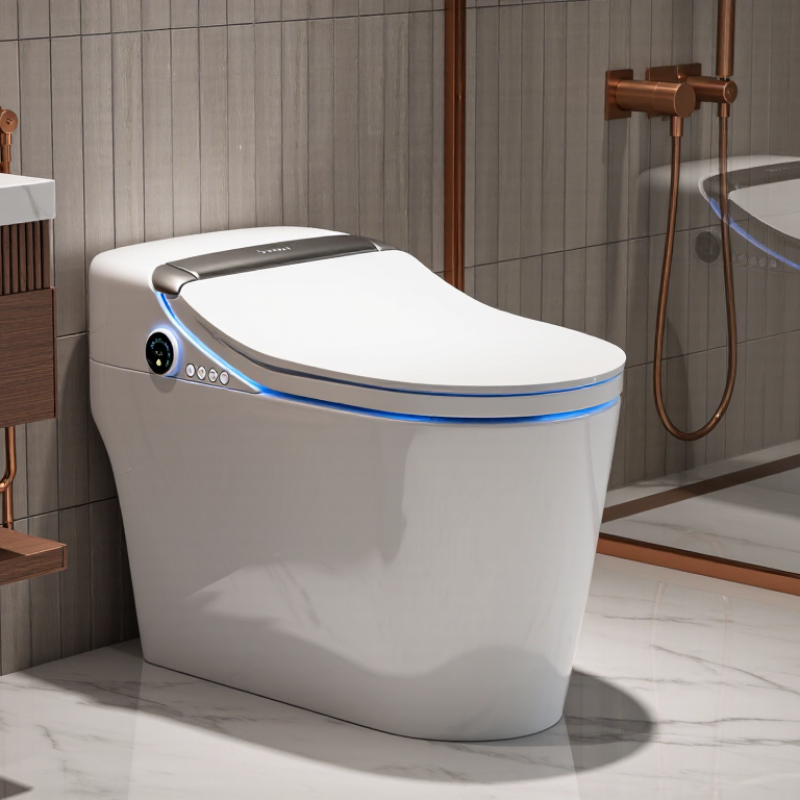
An electric toilet seat combines a heated seat, washing system, air drying, and user controls. Unlike a standard seat, it needs nearby power and careful installation. Core functions include adjustable water pressure, nozzle position, temperature control, night lighting, and automatic deodorizing. Heating feels useful on cold mornings, but excessive heat may cause discomfort during longer use.
Types differ by installation and water supply. Bidet-integrated seats usually offer more functions and cleaner control panels. Basic heated seats focus on warmth and soft-closing hinges. Some models use a built-in tank, while others require continuous water flow. Tank systems can provide warm water quickly, but repeated use may reduce comfort. Measure twice. Bathroom layouts are rarely identical.
Global buyers should check voltage, plug design, water connections, seat dimensions, and available service support. A reliable product should include clear manuals, washable components, grounded electrical protection, and materials that resist staining. Test the controls before purchase if possible. A side panel may suit users with limited mobility, while a remote control keeps the seat visually cleaner. Energy use, cleaning access, warranty terms, and replacement parts also matter. I have found that attractive specifications can hide weak hinges or noisy pumps. That detail deserves more attention than glossy product photography.
Compare 120 V/60 Hz and 220–240 V/50 Hz Global Compatibility
Choosing the best electric toilet seat in 2026 starts with the wall socket, not the heated lid. IEC 60038 identifies 230 V as a standard nominal voltage, while many North American systems use 120 V. Frequency matters too. 50 Hz is common in Europe, Asia, Africa, and Australia; 60 Hz dominates North America and parts of Asia. These numbers are not decoration.
The IEA’s Electricity 2024 report projects global electricity demand to grow by an average of 3.4% annually through 2026. More electrified homes mean more installations, but not necessarily safer ones. A 120 V/60 Hz seat connected directly to 230 V can damage its heater, pump, or control board. A 220–240 V/50 Hz model on 120 V may heat slowly or fail to start. An adapter changes plug shape, not voltage or frequency.
No label, no confidence.
Check the rating plate for exact input requirements. A genuine dual-voltage model should clearly state 100–240 V and 50/60 Hz; never assume this feature. Buyers should also verify rated wattage, grounding, leakage protection, and local certification requirements. IEC 60335-1 and IEC 60335-2-84 provide useful safety references for household and toilet appliances. I once treated frequency as secondary; that assumption was too simple. Some motors and pumps respond differently at 50 Hz. Installers should confirm the outlet, circuit protection, and bathroom-zone requirements before purchase. Measure twice.
Evaluate Wash Performance: 0.07–0.75 MPa Pressure and Adjustable Flow
For global buyers, wash performance deserves more attention than heated seats or remote controls. A practical electric toilet seat should handle roughly 0.07–0.75 MPa inlet pressure, while offering smooth flow adjustment. At 0.07 MPa, the spray may feel weak, especially in upper-floor apartments. At 0.75 MPa, the jet can feel sharp and unnecessarily wasteful. Stronger is not always better.
Test it with a pressure gauge, not a sales claim. Check spray coverage, temperature stability, and nozzle movement at low, medium, and high settings. A useful model should maintain a comfortable stream when household pressure changes. The U.S. EPA WaterSense tank-type toilet specification limits flush volume to 1.28 gallons per flush, but it does not define bidet-seat wash pressure. This difference matters: flushing efficiency cannot prove cleansing quality. Standards such as ASME A112.4.2/CSA B45.16 also encourage buyers to examine personal hygiene devices as plumbing products, not simple bathroom electronics.
The WHO/UNICEF Joint Monitoring Programme reported that 3.5 billion people lacked safely managed sanitation in 2022. Global bathrooms vary widely in water pressure and plumbing quality. That makes adjustable flow essential. I would also look for pressure regulation, backflow protection, and clear installation limits. A pressure range alone can mislead. In real use, a quiet, stable spray often feels better than maximum force. My own caution is simple: laboratory pressure numbers may not match a long pipe, a clogged filter, or a cold winter supply line.
Verify Safety: GFCI/RCD Protection, IPX4, and IEC 60335-2-84
For a 2026 electric toilet seat, water protection must be verified, not assumed. IEC 60529 defines IPX4 as protection against water splashes from every direction. It does not permit immersion or pressure washing. During practical inspections, check the rating on the product label, manual, and test documentation. A missing certificate deserves caution.
GFCI or RCD protection is equally important. ESFI reports that more than 30,000 non-fatal electrical shock incidents occur annually in the United States. A suitable GFCI or RCD can disconnect power when leakage is detected. Many installations use 30 mA RCD protection, but local electrical rules may differ. The protective device should be tested with its test button before regular use. Small detail. Often ignored.
IEC 60335-2-84 covers safety requirements for electrically operated toilets and bidets. Buyers should confirm that the test report matches the exact model, voltage, heating system, and control unit. A general IEC statement may not prove compliance. IPX4 also cannot replace correct grounding, bonding, and qualified installation. In wet bathrooms, cable routing matters. So does the socket position. Some product listings remain vague about these points, and that is a weakness worth questioning. Safety documents should identify the testing laboratory, standard edition, and certification scope. The IEC standard itself is authoritative, but national adaptations can impose additional requirements.
2026 Best Electric Toilet Seat for Global Buyers?
Verify Safety: GFCI/RCD Protection, IPX4, and IEC 60335-2-84
GFCI protection
North American personnel-protection devices commonly use a maximum trip threshold of 6 mA.
RCD protection
IEC-based additional protection and Australian/New Zealand installations commonly use 30 mA RCD protection.
IPX4 and IEC 60335-2-84
IPX4 indicates protection against water splashes from all directions. IEC 60335-2-84 addresses safety requirements for electrical appliances associated with toilets.
The chart compares commonly referenced residual-current protection thresholds; local electrical codes may require different configurations. Buyers should verify the complete product test report, IP rating documentation, grounding method, and installation requirements for the destination market.
Rank 2026 Models by Energy Use, Fit, Warranty, and Local Compliance
The 2026 best electric toilet seat should be ranked by measurable performance, not glossy features. A low-energy model deserves the top position if heating is adjustable and standby power stays minimal. The IEA’s Energy Efficiency 2024 report states that buildings consume about 30% of global final energy. Small bathroom loads still matter. However, published toilet-seat energy figures are often difficult to compare. That weakens confidence.
Fit comes next. Measure bowl length, hinge spacing, water connection, and available electrical clearance before buying. A universal plate can still shift during use. For safety, check testing against IEC 60335-2-84 and moisture protection under IEC 60529. Local plug type, voltage, frequency, and certification marks must also match the destination market. Compliance is not a decorative label.
Warranty ranking should consider coverage length, parts availability, and repair support. A longer warranty is useful only when service exists locally. My practical ranking places low-consumption adjustable models first, widely compatible models second, and feature-heavy models third. This order may change after real installation tests.
Tips: Run a seven-day energy test with a plug-in meter. Record warm-up time, overnight standby use, and water temperature. Keep the receipt and installation photos. Do not assume every regional version is identical. That assumption causes avoidable returns.