Choosing the right Toilet One Piece Seat requires more than matching a white seat to a white toilet. The bowl’s shape, hinge spacing, mounting holes, and height all affect comfort and stability. A seat can look perfect online but wobble after installation. That small failure matters.
Richard Trethewey, a master plumber and longtime plumbing educator, offers a useful reminder: “Measure the toilet before choosing the seat.” His advice reflects practical bathroom experience. Measure from the center of each mounting hole to the bowl’s front edge. Record the width at the widest point. Then check whether the toilet needs a round, elongated, or manufacturer-specific seat. Guessing is risky.
Material also changes daily use. Solid polypropylene usually feels lighter and costs less. Duroplast can feel more rigid and resist visible scratches. Soft-close hinges reduce slamming, especially in homes with children. Stainless-steel fittings often provide better long-term confidence than fragile plastic hardware. Still, expensive materials cannot correct a poor fit.
Look closely at the underside, too. Bumpers should touch the ceramic evenly, without rocking. Quick-release hinges may simplify cleaning around the mounting area. That convenience is easily overlooked. Manufacturer measurements remain more reliable than attractive product photographs.
There is no universally perfect seat. Personal comfort, cleaning habits, bathroom moisture, and installation skill all matter. A careful buyer may still discover an unexpected issue, such as hidden hinge access or a slightly unusual bowl curve. That is why this guide examines real measurements, installation details, material quality, and honest limitations before recommending any Toilet One Piece Seat.
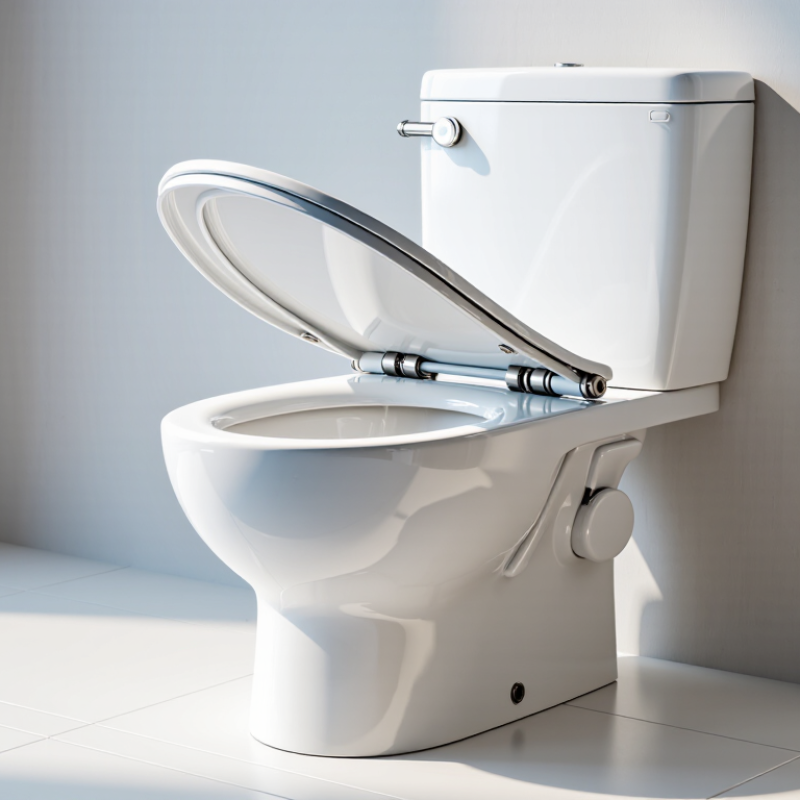
A one-piece toilet seat is designed for a toilet where the bowl and tank form one continuous unit. The seat itself is not necessarily made in one piece. Its fit depends on the bowl’s shape, mounting holes, and available clearance. Round and elongated bowls need different seat lengths. Some compact bowls also have unusual curves near the hinges.
From practical fitting experience, measure before shopping. Check the distance between the fixing holes, from the holes to the bowl’s front edge, and the space behind the seat. A soft measuring tape helps follow curved surfaces. Look for strong hinges, stable bumpers, and a surface that cleans easily around the mounting points. A seat that shifts slightly can become irritating every day. I once assumed a “universal” seat would fit a compact bowl. It did not. The hinge position was wrong, and the lid pressed against the tank. That small mistake was avoidable.
Tips: Remove the old seat before final measurement. Compare the new seat’s dimensions with the toilet’s shape, not only its advertised size. Choose adjustable hinges when the holes are difficult to align. Check the installation instructions and tighten fasteners gradually. Do not overtighten them; porcelain can crack. A quiet-close feature may improve comfort, but it should not replace a secure fit. Consider user weight, cleaning habits, and bathroom humidity. Even a well-made seat may feel unsuitable if its height, texture, or lid movement does not match daily use.
A one-piece toilet seat is selected by matching the seat to the toilet bowl rather than by the toilet body alone. The most important checks are bowl shape, front-to-back length, seat width, and hinge-hole spacing. Round bowls are commonly about 16.5–18.5 inches long, while elongated bowls are typically about 18.5–20.5 inches long. Measurements can vary, so always compare them with the toilet manufacturer's technical drawing before purchasing.
Measuring your one piece toilet carefully prevents wobbling, gaps, and awkward overhang. Use a tape measure and record each measurement in millimeters. Measure from the center of the hinge holes to the front edge of the ceramic bowl. Keep the tape along the bowl’s centerline. Then measure the widest point from left to right. Measure between the hinge holes, center to center, rather than from their outer edges. A small mistake can affect the fit.
Check the bowl shape before choosing a seat. Most bowls are round or elongated, but some one piece toilets have less familiar contours. Measure the ceramic bowl, not only the existing seat. Old seats can stretch, shift, or hide the true shape. Also inspect the hinge area underneath. You need enough clearance for the fixing hardware and tightening tools. I once trusted a nearly identical measurement and missed the hinge spacing. It fit poorly.
Tips: Place masking tape beside each measurement point. Mark the centers with a pencil. Take every measurement twice. Check whether the hinge is top-fixing or bottom-fixing, especially when access below the bowl is limited. Look for rubber bumpers that rest evenly on the ceramic. If the front length matches but the width does not, do not force the seat. A stable fit matters more than appearance. Photograph the hinge area before shopping, because hidden contours are easy to forget.
Choosing the right seat for a one-piece toilet starts with material, not appearance. Polypropylene seats are lightweight, affordable, and resist moisture well. Duroplast feels more rigid and keeps its shape under frequent use. Wood-composite seats offer a warmer, heavier feel, but chipped coatings can absorb moisture. In my fitting experience, a rigid seat often feels more stable on a curved one-piece bowl. However, “stronger” does not always mean more comfortable.
Features should match the room and the user. Soft-close hinges reduce night-time noise and protect the ceramic from sudden impact. Quick-release hinges make cleaning easier around the rear mounting area. Adjustable bumpers help prevent movement, especially when the bowl has a shallow rim. The U.S. Environmental Protection Agency’s WaterSense tank-type toilet specification limits certified toilets to 1.28 gallons per flush, compared with older 1.6-gallon models. That saving concerns the toilet, not the seat, but efficient bathrooms still benefit from easy-clean, durable components. ANSI and industry testing practices also emphasize secure attachment and repeated-use performance. Check the bowl shape carefully; a seat can look suitable and still overhang.
Tips: Measure the length, width, and hinge spacing before buying. Choose stainless-steel hardware for humid bathrooms. Avoid soft materials with exposed seams. I once ignored hinge spacing and created a small, annoying shift after installation. It was fixable, but preventable. Also test the closing speed, because some mechanisms close too slowly for impatient households.
Choosing a seat for a one-piece toilet begins with compatibility, not appearance. Measure the bolt-hole spacing, bowl length, and rear curve. A small mismatch can leave the seat twisted or unstable.
The 2024 U.S. Houzz Bathroom Trends Study reports that 33% of renovating homeowners upgraded their toilets. That figure suggests replacement work is common, but it does not guarantee standard dimensions. Check the toilet’s technical drawing when available. I have found top-fixing seats useful when the bowl underside is difficult to reach. Their expanding anchors tighten from above, saving time in narrow bathrooms. Bottom-fixing models can feel more secure, but installation may require kneeling behind the bowl. It is an awkward detail.
Compatibility also depends on the hinge system. Quick-release hinges simplify cleaning, while soft-close hinges reduce slamming and daily impact. The National Kitchen & Bath Association’s 2024 Bathroom Design Trends report identifies easier maintenance as a continuing homeowner priority. That supports removable designs, although hinges still need regular inspection. Confirm whether the seat includes adjustable brackets, rubber buffers, and the correct anchor type. Do not assume universal fit. A seat can match the length yet fail at the mounting curve. I once overlooked that curve; the installation looked acceptable, but side movement appeared after several uses. That mistake is easy to repeat. Choose the fixing method that matches access, bowl geometry, and the manufacturer’s stated hole range.
How to Choose the Right One Piece Toilet Seat?
Comfort should fit your daily routine, not only the product photograph. Sit with your feet flat and check whether the seat supports your weight evenly. A smooth, rounded edge usually feels better against the thighs. Soft-close hinges reduce noise during night-time use. However, a slow-close feature cannot fix an incorrect toilet shape. Measure the bowl length, width, and bolt spacing before purchasing.
Durability depends on more than seat material. Check the hinge strength, fixing system, and moisture resistance. A rigid seat with metal or reinforced hinges often stays stable longer. Cleaning also matters. Choose a surface with few grooves and removable hinges, because dust and bathroom residue collect around hidden joints. From practical use, seats that wobble slightly tend to become more annoying over time. I once focused too much on appearance and underestimated the fixing mechanism.
Tips: Compare the complete cost, including tools, installation, and possible replacement parts. The cheapest option may loosen quickly, while the most expensive one may offer little extra comfort. Read care instructions carefully, and avoid harsh cleaners that can dull the surface. Check the return policy as well. Even accurate measurements can fail when the bowl has an unusual curve. A sensible choice balances comfort, reliable construction, easy cleaning, and realistic long-term cost.
| Seat Type | Typical Shape & Size | Comfort | Durability | Cleaning & Hygiene | Typical Cost | Best Use Case |
|---|---|---|---|---|---|---|
| Standard Polypropylene | Round or elongated; about 16.5–18.5 in (42–47 cm) front-to-back | Soft, slightly flexible surface; generally comfortable for everyday use | Good resistance to moisture and impact; may flex more than rigid resin | Nonporous and easy to wipe; hinges and underside still need regular cleaning | $15–$35 | Budget-conscious households and rental properties |
| Premium Polypropylene with Soft-Closing Hinges | Round or elongated; commonly 16.5–18.5 in (42–47 cm) | Smooth, moderately flexible seat with quieter closing and reduced slamming | Good overall life; hinge quality is the main long-term performance factor | Easy-clean plastic surface; removable or quick-release hinges simplify maintenance | $30–$70 | Families seeking comfort, quiet operation, and easy maintenance |
| Thermoset Resin | Round or elongated; commonly 16.5–18.5 in (42–47 cm) | Firm, stable feel with a smooth, ceramic-like finish | Very good resistance to scratching, discoloration, and deformation under normal use | Dense, nonporous finish cleans easily; avoid abrasive powders that can dull the surface | $45–$100 | Main bathrooms where a rigid, long-lasting seat is preferred |
| Padded Vinyl | Usually round or elongated; approximately 16.5–18.5 in (42–47 cm) | Softest initial feel and warmer in cool rooms | Moderate; vinyl can crack, split, or discolor with age and harsh cleaners | Smooth outer surface is simple to wipe, but seams can retain moisture and residue | $25–$60 | Users prioritizing cushioning over maximum service life |
| Wood Composite | Mostly elongated; approximately 18–18.5 in (46–47 cm) | Solid, substantial feel with minimal flexing | Good when the coating remains intact; prolonged moisture exposure may damage the core | Coated surface is wipeable, but standing water and abrasive cleaners should be avoided | $35–$80 | Bathrooms where a heavier, traditional appearance is desired |
| Bidet-Compatible Electric Seat | Usually elongated; approximately 18–20 in (46–51 cm), with rear clearance requirements | Heated seat, adjustable wash functions, and often a soft-closing lid | Good when correctly installed; electrical parts require protection from water and power surges | Integrated washing reduces paper use; more joints and components require detailed cleaning | $180–$700+ | Users wanting enhanced hygiene, warmth, and accessibility features |
| Recommended Evaluation Weight | Use the same criteria for every option | 30% | 25% | 20% | 25% | Adjust the weighting for household priorities |