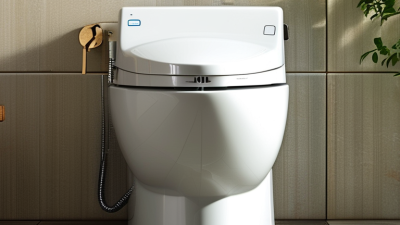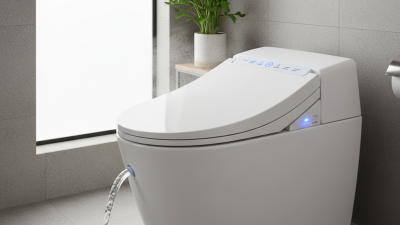
What Is a Compact One Piece Toilet? This guide examines a space-saving toilet designed with one integrated bowl and tank. Its seamless structure reduces visual clutter and simplifies daily cleaning. It can suit small bathrooms, powder rooms, apartments, and carefully planned renovations. However, “compact” does not mean miniature. Dimensions still vary widely between models.
Richard Trethewey, a plumbing and heating expert known for This Old House, has said, “A toilet must fit the room, serve the user, and remain serviceable.” That principle matters here. A Compact One Piece Toilet may offer a shorter projection, a lower-profile tank, or a narrower base. Each detail changes comfort and installation requirements. Measure the rough-in distance, doorway clearance, seat height, and side space before buying. A tape measure can prevent an expensive mistake.
The one-piece design has fewer exposed joints than many two-piece toilets. This can reduce crevices around the tank connection. It may also create a cleaner, more modern appearance. Yet the heavier body can make delivery and installation more difficult. Repair access deserves attention too. Some internal parts remain standard, while others require model-specific replacements.
A useful evaluation should consider flushing performance, water consumption, bowl shape, comfort, cleaning access, and warranty support. Marketing photos can mislead. A toilet may look compact but feel cramped in use. This guide will compare practical features, not just attractive dimensions. That distinction is easy to overlook.
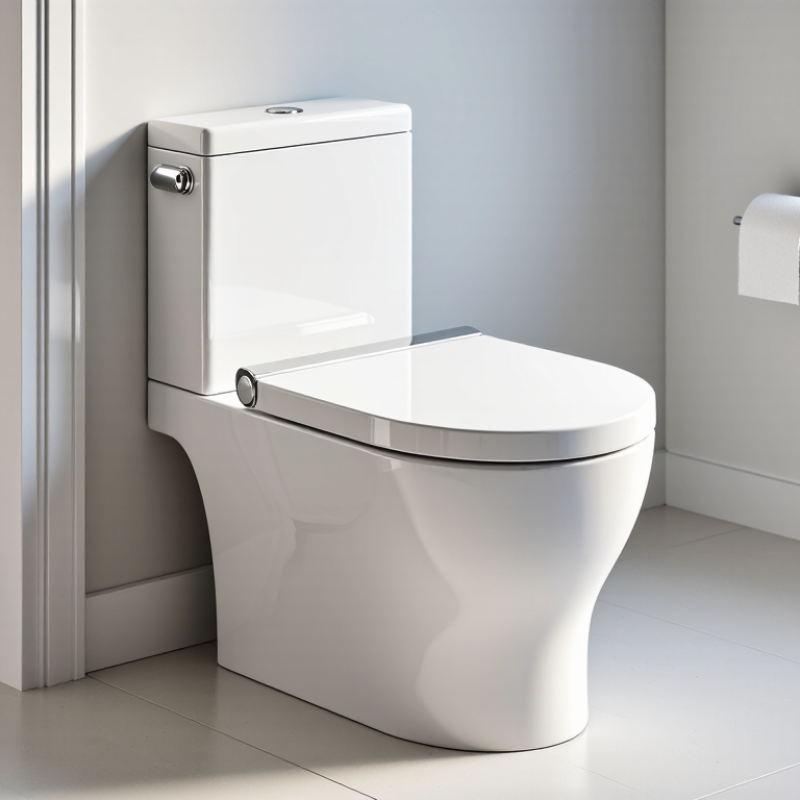
A compact one-piece toilet combines the bowl and tank into one molded ceramic unit. Its smaller design suits narrow bathrooms, guest rooms, and renovation projects with limited floor space. Unlike a two-piece model, it has no tank-to-bowl seam. This creates a cleaner appearance and fewer exposed joints where dust or moisture can collect.
Its core features include a short projection, a streamlined tank, and an integrated base. Many models use a concealed trapway, which makes cleaning easier. Some include dual-flush controls, soft-close seats, or raised seat heights. These features vary, so technical specifications matter more than appearance. Measure the rough-in distance, doorway width, and available clearance before ordering. A compact toilet still needs comfortable knee and elbow space.
Tips: Leave enough room for maintenance access. Check the water inlet position and waste outlet alignment. A smaller footprint does not always mean a smaller internal trapway. Ask a qualified plumber to confirm compatibility.
I once assumed that every compact toilet felt cramped. That assumption was too simple. A well-planned layout can feel open, even with reduced dimensions. However, very short bowls may feel less comfortable for taller users. Cleaning is usually easier, but the curved ceramic base can hide dust near the floor. Installation also demands care because the single-piece unit is heavier and harder to maneuver. Measure twice. Lift carefully.
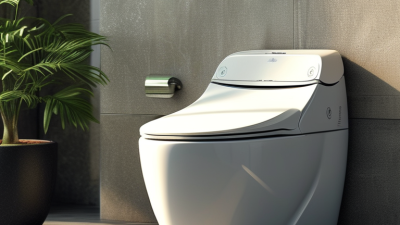
What Is a Compact One Piece Toilet?
A compact one piece toilet combines the tank and bowl into one molded unit. This integrated design removes the seam between separate components. The result is a shorter visual profile and fewer places for dust to collect. In a small bathroom, that matters. A model with a round bowl can reduce projection by several inches compared with an elongated version. Those inches may improve door clearance, walking space, or access beside a vanity.
The space-saving benefit is not only about floor area. A smooth, tank-to-bowl connection creates cleaner sightlines, making a narrow room feel less crowded. It also simplifies cleaning around the base and behind the tank. The U.S. Environmental Protection Agency’s WaterSense specification limits certified toilets to 1.28 gallons per flush, at least 20% below the federal 1.6-gallon standard. EPA estimates that replacing older toilets can save a household more than 13,000 gallons annually. Water efficiency supports compact planning, though flush performance still requires careful checking.
Measure carefully. Very compact models may sacrifice seat comfort or service access. Some have unusual tank shapes, and replacement parts may be less convenient to reach. That is easy to overlook. Before installation, compare the rough-in distance, bowl width, door swing, and wall clearance. Local plumbing requirements also vary. A compact one piece toilet saves space best when its dimensions match the room, not when it is simply the smallest available option.
A compact one-piece toilet combines the bowl and tank into one integrated unit. Its streamlined construction can reduce the front-to-back projection compared with many standard two-piece toilets, helping preserve usable floor space in smaller bathrooms.
The chart uses representative residential dimensions and compares approximate floor footprints calculated from toilet width × front-to-back depth. Actual dimensions vary by model and installation requirements.
A compact one-piece toilet combines the tank and bowl into one molded unit. Its smooth surface has fewer seams, so cleaning around the base is easier. The main types differ by bowl shape, flushing method, and installation style. Round bowls save more floor space, while elongated bowls offer extra sitting room. Gravity-flush models are simple and quiet. Pressure-assisted models can clear waste more forcefully, but they may create more noise.
Dimensions deserve careful attention. Many compact toilets measure about 25 to 29 inches from front to back. Their width often ranges from 14 to 16 inches. Height varies too, with comfort-height models reaching roughly 16 to 18 inches from the floor. Check the rough-in distance before ordering. A small error can prevent the toilet from sitting against the wall. Wall clearance, door swing, supply-line position, and user movement also affect the final layout.
Tips: Measure the finished floor, not the unfinished subfloor. Leave enough knee space in front. Choose round bowls for tight bathrooms. Select elongated bowls when comfort matters more. A dual-flush configuration may reduce water use, but its controls can feel less intuitive. I find that dimension charts sometimes hide the seat projection. Recheck the manufacturer’s technical drawing. It is easy to measure the tank and forget the lid.
A compact one-piece toilet combines the tank and bowl into one molded unit. Its smooth shape can save space and reduce areas where dust collects. Installation still requires careful measurements. Check the rough-in distance from the finished wall to the waste outlet. Confirm that the bowl leaves enough knee room and door clearance. Measure twice.
The bathroom floor must be level, solid, and dry before positioning the toilet. A damaged flange can cause movement or leaks, so inspect it before installation. The water supply line should reach the shutoff valve without sharp bends. Use a new sealing ring and tighten the floor bolts evenly. Do not overtighten them. Ceramic can crack under excessive pressure. Local plumbing rules may require an experienced, licensed professional, especially when the drain or supply line needs alteration.
Everyday maintenance is simple but should not be careless. Wipe the seat, hinges, and outer surfaces with a soft cloth and mild cleaner. Avoid abrasive powders and harsh chemical mixtures, which may damage finishes or seals. Clean the bowl regularly with a toilet-safe brush. Keep the flush area dry. I still recheck the supply connection after cleaning because small drips are easy to miss. A loose seat or rocking bowl needs attention immediately. Ignoring it can damage the floor over time. Ventilate the room, too; compact spaces hold moisture longer than expected.
What Is a Compact One Piece Toilet?
A compact one piece toilet combines the tank and bowl into one molded unit. Its smooth shape suits small bathrooms, powder rooms, and apartments with limited floor space. In practical use, the integrated design leaves fewer seams where dust and moisture collect. Cleaning feels easier, especially around the tank base. Many models also offer a shorter projection, leaving more knee room near a narrow door.
Benefits, Limitations, and Choosing the Right Model
The main benefit is efficient space use without a visibly crowded bathroom. The solid construction can also feel stable and easier to wipe down. However, compact models may provide less sitting space. Their smaller tanks can produce weaker flushing in poorly designed units. Repairs may be less convenient because the tank and bowl are not separate. Measure the rough-in, doorway clearance, seat height, and supply-line position before buying. A professional installer should also verify floor level and waste-pipe alignment. Small measurement errors become annoying every day.
Tips: Check the flush performance using independent test data, not only advertised claims. Choose a glazed, easy-clean surface and accessible replacement parts. Sit on a display model if possible. It may look perfect online, but comfort is personal. Also inspect the lid and hinges; loose hardware can make an otherwise good toilet feel cheap.
| Data Dimension | Typical Information | Why It Matters | What to Check Before Buying |
|---|---|---|---|
| Basic Definition | A compact one-piece toilet has an integrated bowl and tank formed as one unit. | The seamless construction gives the toilet a streamlined appearance and eliminates the tank-to-bowl connection. | Confirm that the product is genuinely one-piece rather than a two-piece toilet with a compact tank. |
| Typical Overall Width | Approximately 14 to 16 inches (36 to 41 cm). | A narrower profile can make better use of limited bathroom floor space. | Measure the available wall-to-wall space, including baseboard and side clearance. |
| Typical Projection | Approximately 24 to 28 inches (61 to 71 cm) from the finished wall. | Shorter projection helps preserve legroom and circulation in small bathrooms or powder rooms. | Compare the rough-in location, door swing, vanity position, and required rear clearance. |
| Typical Seat Height | Standard height is generally about 15 to 16 inches; comfort height is commonly around 17 to 19 inches from the floor to the seat surface. | Higher seating can make sitting down and standing up easier, while standard height may suit children and shorter users better. | Check the finished seat height, not only the bowl height, and consider the needs of all users. |
| Rough-In Compatibility | Many residential toilets use a 12-inch rough-in, but 10-inch and 14-inch configurations are also available. | The wrong rough-in dimension can prevent the toilet from fitting correctly against the wall. | Measure from the finished wall to the center of the floor outlet, excluding the baseboard. |
| Water Consumption | Common efficient models use 1.28 gallons per flush (GPF) or less; some standard models use up to 1.6 GPF. | Lower water use can reduce household consumption while maintaining normal flushing performance when properly designed. | Review the certified flush rating, local plumbing requirements, and the model's tested performance. |
| Flush Mechanism | Gravity-fed systems are common; pressure-assisted and dual-flush designs are also available. | The mechanism affects flushing force, noise, water use, and maintenance requirements. | Choose a mechanism suited to household preferences, water pressure, noise tolerance, and replacement-part availability. |
| Cleaning Benefits | The integrated exterior has fewer exposed seams and crevices than a traditional two-piece design. | Fewer joints can make routine wiping easier and reduce places where dust or residue may collect. | Look for a smooth glazed surface, accessible hinges, and a base shape that can be cleaned easily. |
| Installation Difficulty | Installation is similar to other floor-mounted toilets, but the combined unit is usually heavier and less flexible to position. | The weight and one-piece structure may require two people for safe lifting and alignment. | Check shipping weight, included hardware, supply-line location, and whether professional installation is recommended. |
| Repair Considerations | Internal parts such as fill valves, flappers, and flush valves are generally serviceable, but the tank and bowl cannot be separated. | Routine repairs are usually straightforward, while moving or replacing the complete unit can be more difficult. | Verify access to standard replacement parts and read the warranty terms for ceramic and mechanical components. |
| Durability | Vitreous china is the common ceramic material and can provide long service when installed correctly. | A single-piece ceramic body avoids a separate tank-to-bowl seal, but it can still crack if struck or overtightened. | Inspect the ceramic for defects, avoid excessive bolt tightening, and follow the installation instructions. |
| Space-Saving Features | Short projection, a rounded or compact elongated bowl, and a low-profile tank can reduce the visual and physical footprint. | These features are useful in powder rooms, en-suites, apartments, and other constrained layouts. | Balance compact dimensions with sufficient knee room, bowl comfort, and code-required clearances. |
| Main Benefits | Compact footprint, clean appearance, fewer exterior seams, and potentially easier surface cleaning. | The design combines practical space efficiency with a modern appearance. | Prioritize the benefits that matter most: footprint, comfort, cleaning, water efficiency, or appearance. |
| Main Limitations | Often heavier, commonly more expensive than basic two-piece models, and less convenient to handle during installation or replacement. | The integrated structure can increase delivery, lifting, and repair-related challenges. | Compare total cost, access to parts, installation labor, and the return policy before purchase. |
| Best Use Cases | Small bathrooms, guest bathrooms, apartment renovations, and layouts where a shorter projection is valuable. | A compact one-piece toilet can improve usable floor area without eliminating standard flushing functions. | Select a model only after confirming room measurements, rough-in size, user comfort, water efficiency, and installation access. |