Leave Your Message
Choosing a smart electric toilet in 2026 requires more than comparing prices and futuristic features. A reliable model should improve hygiene, comfort, water efficiency, and daily maintenance without creating unnecessary complexity. The phrase “Electric Toilet Smart” often describes advanced toilets with heated seats, bidet washing, warm-air drying, automatic flushing, odor control, and night lighting. However, features alone do not prove quality.
A practical evaluation begins with real bathroom conditions. Measure the toilet space carefully, including water connections, power access, seat height, and clearance near the wall. Check whether the model fits your household’s habits. A strong spray may suit one user but feel uncomfortable to another. Heated seats are pleasant during cold mornings, yet they may increase energy use. Touchless flushing sounds convenient, but sensors can respond poorly when positioning is awkward.
Look for clear specifications, dependable safety systems, and accessible after-sales support. Certifications, waterproof protection, child settings, manual controls, and easy-to-clean surfaces deserve close attention. Manufacturer claims should be compared with independent reviews and warranty terms. Some advertised functions may be impressive but rarely useful. That is worth questioning.
This guide will examine performance, installation, hygiene, comfort, electricity consumption, and long-term value. It will also highlight limitations that showroom demonstrations often hide. A smart toilet should simplify routines, not turn a basic bathroom fixture into a difficult appliance. Choose evidence over excitement, and leave room for personal comfort.
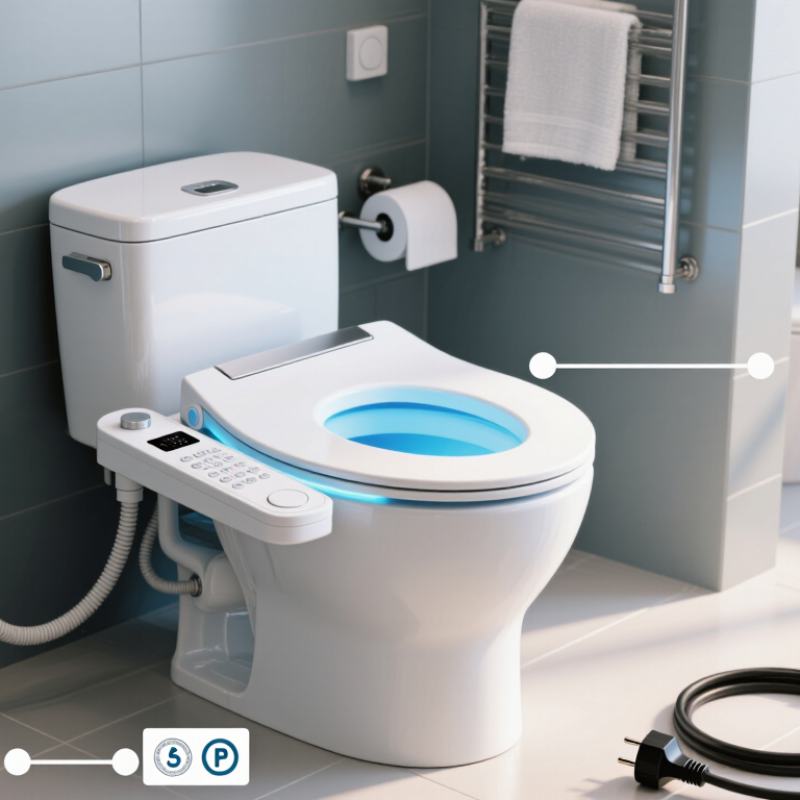
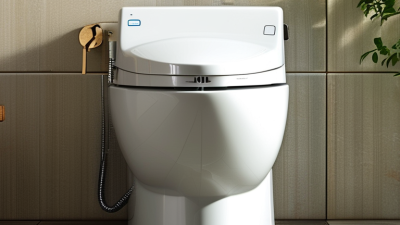
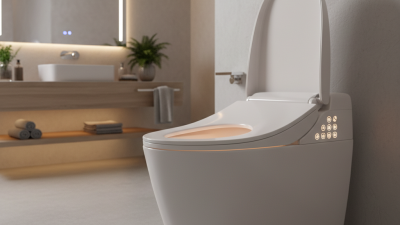
A smart electric toilet combines a toilet, bidet, control system, and powered comfort features in one fixture. Unlike a standard toilet, it needs electricity to operate its heated seat, adjustable water spray, warm air dryer, deodorizing fan, and automatic flush. Some models also include night lighting and user sensors.
Here is how it works. A sensor detects when someone sits down. The control panel then activates selected functions, while an internal heater warms water for cleansing. A small nozzle extends, sprays water, and retracts for self-cleaning. Water pressure, spray position, and temperature can usually be adjusted. The dryer follows, although it may feel slower than expected. The flush valve uses stored water or direct supply pressure, depending on the design.
When choosing a model in 2026, check the electrical load, water pressure range, nozzle cleaning method, and emergency manual flush. Bathroom circuits should include suitable protection and follow local installation requirements. Look for clear technical specifications and independent safety testing. I once assumed more settings meant better hygiene. That was not always true. Easy-to-clean surfaces and dependable controls often matter more than dozens of buttons. A nearby service channel also matters, especially if the lid, sensor, or heating unit fails. Test the control layout before buying. Wet hands can make tiny touch controls frustrating.
| Selection Dimension | What It Means | Typical Technical Data or Options | What to Check Before Buying |
|---|---|---|---|
| Definition | Smart electric toilet | A toilet that uses electricity to operate functions such as bidet washing, warm-air drying, heated seating, deodorization, automatic flushing, lighting, and electronic controls. | Confirm whether the product is a complete toilet or an electronic seat that must be installed on an existing bowl. |
| How It Works | Integrated control system | A control panel, side buttons, or remote sends signals to valves, pumps, heaters, sensors, and the flushing mechanism. | Choose controls that are easy to reach, clearly labeled, and usable without a mobile application if preferred. |
| Water Connection | Supply and filtration | The toilet connects to the household cold-water line. A built-in filter may reduce sediment before water reaches the washing nozzle. | Check the inlet size, water-pressure requirement, shut-off valve location, and whether replacement filters are available. |
| Washing System | Adjustable bidet spray | Common adjustments include spray position, water pressure, oscillation, and water temperature. Separate front and rear washing settings are often available. | Look for self-rinsing nozzles, adjustable spray position, hygienic nozzle materials, and user presets when multiple people share the toilet. |
| Water Heating | Instant or tank heating | Instant heaters warm water as it flows; tank systems store a limited volume of warm water. Instant systems generally provide a longer continuous wash, while tank systems may have lower peak electrical demand. | Compare continuous washing time, temperature stability, heater power, and the manufacturer’s safety certification. |
| Seat Heating | Comfort and energy use | Electric heating elements warm the seat. Temperature settings commonly range from low to high rather than using a single fixed temperature. | Prefer adjustable temperature, an energy-saving mode, and a seat sensor that disables heating when the toilet is unoccupied. |
| Drying | Warm-air dryer | A fan moves heated air over the user after washing. Drying time and comfort depend on air temperature, airflow, and user positioning. | Check whether air temperature and fan speed are adjustable and whether the dryer can be disabled for users who prefer toilet paper. |
| Sensors | Occupancy and safety detection | Seat or presence sensors can activate the system only when occupied and can prevent accidental spraying or flushing. | Confirm sensor response, child-safety behavior, and whether the lid, seat, and flush functions can be operated manually during a power outage. |
| Flushing | Electronic or automatic flush | Depending on the design, flushing may use a motorized valve, pump-assisted system, or conventional tank mechanism. Flush volume varies by model and local plumbing requirements. | Check flush performance, minimum water pressure, water-efficiency labeling, manual flush backup, and compatibility with the existing drain connection. |
| Water Efficiency | Flush and wash consumption | Water use includes both each flush and the bidet wash cycle. Actual consumption depends on flush mode, wash duration, spray flow, and user settings. | Review certified flush-volume data rather than relying only on an “eco” label. Verify compliance with local water-efficiency requirements. |
| Electrical Requirements | Power supply | Most units require a nearby grounded electrical outlet. Heating the water and seat usually creates the highest electrical load. | Match the rated voltage and frequency to the home supply. Use a properly grounded, code-compliant outlet with residual-current protection where required by local regulations. |
| Power Consumption | Operating cost | Energy use varies widely with seat temperature, water-heating method, ambient temperature, user frequency, and standby settings. | Compare rated input power, standby consumption, energy-saving schedules, and estimated annual energy use under a stated test condition. |
| Hygiene | Cleaning and odor control | Common hygiene features include nozzle rinsing, removable or cleanable nozzles, bowl surface treatments, pre-wetting, and activated-carbon deodorization. | Confirm which parts are removable, how filters are replaced, whether cleaning agents are permitted, and how often manual cleaning is required. |
| Lid and Seat | Durability and usability | Features may include soft closing, quick-release hinges, a heated seat, night lighting, and a load rating for the seat. | Measure the bowl shape, mounting-hole spacing, seat length, clearance to the wall, and available space before installation. |
| Noise | Bathroom comfort | Noise can come from the flush valve, pump, fan, deodorizer, and automatic lid motor. Noise levels differ by operating mode. | Look for separately stated sound data for flushing, drying, deodorization, and lid movement instead of one general noise claim. |
| Installation | Plumbing and electrical fit | Installation may require a water inlet, drain connection, grounded outlet, adequate clearance, and sometimes a dedicated electrical circuit. | Have a qualified installer verify plumbing dimensions, outlet position, circuit capacity, ventilation, and local building-code requirements. |
| Power Failure | Emergency operation | Without electricity, electronic washing, heating, drying, sensors, and automatic functions may stop. Some models provide a manual flush or emergency flushing procedure. | Choose a model with clearly documented manual flushing and keep the shut-off valve accessible. Do not assume every smart toilet has battery backup. |
| Controls | Remote, side panel, or app | Controls may include a wireless remote, built-in side panel, wall-mounted controller, or optional connected functions. | Prioritize physical controls for essential functions. Check battery type, water resistance, button labeling, and whether app connectivity is optional. |
| Safety | Electrical and thermal protection | Important protections may include leakage protection, overheat protection, temperature limits, child lock, and automatic shutoff. | Look for recognized electrical safety certification applicable to the installation country and follow all grounding and bathroom-zone requirements. |
| Maintenance | Long-term ownership | Routine care may include cleaning the bowl and nozzles, replacing filters, checking seals, and descaling where hard water is present. | Review filter availability, descaling instructions, replacement-part support, cleaning restrictions, and service access before purchase. |
| Best Choice for 2026 | Balanced feature set | A practical choice combines stable washing temperature, reliable flushing, adjustable seat heating, useful sensors, low standby use, easy cleaning, and documented safety compliance. | Compare verified specifications, installation requirements, warranty terms, maintenance cost, and real household needs instead of choosing by feature count alone. |
Note: Technical specifications vary by model and region. Always confirm the installation manual, electrical rating, water-pressure range, flush volume, safety certification, and local plumbing requirements before purchase.