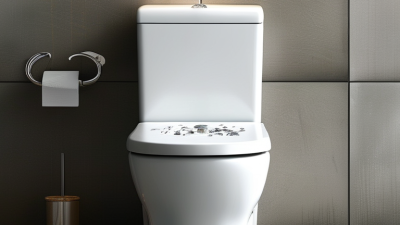
Smart Toilet Lid Benefits and Features for Global Buyers?
The growing popularity of Smart Toilet Lid technology reflects a shift in modern bathroom innovations. According to a recent report by Market Research Future, the smart toilet lid market is expected to reach $2 billion by 2025, showcasing a significant interest from global buyers. These lids offer features such as self-cleaning, heated seats, and even integrated bidet functions, enhancing personal comfort and hygiene.
Industry expert Dr. Alice Carter states, "Smart Toilet Lids are not just a trend; they represent the evolution of bathroom convenience." This expert perspective highlights the importance of these products in today's hygiene-conscious society. As more consumers become aware of personal wellness and sustainability, the demand for smart toilet lids continues to rise.
However, challenges remain. The higher price point can deter some buyers. Many consumers still question the practicality of these features. A balance between luxury and necessity must be struck. As we explore the benefits and features, it's essential to consider both user experience and the environmental impact of this emerging technology.
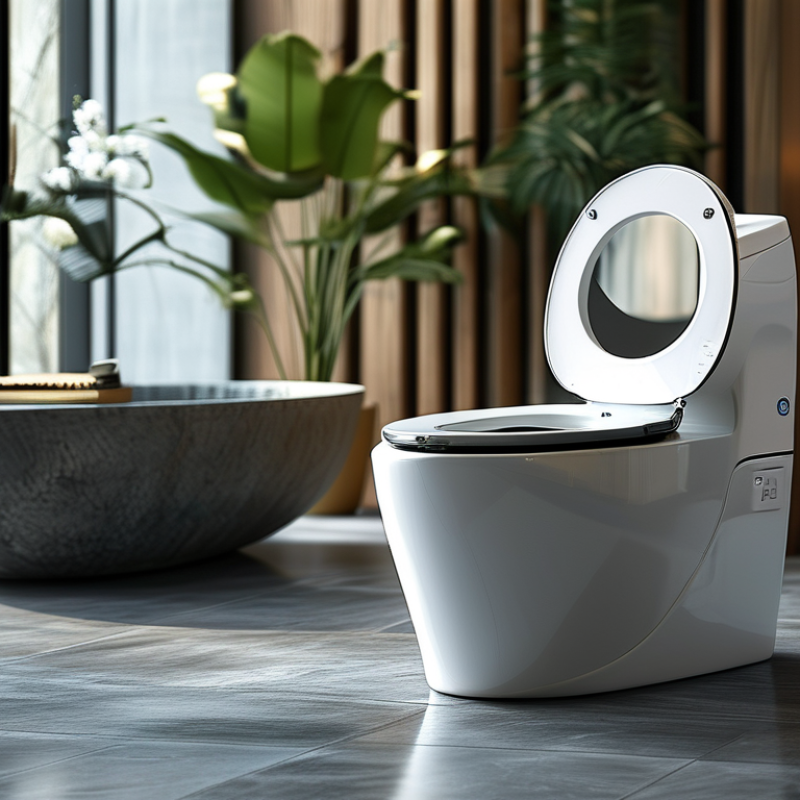
Benefits of Smart Toilet Lids for Modern Bathrooms
Smart toilet lids are transforming modern bathrooms into smart, efficient spaces. These innovative features offer numerous benefits that cater to today's lifestyle demands. Enhanced hygiene is a core advantage. Many smart lids come with self-cleaning functions, reducing the risk of bacteria build-up. This creates a more sanitary environment, essential for family health.
Comfort is another major factor. Most smart toilet lids allow temperature control for heated seating. Imagine sitting down on a warm lid during winter mornings—it’s a delightful experience. Some models even have adjustable water sprays and air dryers, promoting a personalized bathroom experience. However, the complexity of these features can be daunting for some users.
Installation and maintenance can also present challenges. Users must ensure compatibility with their existing toilet designs. Regular updates to software and cleaning mechanisms are necessary to keep them functioning optimally. Despite these considerations, the convenience and luxury of smart toilet lids make them an attractive choice for contemporary homes. Balancing technological benefits and practical concerns is crucial for any future buyer.
Smart Toilet Lid Benefits and Features for Global Buyers
| Feature |
Benefit |
| Heated Seat |
Provides comfort and warmth during cold weather. |
| Automated Lid Opening |
Enhanced hygiene and convenience, reducing the need to touch surfaces. |
| Bidet Functionality |
Improves personal hygiene and reduces the use of toilet paper. |
| Night Light |
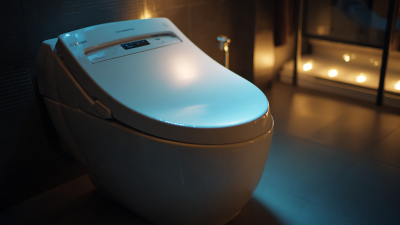
Guides users to the toilet in the dark, improving safety. |
| Water Saving Technology |
Reduces water usage, contributing to environmental sustainability. |
| Self-Cleaning Features |
Maintains hygiene and reduces maintenance time. |
| Smartphone Connectivity |
Allows customization of settings and monitoring of usage patterns. |
Key Features of Smart Toilet Lids You Should Know
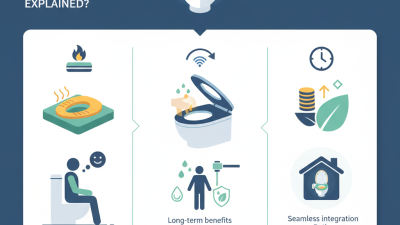
Smart toilet lids are becoming increasingly popular among homeowners. They offer innovative features that enhance personal hygiene and comfort. One major feature is the heated seat function. This provides a warm and cozy experience, especially during cold mornings. Additionally, many smart lids come with adjustable water temperature and pressure settings. Users can customize their experience for maximum cleanliness.
Another noteworthy feature is automatic lid opening and closing. This hands-free design promotes better sanitation. It minimizes the chances of germ transfer by reducing contact with surfaces. Many models also include bidet functions, which use a gentle stream of water for effective cleaning. Users often find this more comfortable and better for their health compared to traditional methods.
Some smart toilet lids even incorporate air dryers. This adds another layer of convenience, reducing the need for toilet paper. However, it’s important to consider the learning curve associated with these features. Users might initially feel overwhelmed by the settings and controls. Experimenting with various functions can prove beneficial, as it allows users to find their preferences. Adapting to a smart toilet lid may require time and patience, but it ultimately contributes to a cleaner and more enjoyable bathroom experience.
Comparative Analysis: Smart Toilet Lids vs. Traditional Toilet Seats
Smart toilet lids are revolutionizing hygiene in bathrooms worldwide. Compared to traditional toilet seats, they offer superior features such as heated seats, bidet functions, and automated cleaning systems. According to industry reports, sales for smart toilet lids have increased by over 30% in recent years. This change indicates a growing consumer interest in hygiene and convenience.
Traditional toilet seats often lack essential hygiene features. They might not be easily cleanable, and they can harbor bacteria in hard-to-reach areas. In contrast, smart toilet lids promote a cleaner bathroom environment. Their self-cleaning functions and built-in sanitizers reduce the risk of infections. However, while these advanced features are beneficial, they also come at a higher price point, which can deter some buyers.
Tips for buyers: Consider the initial investment versus long-term benefits. Research different models and their specific functions. Simple features like adjustable water temperature or air dryers can enhance comfort. Remember, a smart purchase can lead not only to personal comfort but also to improved health outcomes. While smart toilet lids excel in hygiene, they may require more maintenance than traditional seats, presenting an opportunity for reflection for potential users.
Health and Hygiene Advantages of Using Smart Toilet Lids
The health and hygiene advantages of smart toilet lids can significantly impact daily life. Smart toilet lids often include features like automatic flushing, heated seats, and built-in bidets. According to a report by the International Journal of Environmental Health Research, proper sanitation can reduce the risk of waterborne diseases by up to 32%. This is vital in promoting better hygiene practices.
Additionally, smart toilet lids provide a more hygienic alternative to traditional toilet paper. Studies show that up to 70% of individuals prefer water cleaning methods due to their effectiveness. Many smart toilets also incorporate self-cleaning mechanisms. These features eliminate bacteria and reduce the need for harmful cleaning products.
However, despite these benefits, some consumers express skepticism about the technology. They worry about maintenance costs and the longevity of features. Regular updates and support are crucial for user confidence. Furthermore, not everyone feels comfortable transitioning from conventional toilets to smart ones. The shift may require a change in mindset about personal hygiene practices.
Global Market Trends and Consumer Preferences for Smart Toilet Lids
The smart toilet lid market is expanding rapidly. According to recent industry reports, the global market is projected to grow at a CAGR of 8.5% from 2023 to 2030. This surge is driven by rising consumer interest in luxury and hygiene. The demand for smart toilet lids is not only about comfort but also about health and sanitation. More consumers seek these advanced features, which often include self-cleaning technologies and improved air purification.
Consumer preferences vary across regions, with functionality being a top priority in North America and Asia. Data shows that about 65% of buyers prioritize health benefits. Features such as heated seats and bidet functions are highly valued. However, the integration of tech in bathroom fixtures can pose challenges. Many consumers express concerns about maintenance and the reliability of smart features. Reports indicate that 30% of users feel overwhelmed by tech complexities, leading to dissatisfaction.
Yet, the pursuit of innovation continues. Smart lids are now incorporating advanced sensors for better user experience. They offer personalized settings, adjusting to individual needs. As technology evolves, there is a delicate balance between comfort and potential technical issues. Buyers need to weigh these aspects carefully when choosing a smart toilet lid for their home.
Smart Toilet Lid Benefits and Features