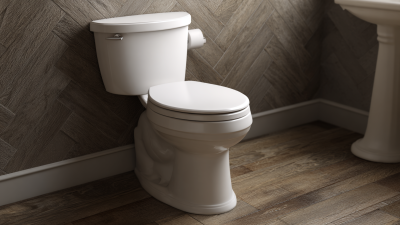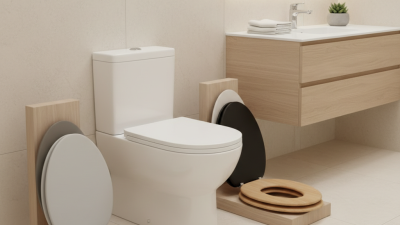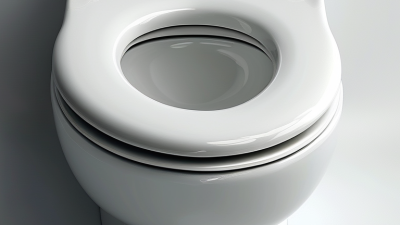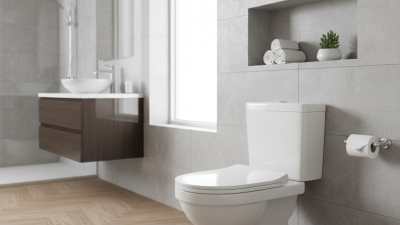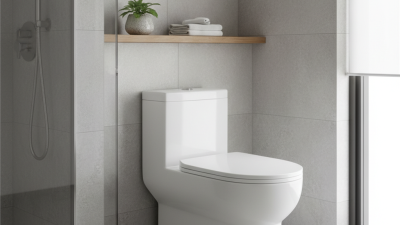
Choosing a toilet for an international bathroom project involves more than checking its appearance. Bowl height, trapway design, flushing performance, and installation space can affect daily comfort and long-term maintenance. This guide introduces the Top 10 One Piece Chair Height Toilets for Global Buyers, with practical details for homes, hotels, apartments, and accessible bathroom upgrades.
A One Piece Chair Height Toilet usually offers a taller seating position, helping many adults sit down and stand up with less knee strain. Its integrated tank and bowl create fewer exposed joints, which can simplify cleaning around the base. Look for a seat height near 17 to 19 inches, but confirm the complete measurement before ordering. Small differences matter.
The comparison considers rim shape, water usage, rough-in dimensions, flush controls, glaze quality, and installation requirements. Manufacturer specifications provide the starting point, while installer experience reveals useful details about alignment, supply connections, and replacement parts. Water pressure varies between regions. A powerful flush in one home may perform differently elsewhere. This point deserves more attention.
Some models may look impressive online but provide limited technical documentation. That is a warning sign, not an automatic rejection. Buyers should verify certification, warranty coverage, drain compatibility, packaging protection, and local service support before purchase. No single toilet suits every bathroom. Compact rooms may need a shorter projection, while taller users may prefer additional seat elevation. The following selections aim to make that decision clearer, while recognizing that real installation conditions can challenge even strong product claims.
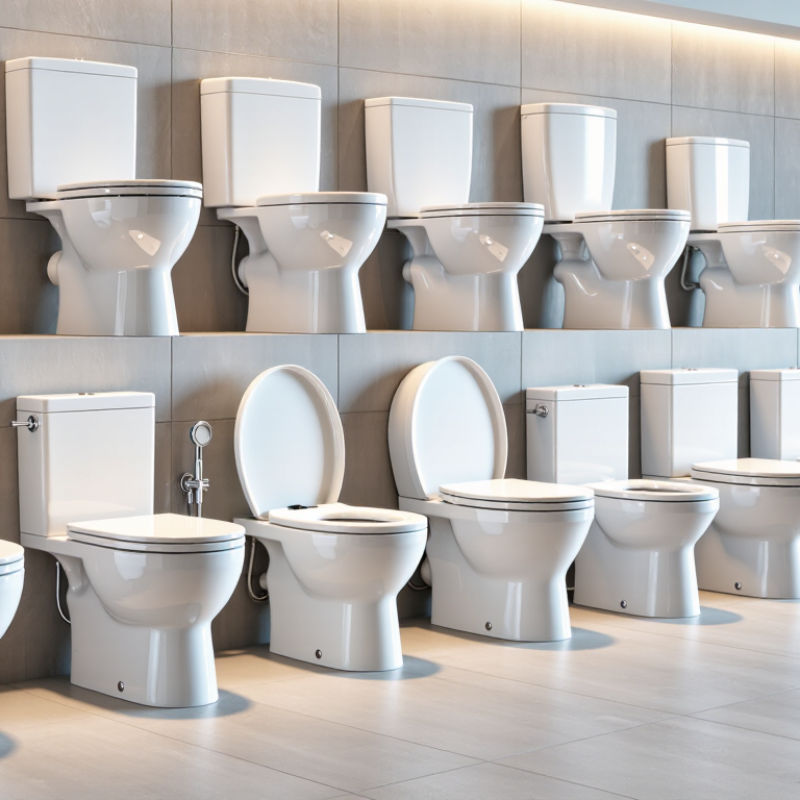
A one-piece chair-height toilet combines the tank and bowl into one continuous ceramic body. Its seat usually measures about 17 to 19 inches from the floor. This height resembles a standard chair. It can reduce knee strain and make sitting or standing easier for many adults. However, “chair-height” is not a universal measurement. Seat thickness and floor level can change the final height.
For global buyers comparing the top 10 options, construction details matter more than appearance. Look for a glazed trapway, a stable seat, and a flush system tested for consistent waste removal. The smooth one-piece surface has fewer joints, so dust and bacteria have fewer hiding places.
That sounds ideal. Yet the heavier design may require two people during installation. Confirm the rough-in distance, water inlet position, bowl projection, and available bathroom clearance before ordering.
In real bathroom planning, I once focused on seat height and overlooked door clearance. That mistake made the toilet comfortable but awkward to access. A reliable evaluation should include sitting comfort, cleaning effort, flushing performance, and repair access. Water-saving models may use less water per flush, but local plumbing conditions can affect performance. Read the technical sheet carefully. Small measurements matter.
Choosing among the top 10 one-piece chair height toilets requires more than comparing appearance. Measure the bathroom first. Check the rough-in distance, outlet direction, and door clearance before ordering. Chair height usually supports easier sitting and standing, but a taller bowl may feel uncomfortable for shorter users. Compare the seat height in millimeters, not just marketing terms.
Flush performance deserves careful testing. Look for an efficient flush, a glazed trapway, and accessible cleaning areas. A wider opening can reduce clogging risks, while a concealed trapway simplifies daily cleaning. Check water consumption against local plumbing rules. Global buyers should also verify inlet fittings, voltage-free operation, certification documents, and installation instructions. Documentation is not exciting, but missing parts create expensive delays. From practical installation experience, one-piece toilets are stable, yet their weight can make delivery and positioning difficult.
Tips: Confirm the rough-in with a tape measure. Compare the full toilet dimensions, not only the bowl. Ask for spare seals and compatible replacement parts. Read independent user reports carefully. They often reveal seat movement, weak flush buttons, or difficult cleaning points. A soft-close seat is useful, but it should not outweigh poor flushing. I would also request a real technical drawing. Product photos can hide awkward pipe angles.
For global buyers, the top 10 one-piece chair-height toilet options include compact round-bowl, elongated-bowl, slim-back, skirted, dual-flush, low-water, easy-clean, bidet-ready, heated-seat-ready, and accessible-height designs. Each option offers a different balance of comfort, cleaning, space, and installation needs. Chair-height models usually measure about 17 to 19 inches from the finished floor to the seat. Measure carefully. A thicker seat can change the final height.
EPA WaterSense specifications require efficient toilets to use no more than 1.28 gallons per flush and remove at least 350 grams during standardized testing. The U.S. Environmental Protection Agency also reports that toilets represent nearly 30% of indoor household water use. NKBA’s 2024 Design Trends Research Report highlights easier cleaning and accessibility as continuing bathroom priorities. These findings support skirted bowls, comfort-height seating, and verified flushing performance. Still, a stylish shape does not guarantee strong waste removal.
Tips: Check the MaP performance score before buying. Confirm the rough-in distance, inlet location, bowl projection, and local certification requirements. A common 12-inch rough-in is not universal. For international projects, verify voltage needs for smart features. One practical concern remains: concealed trapways look cleaner, but repairs may be less convenient. Do not trust photographs alone. Measure the finished floor, door swing, and supply line position before ordering.
A chair-height toilet usually measures 17 to 19 inches from the floor to the seat. This height can reduce knee strain for older users and taller adults. Measure the finished floor, not the unfinished subfloor. A thicker tile layer may raise the final height unexpectedly. Check the rough-in distance from the finished wall to the waste outlet. Twelve inches is common, but global plumbing layouts differ. Never assume it will fit. Confirm the toilet’s width, depth, and tank clearance before ordering. Bathroom doors, vanity edges, and nearby shelves can create tight access points. One-piece designs are often heavy, so two installers should carry and position them safely. The floor must be level, or the bowl may rock after installation.
Tips: Keep the installation sheet nearby. Verify the water inlet side, connector size, waste outlet shape, and seat bolt spacing. Use a certified supply connector suitable for local water pressure. Check local plumbing requirements before purchase. Compatibility with a bidet seat also needs careful review, especially around electrical access and mounting space. A simple cardboard footprint can reveal clearance problems before delivery. It sounds basic, but it works. Even careful measurements can fail when walls are not square. Recheck every dimension after tiling, and allow access for future maintenance.
A one-piece chair-height toilet usually measures 430–485 mm from floor to seat. This range supports easier transfers, especially for older users and people with limited mobility. In the United States, accessible installations commonly target 17–19 inches under ADA guidance. European buyers should check EN 997 performance requirements, while Canadian projects may reference CSA B45.1. Australia often requires AS 1172 compliance. Local approval matters more than attractive specifications.
Maintenance differs by region. Hard-water areas can restrict flush passages and stain glazed surfaces. A wider trapway helps, but it does not remove cleaning needs. One-piece construction reduces joints and leak points, yet repairs may be less convenient. The WHO and UNICEF Joint Monitoring Programme reported that 3.5 billion people lacked safely managed sanitation in 2022. This figure reminds buyers that reliable water use and sanitation performance are not minor details. Water-saving models should still meet regional flush-performance testing. I would not rank toilets by height alone. Installation quality changes the real result.