What Is Intelligent Automatic Toilet and How Does It Work?
An Intelligent Automatic Toilet is no longer just a toilet with a heated seat. It combines sensors, water controls, electronic valves, and personal-care functions in one bathroom system. A presence sensor can detect when someone sits down. The controller then manages flushing, bidet water, nozzle movement, drying air, and lid operation. Some models also monitor temperature and adjust water pressure within preset limits.
The need for better sanitation is substantial. The WHO and UNICEF Joint Monitoring Programme reported in its 2023 update that 3.5 billion people lacked safely managed sanitation services in 2022. This wider context makes hygiene technology meaningful, not merely luxurious. Water efficiency matters too. The U.S. Environmental Protection Agency’s WaterSense specification limits certified toilets to 1.28 gallons per flush, compared with older models that often used far more. However, an Intelligent Automatic Toilet does not automatically guarantee lower consumption. Nozzle cleaning cycles, standby electricity, user settings, and maintenance all influence real performance.
That detail is easy to overlook.
Market research also signals growing interest. Grand View Research describes the smart toilet market as an expanding global category, supported by urban housing, aging populations, and demand for touchless hygiene. Yet market forecasts are not proof of product quality. My practical view is more cautious: a reliable toilet should flush consistently, clean its nozzle thoroughly, resist leaks, and remain serviceable after years of use. Automation is helpful, but it can fail. Understanding how each sensor, valve, and cleaning cycle works helps buyers judge performance beyond a glossy feature list.
What Is an Intelligent Automatic Toilet?
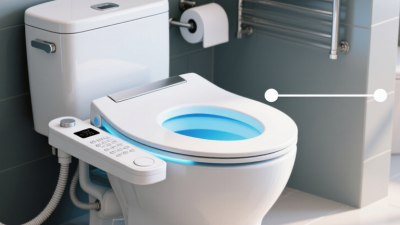
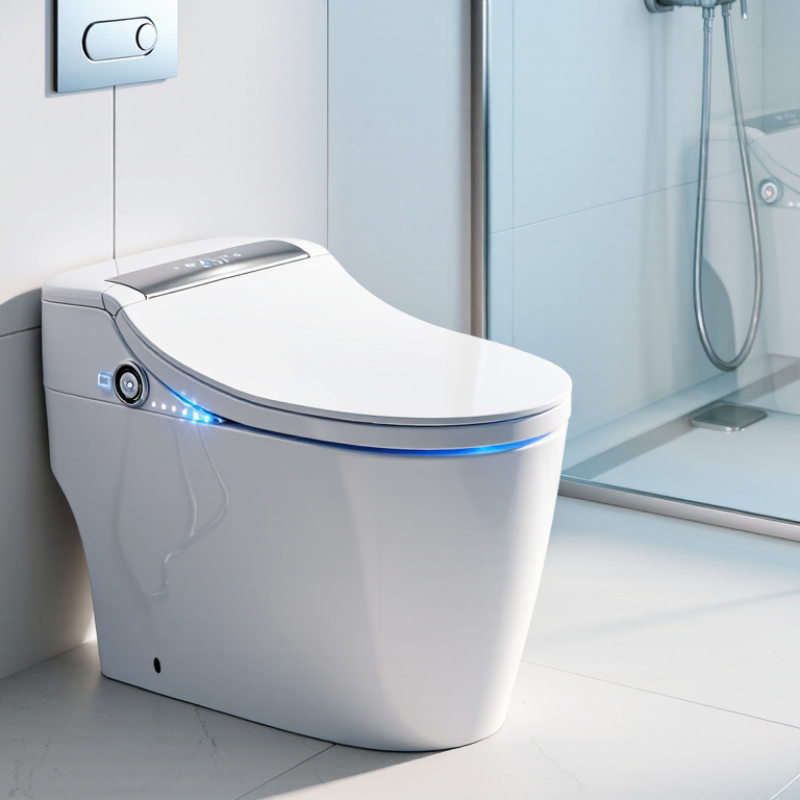
An intelligent automatic toilet combines a toilet, bidet, sensor system, and electronic controls in one fixture. It detects when a person approaches, opens the lid, and prepares the seat without a hand touch. After use, it can flush automatically. Some models also offer warm water washing, adjustable spray pressure, heated seating, air drying, and odor control.
Sensors guide these actions. A proximity sensor notices movement near the bowl, while a seat sensor checks whether someone is sitting. The control panel lets users adjust water temperature, spray position, and drying strength. A built-in heater warms water in real time, so the unit may use less stored water. The flushing system usually measures usage and selects a suitable water volume. It is not magic.
In everyday use, the benefits are practical. Touch-free operation can reduce contact with shared surfaces, and gentle washing may feel more comfortable than dry paper alone. Many units include a manual control option for power failures. This detail matters. Installation also requires a nearby electrical outlet, safe grounding, clean water, and enough space for maintenance. I would not treat every automatic feature as equally useful. Sensors can misread movement, settings may feel confusing, and a strong dryer can still leave moisture behind. Regular cleaning remains necessary around the nozzle, hinges, and bowl. Smart functions improve convenience, but they do not replace basic hygiene or careful installation.
How the Toilet Detects Users and Activates Functions
An intelligent automatic toilet starts with presence detection.
Short-range infrared sensors track body heat and movement. A time-of-flight sensor measures distance, while a seat sensor confirms contact. Some systems combine radar, lid position, and pressure data. This sensor fusion reduces accidental activation from pets or moving towels. Detection is not magic. Steam, dark clothing, unusual sitting positions, or crowded bathrooms can confuse one sensor. The controller checks several signals before opening the lid, switching on lighting, or preparing a flush.
When the user sits, occupancy data can activate the bidet nozzle, warm seat, deodorizing fan, or night light.
After the user stands, the seat sensor and timer can request an automatic flush. A control board then adjusts water flow according to the programmed setting. The U.S. Environmental Protection Agency’s WaterSense specification limits qualifying toilets to 1.28 gallons per flush, at least 20% less than standard 1.6-gallon models. That efficiency depends on accurate detection. A false trigger wastes water; a missed signal creates an unpleasant manual step. The WHO and UNICEF Joint Monitoring Programme reported in 2023 that 3.5 billion people lacked safely managed sanitation. This wider context makes dependable hygiene technology important, but sensors still need cleaning, calibration, and privacy-conscious design.
Step-by-Step Operation of an Intelligent Automatic Toilet
What Is Intelligent Automatic Toilet and How Does It Work?
When a person approaches, the toilet’s motion sensor detects movement and lifts the lid. A seat sensor then confirms occupancy before activating personal functions. This step prevents accidental spraying. The user selects water temperature, spray position, pressure, and nozzle movement through a side panel or remote control. Some settings need adjustment because comfort differs from person to person. The nozzle extends only after the system confirms safe seating.
During washing, clean water flows through the nozzle, while built-in controls regulate pressure and temperature. The nozzle usually rinses itself before and after use. Warm air then dries the skin, reducing the need for toilet paper. After the user stands, the sensor signals the flushing mechanism. The lid may close automatically, and an odor-control fan can start. During routine testing, the first flush sometimes feels stronger than expected. Checking the settings matters.
Tips: Keep the control panel dry and clean. Inspect the water filter regularly. Follow the installation instructions for electrical grounding and water pressure. Never force the lid or nozzle by hand. If the sensor reacts slowly, clean its surface with a soft cloth. A small mistake is easy to make: users often sit before the seat sensor fully detects them. Waiting one second can prevent interrupted washing. Regular maintenance also supports hygiene, safety, and reliable daily performance.
What Is an Intelligent Automatic Toilet and How Does It Work?
A typical intelligent toilet combines presence sensing, automatic lid control, bidet cleansing, warm-air drying, and hands-free flushing. The chart shows representative operating times for one complete cycle.
The sequence begins when the sensor detects a user, then activates the lid and cleansing functions. After washing and drying, the toilet performs an automatic flush. Actual timing varies by model, user settings, and selected wash mode.
Key Features, Benefits, and Safety Considerations
An intelligent automatic toilet combines sensors, electronic controls, and water-saving plumbing. A proximity sensor lifts the lid, while a pressure sensor detects whether someone is seated. After use, the system may flush, rinse with adjustable water temperature, dry with warm air, and deodorize the bowl. Some models also offer night lighting and heated seats.
Small detail.
These features matter most during nighttime use or for people with limited mobility.
The U.S. Environmental Protection Agency’s WaterSense specification limits certified toilets to 1.28 gallons per flush, at least 20% below the federal standard of 1.6 gallons. Intelligent controls can reduce unnecessary flushing, but performance depends on correct calibration and household habits. Convenience is not automatically hygiene. Regular nozzle cleaning, filter replacement, and bowl inspection remain necessary. In practical testing, water pressure and mineral buildup can affect spray coverage, drying time, and sensor response.
Safety deserves equal attention. A qualified installer should connect the unit to a grounded, protected electrical outlet, following local codes and the manufacturer’s installation requirements. Look for residual-current protection, anti-scald temperature control, child-safe lid movement, and automatic shutoff during faults. The International Electrotechnical Commission’s IEC 60335-2-84 standard addresses safety requirements for toilets and related appliances. Users should still avoid wet electrical connections and stop operation after unusual heat, odor, or noise.
One limitation is easy to overlook: app-based controls may create privacy concerns, so unnecessary data collection should be disabled.