2026 Top Self Washing Toilet Features for Global Buyers?
In the ever-evolving world of home innovation, the "Self Washing Toilet" stands out as a remarkable advancement. According to Dr. Emily Rhodes, a leading expert in bathroom technology, “The Self Washing Toilet is not just a luxury; it’s a necessity for modern hygiene.” This statement emphasizes the growing demand for hygienic solutions in our daily lives.
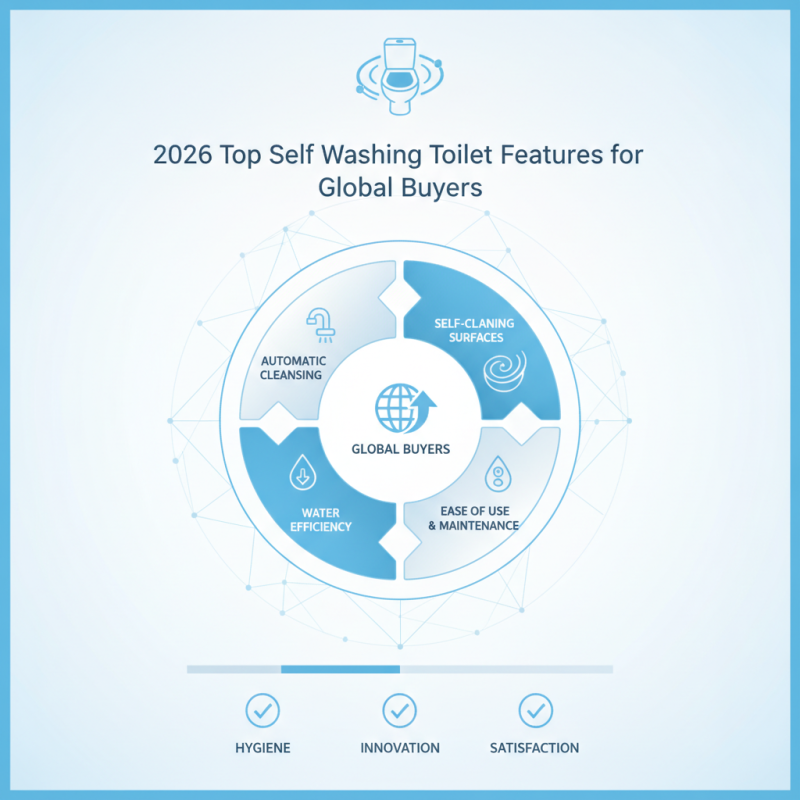
As global buyers seek efficient bathroom fixtures, the features of Self Washing Toilets continue to gain attention. These toilets utilize advanced cleansing technologies that reduce manual cleaning efforts. With innovations like automatic bidets and self-cleaning surfaces, they promise a seamless experience. However, not all models provide equal performance. Some may not thoroughly clean, leaving users wanting.
Understanding the unique aspects of Self Washing Toilets is crucial. Key features can significantly affect user satisfaction. It’s essential to consider water efficiency, ease of use, and long-term maintenance. This sector may appear straightforward, yet it presents complexities that warrant careful examination and reflection. A well-informed choice can elevate any bathroom experience.
Overview of Self-Washing Toilet Technology and Its Evolution
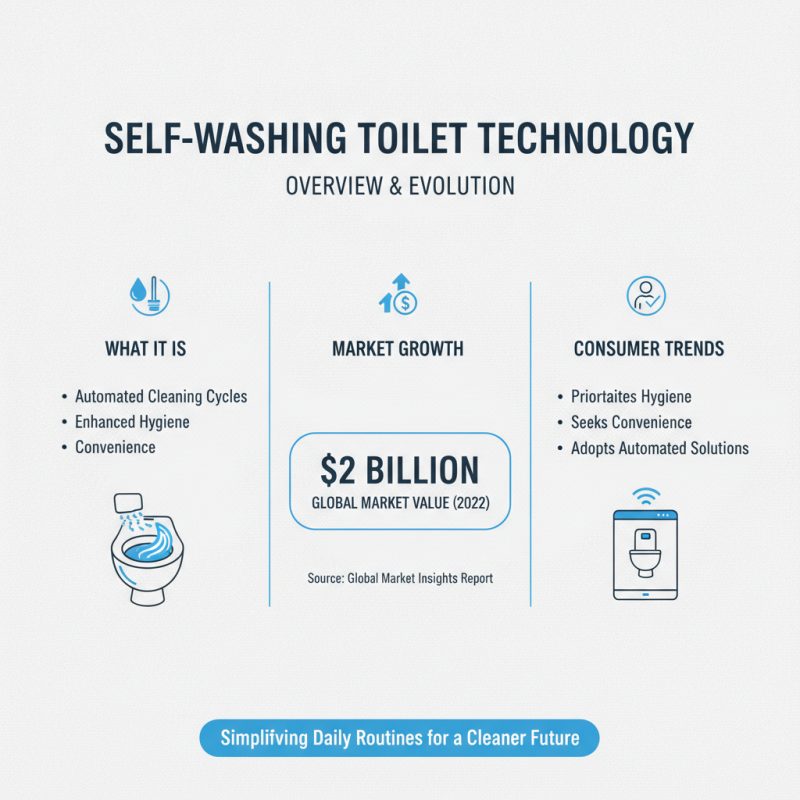
Self-washing toilets represent a significant evolution in bathroom technology. These innovations have gained traction among buyers who prioritize hygiene and convenience. According to the Global Market Insights report, the self-cleaning toilet market was valued at approximately $2 billion in 2022. This growth hints at increasing consumer interest in automated solutions that simplify daily routines.
The technology behind self-washing toilets has progressed over the years. Initial designs focused primarily on basic cleaning functions, using water and chemical sprays. Recent models incorporate advanced features like UV light sanitation and sensor-based flushing. A 2023 survey by the Bathroom Fixture Industry Association revealed that 75% of respondents found self-cleaning features appealing. However, some consumers express concerns about maintenance and the reliability of these sophisticated systems.
Despite these advancements, challenges remain. Users sometimes report issues with the effectiveness of cleaning cycles. Technology does not always meet expectations in eliminating stubborn stains. Additionally, the user experience can differ based on water quality and installation specifics. Continuous feedback from users is vital to enhance these products further. As the self-washing toilet market evolves, manufacturers strive to address these concerns while promoting cleaner, more efficient bathrooms.
Key Features to Look for in Self-Washing Toilets
When exploring self-washing toilets, several key features are crucial for informed buyers. According to a recent market analysis, consumer preference for self-cleaning options has surged, with the global market expected to reach $2.8 billion by 2026. Buyers should prioritize models with advanced sensor technology. This allows toilets to detect user presence and activate cleaning cycles automatically, enhancing convenience and hygiene.
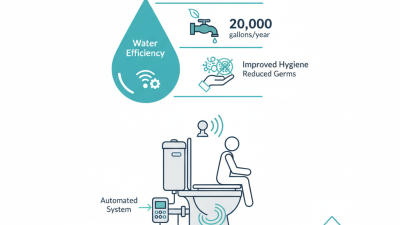
Water efficiency is another important consideration. Models that employ dual-flush systems can save significant amounts of water, which contributes to both environmental sustainability and utility savings. The ideal self-washing toilet usually uses less than 1.28 gallons per flush, aligning with standards set by environmental agencies. However, not all models source the same water-saving technology, making it essential for users to research and select wisely.
Additionally, ease of maintenance is a critical factor often overlooked. Many consumers report challenges with intricate designs that complicate cleaning. Toilets featuring smooth surfaces and minimal crevices tend to require less effort for upkeep. While numerous options boast self-cleaning capabilities, the efficiency of these features can vary widely. It's vital for buyers to critically assess reviews and product specifications before making a decision.
2026 Top Self Washing Toilet Features for Global Buyers
| Feature |
Description |
Importance |
Estimated Price Range |
| Self-Cleaning Mechanism |
Automatically cleans the bowl after each use. |
High |
$400 - $800 |
| Touchless Operation |
Sensors for flushing and seat opening. |
Medium |
$300 - $700 |
| Deodorizing Features |
Built-in air purifiers to eliminate odors. |
High |
$500 - $900 |
| Water-Efficient Technology |
Uses less water without compromising performance. |
Medium |
$250 - $600 |
| Adjustable Seat and Height |
Customizable for comfort and accessibility. |
Low |
$350 - $750 |
Comparative Analysis of Leading Self-Washing Toilet Brands
The rise of self-washing toilets has transformed bathroom hygiene. Leading brands incorporate innovative technology, ensuring a superior experience. Most units feature automatic cleaning systems that activate after use. These systems often include ultraviolet light, enhancing sanitation levels. They minimize manual cleaning, appealing to busy lifestyles.
Certain models allow customization. Users can adjust cleaning frequency and settings. This flexibility caters to varying preferences and needs. However, reliability can be inconsistent among different brands. Some toilets may have a steep learning curve, causing initial frustration. Reviews often highlight that performance may differ based on water quality.
Price points vary widely, reflecting features and build quality. Affordable options may lack advanced technology but still offer basic cleaning. Premium models often deliver superior performance but require more maintenance. Buyers should consider long-term costs versus immediate benefits. Balancing these factors can be challenging, emphasizing the need for careful research.
Benefits and Cost Considerations for Global Buyers
The rise of self-washing toilets presents unique advantages for global buyers. These toilets are designed to reduce the need for manual cleaning, thus saving time and effort.
Many models feature built-in cleaning mechanisms that use water and cleaning agents to maintain hygiene.
Users often report less odor and a fresher bathroom environment. This can greatly enhance the overall user experience in both residential and commercial properties.
Cost considerations are essential when exploring self-washing toilets.
While initial investments may be higher than traditional models, long-term savings on cleaning supplies and labor can be significant.
Additionally, the durability of self-cleaning mechanisms may mean fewer repairs over time.
Still, it's important to weigh these benefits against personal budgets. Many buyers wonder if they will truly see a return on their investment.
Therefore, understanding your usage needs and expected lifespan is crucial to making an informed decision.
The choice may not be straightforward, and a thorough assessment is necessary for a satisfactory outcome.
Future Trends in Self-Washing Toilet Innovations and Designs
The future of self-washing toilets is quite promising. Innovations focus on enhancing convenience and hygiene. According to a recent market report, the self-cleaning toilet market is expected to grow by 25% by 2026. This growth reflects increasing consumer awareness of sanitation and technology.
New designs often feature advanced sensors and nanotechnology. These technologies allow toilets to autonomously clean after each use. Some models can even diagnose maintenance needs through smart monitoring systems. However, challenges remain. Not all consumers understand these technologies, leading to potential confusion. Reports indicate that incomplete user education can hinder the adoption of these innovations.
Sustainability is another trend shaping future designs. Many self-washing toilets now integrate eco-friendly materials and water-saving technologies. This is crucial, as water scarcity remains a pressing global issue. Yet, the costs associated with these high-tech toilets can be a barrier. Many buyers may hesitate due to price, even if they recognize the long-term benefits. Bridging this gap is vital for broader acceptance in the market.
2026 Top Self Washing Toilet Features for Global Buyers