Leave Your Message

What Is a Toilet One Piece Seat and How Does It Work?

A Toilet One Piece Seat is a bathroom fixture designed as one connected seating unit, rather than separate seat and lid components. Its appearance can seem simple, but its construction affects comfort, cleaning, stability, and long-term maintenance. The term is not always used consistently. Some manufacturers describe an integrated seat and lid, while others mean a seat designed for a one-piece toilet. That small distinction matters.

Richard Trethewey, a widely recognized plumbing and heating expert, offers a practical principle: “A toilet should be reliable, comfortable, and easy to maintain.” This idea explains how a Toilet One Piece Seat works. Hinges connect the seat to the bowl or toilet body. Bumpers distribute weight and reduce movement. Soft-close models use damped hinges to lower the lid quietly, instead of letting it slam against the ceramic surface. Some designs include quick-release buttons, allowing users to remove the seat and clean around the hinge area.

Installation usually involves aligning two mounting points, inserting bolts, and tightening them evenly. Over-tightening can damage plastic parts or stress the porcelain. It happens more often than people expect. A stable fit depends on accurate measurements, suitable hardware, and a compatible toilet shape. Round and elongated bowls are not interchangeable in every case.

This guide examines the structure, operating process, benefits, limitations, and maintenance needs of a Toilet One Piece Seat. It also considers an easily missed issue: convenience does not always mean better durability. A smoother design may hide dirt, while a removable design may require more frequent checking.
What Is a Toilet One Piece Seat and How Does It Work?

Definition and Main Features of a One-Piece Toilet Seat

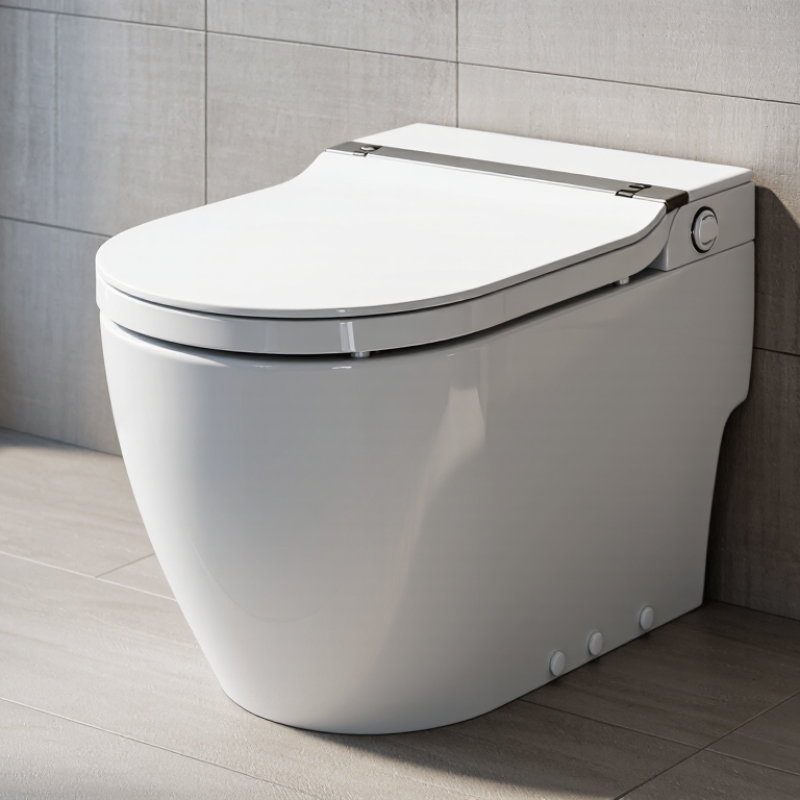
A one-piece toilet seat is a seat and lid designed as one coordinated assembly. Some models use a single molded seat, while others join separate parts with concealed hinges. The term is not perfectly standardized. It should not be confused with a one-piece toilet, whose ceramic tank and bowl form one unit.

Its main features include a contoured sitting surface, hinge mounts, rubber bumpers, and a removable lid. The bumpers spread pressure and reduce movement against the ceramic bowl. Soft-close hinges lower the lid slowly, limiting noise and sudden impact. Quick-release fittings allow removal without tools, although installation quality still matters. A loose hinge can cause side-to-side shifting.

Materials commonly include polypropylene, thermoset plastic, or coated wood. Plastic feels lighter. Thermoset surfaces usually feel harder and resist visible scratches better. Smooth edges also reduce dirt traps, but no seat is self-cleaning. That claim deserves caution.

The seat does not control flushing or water volume. Those functions belong to the toilet’s valve and bowl design. However, the complete fixture affects bathroom efficiency.

The U.S. Environmental Protection Agency’s WaterSense specification limits labeled toilets to 1.28 gallons per flush or less, compared with the federal 1.6-gallon standard. EPA WaterSense data also identifies toilets as responsible for nearly 30% of indoor household water use.

A well-fitted seat supports hygiene and comfort, but it cannot compensate for a poor flushing system. Check hinge spacing, bowl shape, load rating, and ASME A112.19.2/CSA B45.1 compliance before purchasing.
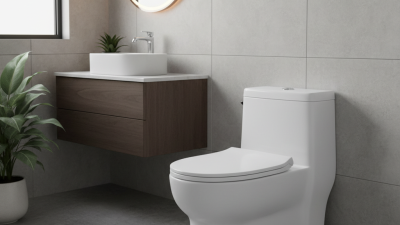
Key Components and How They Fit Together

A toilet one-piece seat combines the seat ring, lid, hinges, and mounting hardware into one coordinated assembly. Unlike a split design, it usually presents a smoother, cleaner outline around the bowl. The seat ring supports the user’s weight, while small bumpers spread pressure across the ceramic surface. The lid covers the opening and may include a soft-close mechanism. That mechanism uses controlled resistance, preventing a sudden slam.

The hinges connect the seat and lid to two mounting posts at the rear of the bowl. Bolts pass through the bowl’s mounting holes and tighten from above or below, depending on the design. Rubber or plastic washers help stabilize the connection and protect the ceramic. During installation, the seat should be centered before final tightening. A few millimeters can make the lid sit unevenly.

The fit depends on the bowl’s length, width, and hole spacing. Measure carefully. A seat that looks universal may still shift during use. In practice, I check alignment with the lid closed, then test the hinges by lifting the lid several times. If the seat moves, the bolts may need adjustment rather than excessive force. Over-tightening can damage ceramic or deform plastic parts. Cleaning also affects performance, since residue around the hinges can restrict movement. The design seems simple, but small components must work together precisely.

How a One-Piece Toilet Seat Operates

A one-piece toilet seat usually means the seat and lid operate as one coordinated assembly. It is not the same as a one-piece toilet, where the tank and bowl share one ceramic body. The seat rests on rubber or plastic bumpers, while two hinges control its movement. When someone sits down, the bumpers spread the load across the rim. When the lid opens, hinge pivots guide the rotation. Soft-close models use small dampers to slow the final movement, preventing the sharp plastic slap common in basic seats. Quiet operation matters more than many buyers expect.

The mounting system is simple but important. Bolts pass through the rear bowl holes and clamp the hinge plates underneath. Correct alignment keeps the seat centered and prevents side-to-side movement. A practical fit check should confirm the hinge spacing, bowl shape, and clearance behind the tank. One detail is often misunderstood: the seat does not operate the flush valve. The handle, button, or sensor activates that mechanism separately. According to the U.S. Environmental Protection Agency’s WaterSense specifications, efficient toilets use no more than 1.28 gallons per flush and deliver at least 20% savings over standard models. Toilets also represent nearly 30% of indoor household water use, according to EPA WaterSense.

Some integrated seats add heating, washing, or sensor functions. These require controlled water connections and electrical protection. More parts mean more possible failure points. A loose hinge can also create uneven pressure and premature cracking. The design looks simple. The installation is not always.

What Is a Toilet One-Piece Seat and How Does It Work?

A one-piece toilet seat is a seat-and-lid assembly mounted to the toilet bowl with two hinges. The hinges allow the seat to pivot from the closed position to an upright position, while rubber bumpers distribute the user's weight and help prevent direct contact with the ceramic bowl. The dimensions shown are representative ranges commonly used for adult toilet seats; exact compatibility depends on the toilet's bowl shape and mounting-hole spacing.

Installation Steps and Adjustment Methods

A toilet one-piece seat combines the seat and lid into a single, streamlined unit. Its fewer joints make cleaning easier and reduce movement during use. Before installation, check the bowl shape, hinge spacing, and fixing-hole size. Small differences matter. A seat that looks universal may still sit unevenly.

Remove the old seat and clean the ceramic surface thoroughly. Place the new seat over the bowl, then guide the bolts through the mounting holes. Hand-tighten the nuts underneath while keeping the seat centered. Do not force them yet. Close the lid and compare both side gaps. Adjust the position until the front edge follows the bowl evenly. Use a screwdriver or suitable wrench for final tightening. Tighten gradually on both sides. Excessive pressure can damage plastic parts or ceramic.

Test the seat by opening, closing, and lightly pressing near each hinge. It should remain stable without scraping the bowl. If it shifts, loosen the fixings slightly and realign the hinges before tightening again. Some seats include adjustable hinge plates, allowing small forward, backward, or sideways corrections. Make one change at a time. This is slower, but it prevents confusion. I have found that a level seat can still feel loose when the underside nuts are unevenly tightened. Check them again after several days of normal use. Loose fittings should be corrected promptly.

What Is a Toilet One Piece Seat and How Does It Work? - Installation Steps and Adjustment Methods

Category Data Dimension Typical Information or Method
Basic Definition Meaning of a one-piece toilet A toilet with the bowl and cistern manufactured as one integrated ceramic unit.
Meaning of a toilet seat for a one-piece toilet A removable seat and lid assembly designed to fit the mounting holes and bowl shape of a one-piece toilet.
Primary function Provides a stable, comfortable sitting surface, supports the lid, and helps keep the ceramic rim protected from direct contact.
How it works Hinges connect the seat and lid to mounting hardware installed through the bowl’s rear holes. Rubber or plastic components help distribute load and reduce movement.
Compatibility Checks Mounting-hole spacing Measure from the center of one mounting hole to the center of the other. Common spacing is approximately 140–180 mm, but the existing toilet should be measured before purchase.
Seat length Measure from the centerline of the mounting holes to the front edge of the bowl. Many adult toilet seats are approximately 430–480 mm long.
Seat width Measure the widest outside point of the ceramic bowl. A seat should cover the rim without extending excessively beyond it.
Bowl shape Confirm whether the bowl is round-front or elongated. The seat profile must match the bowl shape.
Hinge type Common types include top-fixing hinges, bottom-fixing hinges, quick-release hinges, and soft-close hinges.
Installation Steps 1. Prepare the surface Close the lid, remove the old seat, and clean and dry the ceramic area around the mounting holes.
2. Position the hinges Place the hinge plates or bolts through the rear mounting holes. Keep the hardware loose enough to allow alignment.
3. Align the seat Center the seat from left to right and align its front edge with the front of the bowl.
4. Install washers and nuts Install the supplied washers and nuts from underneath when using bottom-fixing hardware, or tighten the expansion fittings from above when using top-fixing hardware.
5. Tighten gradually Alternate between both sides and tighten until the seat is secure. Do not overtighten, because excessive force can damage ceramic or plastic parts.
6. Test operation Open and close the lid several times, sit carefully on the seat, and check that the assembly does not slide or rock.
Adjustment Methods Side-to-side adjustment Loosen both mounting nuts slightly, move the seat left or right until centered, then tighten both sides evenly.
Front-to-back adjustment Slide the hinge plates or bolts within their adjustment slots so the seat follows the bowl’s front and rear profile.
Rocking seat correction Check alignment first, then retighten the hardware. If the ceramic rim is uneven, use only the supplied stabilizing pads or approved spacers.
Soft-close adjustment Soft-close speed is controlled by the hinge damper and is usually not user-adjustable. Replace the hinge assembly if damping fails.
Quick-release alignment Release the seat, realign the hinge receivers with the mounting posts, and press down until both sides engage securely.
Tools and Safety Basic tools A screwdriver, adjustable wrench or suitable spanner, tape measure, cleaning cloth, and protective gloves are normally sufficient.
Recommended tightening method Tighten by hand or follow the hardware instructions. Use a torque specification only when one is provided for the specific seat.
What to avoid Do not use a hammer, power impact tool, abrasive cleaner, or excessive force on ceramic or plastic components.
Replacement indicators Replace the seat if it has cracks, permanently loose hinges, broken bumpers, damaged fixing hardware, or a soft-close mechanism that no longer works.
Maintenance Routine cleaning Clean the seat, lid, hinges, and mounting area with mild soap and water, then dry with a soft cloth.
Periodic inspection Check the mounting hardware every few months or whenever movement is noticed. Retighten carefully if necessary.
Expected service factors Service life depends on material, frequency of use, cleaning chemicals, hinge quality, and whether the seat is correctly aligned and tightened.

Cleaning, Maintenance, and Common Issues

What Is a Toilet One Piece Seat and How Does It Work?

A one-piece toilet seat is a single seat-and-lid assembly fitted to a compatible toilet bowl. Its hinges connect the seat to the mounting points at the rear. Rubber bumpers keep the seat stable and reduce movement. Some models include a soft-close mechanism, which controls the lid’s descent and prevents sudden impact. This design looks neat and has fewer visible gaps than a separated seat and lid. However, compatibility still matters. Measure the fixing-hole distance, bowl length, and bowl shape before replacement.

Cleaning and maintenance are simple, but technique matters. Wipe the seat with warm water and mild soap, then dry it with a soft cloth. Avoid abrasive pads, strong solvents, and excessive bleach. These products can dull the surface or weaken plastic parts. Check the hinge screws every few months. A loose hinge may cause side-to-side movement or uneven closing. If the lid drops quickly, the soft-close cartridge may be worn. Cracks, persistent discoloration, or a damaged hinge usually require replacement. I once underestimated a small hinge gap; moisture collected underneath and created an unpleasant odor.

Tips: Lift the seat before cleaning around the hinges. Do not force a stiff lid. Use a small brush for narrow joints. Keep metal fixings dry. If wobbling continues after tightening, inspect the mounting holes and bumpers. Should the toilet bowl itself move, stop adjusting the seat and check the floor connection.