Leave Your Message

What Are the Top Toilet One Piece Seat Suppliers?

Choosing the right Toilet One Piece Seat supplier requires more than comparing product photos and quoted prices. Buyers should examine material quality, hinge strength, sizing accuracy, and long-term customer support. A reliable supplier can explain whether the seat uses polypropylene, duroplast, or another tested material. They should also provide clear dimensions, weight limits, installation instructions, and replacement-part information.

Small details matter. A well-fitted seat should align with the bowl without shifting during use. Soft-close hinges should lower smoothly, not slam after several weeks. Samples can reveal surface texture, edge finishing, and mounting stability better than a polished online catalog. Experienced suppliers often support private labeling, custom colors, packaging design, and production-volume planning. However, claims about durability still require verification through samples, factory audits, and documented testing.

This guide reviews leading Toilet One Piece Seat suppliers through practical purchasing criteria. These include manufacturing experience, quality-control procedures, export capability, responsiveness, and compliance documentation. Certifications may strengthen confidence, but buyers should confirm their validity and relevance. No supplier is perfect. A low price may conceal weaker hinges, inconsistent molding, or limited after-sales service. Likewise, a famous name may not suit every market or toilet model. The strongest choice balances dependable performance, transparent communication, and realistic delivery terms. Readers should compare specifications carefully and request written confirmation before placing large orders. That step feels cautious, but it often prevents expensive mistakes.
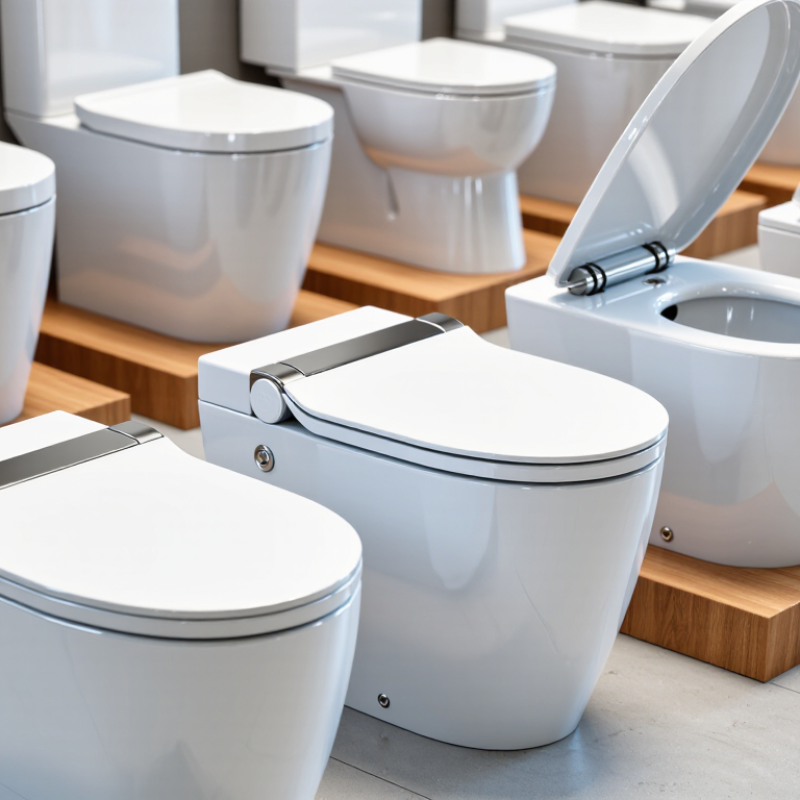
What Are the Top Toilet One Piece Seat Suppliers?

What Is a One-Piece Toilet Seat Supplier?

What Is a One-Piece Toilet Seat Supplier?

A one-piece toilet seat supplier provides seats designed for toilets with a unified, streamlined shape. It may develop the product, manufacture it, or manage production through qualified factories. The supplier connects material selection, tooling, quality checks, packaging, and delivery. Some suppliers also provide installation guidance and replacement parts. This support matters when a seat must fit a specific bowl shape, hinge position, or mounting distance.

A reliable supplier understands practical bathroom conditions. It should offer accurate measurements, stable hinges, smooth edges, and surfaces that resist moisture and household cleaners. Common materials include durable plastic, resin, and reinforced components. During evaluation, ask for hinge-cycle testing, load testing, dimensional drawings, and inspection records. Small details matter. A seat that shifts by a few millimeters can feel uncomfortable and unsafe. Packaging should also protect the hinges from cracks during transport.

In sourcing work, a polished catalog is not enough. I have seen attractive samples fail because the fixing bolts loosened after repeated use. Suppliers should explain their quality-control process clearly and identify production batches. Clear warranty terms, responsive communication, and consistent lead times show stronger reliability. Certifications may help, but they should match the product and destination market. A supplier can still make mistakes. The useful question is whether it notices them, documents them, and improves the next shipment. Thin hardware, vague measurements, and missing test evidence deserve careful review before any purchase.
Which Types of Suppliers Offer One-Piece Toilet Seats?

Toilet seat suppliers usually fall into several practical categories. Direct manufacturers produce one-piece seats in large quantities, often using polypropylene, duroplast, or wood-based composites. They can adjust colors, hinge styles, and packaging for commercial projects. Their factory teams should provide material data, load testing, and dimensional drawings. These details matter when a seat must fit a compact bathroom or a high-use public facility.

Specialized sanitaryware distributors offer another option. They purchase seats from different factories and keep common sizes in regional warehouses. This can mean faster delivery and smaller order quantities. A knowledgeable distributor should check bowl shape, fixing-hole spacing, hinge clearance, and seat length before recommending a product. A photograph helps, but it is not enough. Measurements are safer.

OEM and ODM suppliers serve buyers who need customized seats. They may develop soft-close hinges, quick-release buttons, child-friendly features, or unusual finishes. Their engineers can revise prototypes, although the process may take several rounds. Online wholesale suppliers also provide broad catalogs and convenient quotations, but product descriptions can be incomplete. I have seen attractive samples fail during hinge testing. No supplier is perfect. Ask for production samples, inspection records, warranty terms, and replacement-part availability. The most reliable partner explains limitations clearly instead of promising effortless performance.

How to Compare Top One-Piece Toilet Seat Suppliers

When comparing top one-piece toilet seat suppliers, start with fit, not attractive catalog images. Measure the bowl length, fixing-hole distance, and hinge area. Ask each supplier for a dimension sheet and installation drawing. Small gaps can create movement, noise, or water exposure around the mounting points. A useful supplier answers these questions without sending vague promises.

Material quality needs practical checking. Request samples made from the stated resin or reinforced plastic. Inspect the surface under bright light for rough edges, pinholes, and uneven color. Test the hinge repeatedly and check whether the soft-close action remains steady. It should close quietly. Ask about load testing, cleaning resistance, and inspection records. Technical documents matter more than polished sales language. Still, documents can be incomplete.

Compare minimum order quantities, sample charges, production time, packaging, and replacement policies in one table. A reliable supplier explains what happens when a batch contains warped seats or damaged hinges. Clear photographs and a written inspection standard reduce arguments later. I once focused too heavily on unit price and overlooked carton strength. Several seats arrived scratched. That was avoidable. Ask for packaging photos, drop-test details, and a pre-shipment inspection option. Response speed also reveals working habits. A supplier that misses simple measurement questions may struggle with larger quality issues. Availability of spare hinges and stable color matching can further reduce maintenance problems for installers and property managers.

What Quality Standards Should Suppliers Meet?

Reliable one-piece toilet seat suppliers should prove more than a polished sample. Their seats need stable dimensions, smooth edges, firm hinges, and repeatable fit. ANSI/ASME A112.19.2/CSA B45.1 provides recognized requirements for ceramic plumbing fixtures. However, it does not replace seat-specific testing. Buyers should request drawings, material declarations, load results, and batch records. A seat that fits today may loosen after months of cleaning and use.

Quality control should cover static load, opening cycles, hinge torque, discoloration, chemical resistance, and corrosion. Nylon or stainless-steel hardware can help, yet material names alone prove little. Ask for test methods and pass limits. The U.S. EPA WaterSense tank-type toilet specification sets a 1.28 gallons-per-flush limit. It requires at least 20% lower use than the 1.6-gallon standard. This shows how measurable thresholds support better purchasing decisions, although the requirement targets toilets, not seats. ISO’s 2022 Survey recorded 1,265,216 ISO 9001 certificates worldwide. Certification supports process discipline, not flawless production.

Tips: Inspect three samples from different lots. Check hinge alignment, underside burrs, and soft-close timing. Wipe the surface with common bathroom cleaner. Poor finishes reveal themselves quickly. Request an independent laboratory report, then verify its scope and sample date. No checklist is perfect. That weakness matters.

How to Select the Right Supplier for Your Needs

What Are the Top Toilet One Piece Seat Suppliers?

Selecting the right one-piece toilet seat supplier requires more than comparing prices. The WHO and UNICEF Joint Monitoring Programme reported that 3.5 billion people lacked safely managed sanitation in 2022. This highlights the importance of hygiene, durability, and dependable production. Look for suppliers that provide material specifications, load-test results, hinge-cycle testing, and documented quality controls.

Start with the seat’s daily conditions. Polypropylene offers practical impact resistance, while urea resin can provide a harder, smoother surface. Ask for samples before approving a large order. Check the hinge alignment, buffer stability, edge finishing, and cleaning response. Small defects become obvious on a showroom floor. Suppliers following ISO 9001-style quality systems should also offer batch records, inspection procedures, and corrective-action reports.

Production capacity matters too. Request realistic lead times, minimum order quantities, packaging details, and replacement-part availability. Independent laboratory reports can verify chemical resistance and structural performance. A low quotation may look clever, but inconsistent tolerances can create costly returns. I would still question impressive certificates without traceable test dates. Good suppliers answer clearly, accept reasonable audits, and explain what happens when a shipment fails inspection. That honesty is often more valuable than a polished sales presentation.