Leave Your Message

Top 10 Wall Hung Toilet Bowl Brands in China?

Wall Hung Toilet Bowls are increasingly considered for bathrooms where floor space, cleaning access, and a crisp visual line matter. In China, buyers can compare domestic manufacturers across ceramic quality, flushing performance, concealed cistern compatibility, after-sales support, and export experience. A polished showroom display is not enough. Installation details matter: the carrier frame must suit the wall, and the service opening must remain accessible.

Industry analysis from Mordor Intelligence and other market-research firms tracks China’s sanitaryware market, including changing product demand and competitive activity. However, broad market reports do not establish a definitive ranking of toilet-bowl brands. This guide therefore compares manufacturers using practical criteria, rather than presenting a sales list as a verified league table. Check current product specifications and warranty terms before making a purchase; model ranges can change.

Design still has to work in daily use. Architect Frank Lloyd Wright offered a useful principle: “Form and function should be one, joined in a spiritual union.” That idea fits a wall-hung toilet, but appearance alone cannot prove durability or flushing quality. The comparison ahead considers the details behind the finish, from rim design to installation support. Some brand information may be uneven or difficult to verify. That limitation deserves attention, not concealment.
Top 10 Wall Hung Toilet Bowl Brands in China?

Understanding Wall-Hung Toilets and Their Key Components

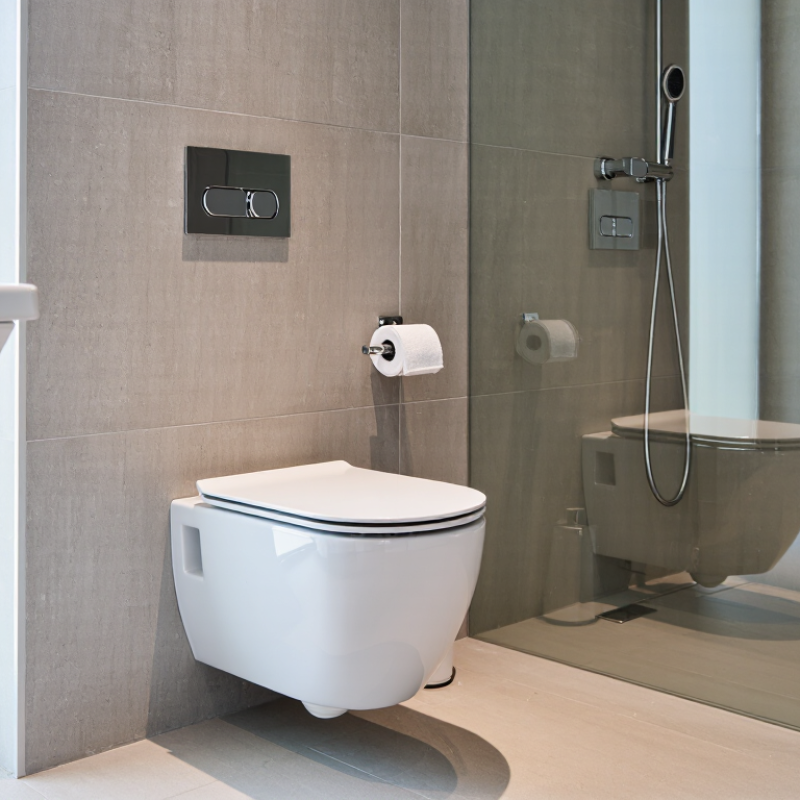
A wall-hung toilet is more than a bowl fixed to a wall. The ceramic bowl attaches to a concealed steel carrier, which transfers its weight to the floor and supporting structure. A concealed cistern sits inside the wall or a service frame. Its flush plate operates the flushing mechanism and often provides access for basic repairs. The bowl connects to the waste outlet through a seal and connector, while a separate inlet supplies clean water. Small parts matter. A poorly aligned connector or weak seal can cause leaks that remain hidden behind finished surfaces.

The frame must suit the wall construction and the toilet’s expected load. Installers also need to set the bowl height, check that the waste pipe has the correct fall, and test every joint before closing the wall. Sound insulation can reduce noise between rooms, though it cannot compensate for loose fittings. The flush plate is not merely decorative; its opening should allow practical access to the cistern components. That detail is easy to miss. The clean, floating appearance can make maintenance seem simpler than it is. In reality, access depends on careful planning, and repairs may require patience. A clear installation plan helps.
Criteria for Comparing Wall-Hung Toilet Brands in China

Choosing wall-hung toilet brands in China means comparing installation quality, service, and long-term parts, not just showroom appearance. Inspect the ceramic: look for an even glaze, a smooth rim, and no visible pinholes under bright light. Ask for flushing-volume figures and test data, while remembering that results may vary with household water pressure. A quiet flush helps. Check independently.

Compare the carrier frame, concealed tank, and bowl as one system. Confirm the frame’s load rating, corrosion-resistant finish, and adjustment range. Ask whether replacement valves are likely to remain available. Measure the finished wall depth and drain position before ordering. A few millimeters can matter. Get installation dimensions and warranty terms in writing, including who handles leaks behind the wall. Local service access may matter more than a polished brochure.

Tips: Request a flush demonstration and observe water coverage, not just noise. Ask an installer to verify rough-in measurements on site. Keep photos of concealed plumbing before the wall is closed. This step is easy to skip, and worth reconsidering. Compare cleaning access, seat-hinge replacement, and after-sales response time; these details shape daily use.

Top 10 Wall Hung Toilet Bowl Brands in China? - Criteria for Comparing Wall-Hung Toilet Brands in China

# Comparison Criterion What to Record or Check How to Verify Why It Matters
1 Water efficiency and flush volume Document the stated flush volume in litres per flush and the product’s water-efficiency grade, where declared. Check the product label, technical sheet, and applicable edition of China’s GB 25502 water-efficiency standard for water closets. Flush volume affects water use. Compare products using the same measurement basis and confirm the exact model’s documentation.
2 Flushing performance Record the manufacturer’s stated flushing system and any published flushing-test results. Review test reports and product documentation against the applicable sanitary-ware requirements, including GB 6952 where relevant. A low stated flush volume alone does not establish effective waste removal or resistance to clogging.
3 Pan dimensions and projection Compare overall width, height, depth, and projection from the finished wall, in millimetres. Use dimensioned product drawings and confirm whether measurements include the seat or other fittings. Dimensions affect bathroom clearance, user comfort, and whether the bowl fits the planned layout.
4 Installation and rough-in compatibility Record the required carrier frame, outlet arrangement, connection positions, and installation dimensions. Match the bowl and concealed cistern or carrier-frame instructions to the site’s plumbing and wall layout. Wall-hung toilets rely on compatible concealed components; mismatches can require costly changes before the wall is closed.
5 Wall and carrier-frame requirements Check the specified support system, fixing points, and permitted installation conditions. Consult the installation manual and have the installer confirm that the supporting structure and frame suit the project. The finished installation must safely support the fixture and intended use; the bowl alone does not establish the system’s load capacity.
6 Ceramic quality and surface finish Record the ceramic material and inspect the glaze for visible defects, unevenness, or damage. Inspect the delivered item and review relevant quality documentation and the applicable sanitary-ware standard. Consistent manufacture and an intact surface are important for appearance, cleaning, and long-term use.
7 Rim and bowl design Identify whether the bowl has a rimmed or rimless design and review the bowl’s accessible cleaning areas. Inspect the physical product or a detailed product drawing; confirm the cleaning instructions. Design affects access for cleaning. A particular bowl design should not be treated as proof of superior hygiene without supporting evidence.
8 Seat and hinge provisions Check whether a seat is included, its material, fixing method, compatible replacement options, and any stated soft-close feature. Confirm the bill of materials and seat specifications for the exact model being quoted. Seat inclusions and compatibility vary, and they can affect the final cost and replacement options.
9 Warranty and after-sales support Record warranty duration and coverage separately for the ceramic bowl, seat, cistern, and concealed frame where specified. Read the written warranty terms and confirm service availability, exclusions, and the proof of purchase required. Different parts may have different coverage. Written terms are more useful than a general warranty claim.
10 Total installed cost and parts availability Compare the itemized cost of the bowl, seat, cistern, frame, flush plate, fittings, delivery, and installation. Request a written quotation and check the availability of compatible replacement parts in the project’s location. A bowl’s purchase price does not represent the complete cost of a wall-hung toilet system.

Comparison note: This table provides evaluation criteria, not a ranked list of manufacturers. Record specifications for the exact model and verify standards, labels, and warranty terms against current official documentation.

Profiles of 10 Leading Wall-Hung Toilet Brands in China

China’s wall-hung toilet market includes makers with distinct strengths, from ceramic engineering to concealed-cistern design. These ten unnamed profiles compare capabilities, not verified market rankings. One maker focuses on slim, easy-clean bowls. Another pairs compact pans with sturdy frames. A third emphasizes smooth glaze and consistent firing. A fourth offers broad size choices for tight bathrooms. A fifth develops quiet-flush systems. A sixth focuses on water efficiency. A seventh supplies coordinated cisterns and service parts. An eighth targets renovation projects with simpler installation. A ninth prioritizes export-ready quality control. A tenth offers flexible designs, though after-sales support may vary by region.

Market context helps, but it is not a direct wall-hung sales ranking. Grand View Research valued the global smart toilet market at USD 9.87 billion in 2023 and forecast 10.6% annual growth from 2024 to 2030. This category overlaps with some wall-hung products, but not all. Buyers should compare flush performance, frame load specifications, spare-part access, and local installation experience. A polished showroom display proves little.

Tips: Check the carrier frame before ordering. Confirm its dimensions, service opening, and compatible bowl. Ask for test documentation, not just claims. Even good products can disappoint when installation details are overlooked.

Comparing Brand Features, Price Ranges, and After-Sales Support

When comparing wall-hung toilet brands in China, look beyond the shape of the bowl. Check the flushing design, glaze coverage, water-use rating, and compatibility with the concealed cistern and wall frame. A smooth, easy-to-clean surface helps, but installation quality matters just as much. Details matter.

Prices vary by material, flushing features, and distribution channel. As a rough guide, basic bowls may cost around RMB 800–2,500, mid-range options about RMB 2,500–6,000, and premium models more. These figures may exclude the frame, cistern, delivery, and installation. Ask for an itemized quote. A low bowl price can become less attractive when essential parts are sold separately.

After-sales support deserves equal weight. Confirm the warranty period, who handles repairs, and whether replacement seats and flushing components will remain available. Ask how service works in your city, and get the terms in writing. A polished showroom display is not proof of dependable support. Even careful comparisons have limits: product batches and local service can differ, so verify the exact model before paying.

Choosing a Wall-Hung Toilet Brand for Your Bathroom Needs

Choosing a wall-hung toilet is less about appearance than matching the bowl, carrier frame, and concealed cistern to your bathroom. A sleek design can still disappoint if its frame does not suit the wall structure or plumbing layout. Check rough-in dimensions, outlet position, and service access before comparing finishes. Measure twice. Ask the installer to confirm support requirements and component compatibility, especially during a renovation.

Flush performance matters every day. Look for clear product information about water use, bowl shape, rim design, and replacement parts. A smooth interior may be easier to clean, but access around hinges and the gap behind the bowl matters too. Sit on a sample if possible; height and projection can feel different in a small bathroom. Comfort is personal.

When comparing manufacturers, review warranty terms, technical drawings, quality documentation, and local repair support. Check how easily the flush plate opens for maintenance. These details are easy to overlook. A lower price may mean fewer options or slower access to parts, though not always. Ask for written compatibility details, and allow room for professional adjustment. Bathrooms are not always as standard as product diagrams suggest.