Why Choose a Flush Automatic Toilet for Your Business?
Why Choose a Flush Automatic Toilet for Your Business?
A business restroom speaks before your staff does. A clean, responsive facility can influence customer trust, employee comfort, and daily operating efficiency. The Flush Automatic Toilet supports that impression through touch-free activation, controlled water use, and consistent flushing. A customer enters, uses the toilet, and leaves without touching a handle covered by dozens of hands.
Jim Allen, a commercial restroom specialist at Sloan, describes the principle clearly: “The best restroom technology is the kind people barely notice.” That idea matters in busy restaurants, offices, airports, and retail stores. Reliable sensors can reduce unnecessary flushing and help maintain a cleaner user experience. Modern systems may also support accessible design, especially when controls are positioned thoughtfully and maintenance teams follow manufacturer guidance.
Small details matter. A toilet that flushes too early wastes water. One that responds too slowly frustrates users. A weak battery can create an embarrassing service call during lunch hour. It is not magic.
Choosing a Flush Automatic Toilet also requires practical judgment. Businesses should review sensor accuracy, replacement parts, cleaning access, water efficiency, warranty coverage, and installation quality. The cheapest model may cost more when seals, batteries, or valves fail repeatedly. That is an uncomfortable truth.
A well-selected system can reduce touchpoints and simplify restroom routines. However, automation cannot replace inspection, cleaning, or human oversight. Businesses still need a maintenance schedule, visible hygiene standards, and staff who notice problems quickly. The strongest investment combines dependable technology with disciplined care.
What Is a Flush Automatic Toilet?
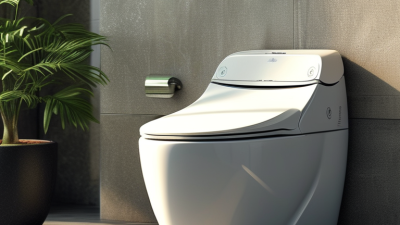
A flush automatic toilet uses a sensor to detect a user and trigger flushing without a handle. Infrared technology usually identifies movement, presence, or departure. The valve then releases a measured volume of water. In a busy business restroom, this touch-free action can reduce contact with shared surfaces. It also gives visitors a clear, consistent experience.
The U.S. Environmental Protection Agency’s WaterSense program reports that toilets account for nearly 30% of indoor water use in typical American homes. WaterSense-labeled toilets use 1.28 gallons per flush or less, compared with the federal standard of 1.6 gallons. Commercial models may offer adjustable settings, leak detection, and manual override functions. These features matter in offices, restaurants, and healthcare facilities. Still, automation is not magic. A poorly positioned sensor may flush too early or fail to respond. Maintenance teams should inspect batteries, valve seals, and water pressure regularly.
Tips: Test the sensor from different user heights. Check the flush after installation. Keep a manual backup option. Choose a model with accessible service parts and clear usage data. The EPA also recommends comparing performance and water efficiency, not only purchase price. A lower-cost unit may create higher maintenance expenses later. That point deserves more attention than it usually receives.
How Does a Flush Automatic Toilet Work?
A flush automatic toilet combines presence sensing, electronic control, and a flush valve.
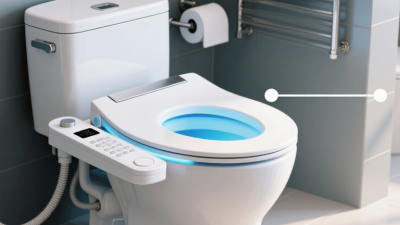
An infrared sensor detects a user’s presence and movement. After the user leaves, the controller sends a signal to a solenoid valve. The valve opens briefly, releasing water through the bowl and trapway. A timed or metered cycle then stops the flow. It is not magic. It is a coordinated plumbing and electrical process.
The EPA WaterSense Product Specification for Tank-Type and Flushometer-Valve Water Closets
allows qualified commercial models to use 1.28 gallons per flush or less. That is at least 20% below the federal 1.6-gallon standard. EPA WaterSense also reports that toilets can represent nearly 30% of indoor residential water use. Business facilities may show different patterns, especially during busy hours. Automatic flushing can reduce missed flushes and touch points, but poor calibration may trigger unnecessary cycles.
Facility managers should inspect sensor range, battery status, valve response, and water pressure during routine maintenance.
A dark stall, reflective surface, or hurried exit can confuse detection. The EPA WaterSense 2023 Annual Report credits labeled products with saving about 7.5 trillion gallons of water since 2006. That figure is substantial, yet individual performance still depends on installation and daily use. A flush that feels powerful may still waste water. A quiet valve may hide a slow leak.
What Benefits Does It Offer Businesses?
Why Choose a Flush Automatic Toilet for Your Business?
What Benefits Does It Offer Businesses?
A flush automatic toilet can improve hygiene in busy commercial restrooms. Its sensor reduces contact with handles, which helps limit the transfer of germs between users. This matters in offices, restaurants, clinics, and shopping areas with frequent foot traffic. The flush activates after use, so staff do not need to check every cubicle immediately. That can make cleaning rounds more efficient. It also creates a modern, carefully maintained impression for visitors.
Tips: Choose a reliable sensor with adjustable detection settings. Test it for users of different heights. Keep the sensor area clean and unobstructed. Schedule routine checks for batteries, valves, seals, and water pressure. A small fault can waste water quickly. Clear instructions near the toilet may also help unfamiliar users.
Automatic flushing supports consistency, but it is not a magic fix. Poor installation or weak maintenance can cause false flushes, delayed operation, or unnecessary water use. Businesses should compare water-saving performance, repair access, and expected usage before installation. In my experience, simple controls are often more dependable than complicated features. Staff feedback can reveal problems that a quick inspection misses. A restroom may look advanced, yet still perform poorly if the flush settings are never reviewed.
Which Business Locations Need This Toilet?
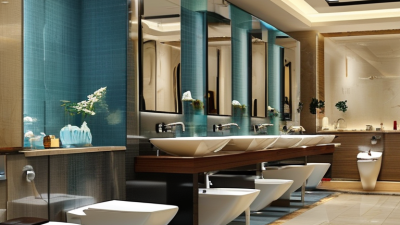
A flush automatic toilet makes the most sense where many people share limited restroom space. Busy restaurants, shopping centers, airports, and entertainment venues face frequent contact with handles and flush buttons. Hands-free flushing can reduce touchpoints after use, especially during crowded lunch periods or event breaks. It also helps keep the bowl ready for the next visitor. However, it cannot replace scheduled cleaning.
Offices and coworking spaces benefit when employees use restrooms throughout the day. The same applies to schools, clinics, gyms, and public service buildings with steady visitor flow. Healthcare locations need extra care because hygiene routines, accessibility, and infection-control procedures may be stricter. A facility manager should check flushing strength, sensor response, water pressure, and backup operation before installation. Small details matter.
Automatic flushing is less useful in a quiet private office with very low traffic. In that setting, extra equipment may add maintenance without delivering much value. Power outages, sensor faults, or incorrect installation can also create frustration. Not always necessary. Review actual usage before choosing this system, rather than following a modern design trend. Local plumbing and accessibility requirements should be checked with a qualified professional. A manual option may still be practical. Automation is helpful, not flawless.
Why Choose a Flush Automatic Toilet for Your Business?
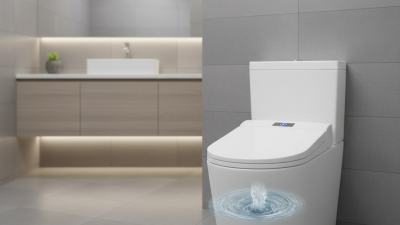
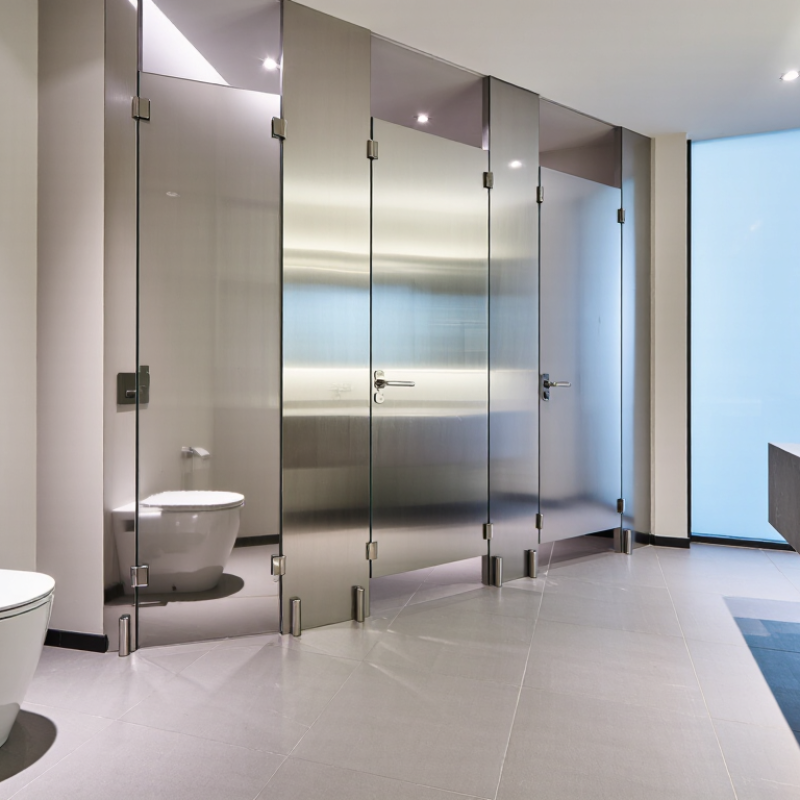
Automatic-flush toilets can reduce hand contact with restroom fixtures and are especially suitable for high-traffic locations such as airports, shopping centers, restaurants, schools, healthcare facilities, and office buildings.
The chart compares common toilet flush-volume benchmarks in the United States. Older toilets installed before federal efficiency standards commonly used 3.5 gallons per flush or more, while the current federal maximum for standard tank-type toilets is 1.6 gallons per flush. EPA WaterSense-labeled toilets use 1.28 gallons per flush or less while meeting performance requirements. Actual savings depend on fixture type, usage frequency, and maintenance.
Business Locations That Benefit Most
- Airports and transportation hubs: frequent public use makes touch-free operation valuable.
- Shopping centers and restaurants: high visitor turnover increases the need for convenient, hygienic fixtures.
- Schools and healthcare facilities: reduced touch points can support better restroom hygiene practices.
- Office buildings: automatic flushing can improve user convenience in shared restrooms.
How Should Businesses Choose and Maintain One?
For a business, choosing a flush automatic toilet starts with traffic, not appearance. Estimate peak hourly use from staff, customers, or visitors. A busy café needs a durable valve and a sensor that responds quickly. A quiet office may prioritize water efficiency and low noise. Measure stall space before ordering. Check water pressure, drain capacity, power needs, and battery access. Confirm compatibility with local plumbing and accessibility requirements. “Universal” does not always mean suitable.
Look for corrosion-resistant surfaces, clear installation instructions, and replaceable parts. Ask how the sensor performs under bright light, steam, or dark clothing. Request maintenance records or test data when available. A reliable unit should flush consistently without repeated hand movement. Test it with different users. Small details matter. A delayed flush frustrates visitors and increases cleaning work. Avoid choosing the cheapest unit if its valve is difficult to service. That saving may disappear after one repair visit.
Create a simple inspection routine. Staff can wipe the sensor daily, check leaks, and listen for a weak or continuous flush. Clean the bowl with approved products, avoiding abrasive tools that damage the finish. Test batteries on a scheduled cycle, not only after failure. Keep spare seals and batteries nearby. Record faults with dates and photos. This helps technicians identify patterns. Even good equipment needs adjustment. Sensors can misread movement or trigger too early. Review settings after renovations, lighting changes, or seasonal traffic. A short maintenance log is easy to ignore. It is also easy to regret not keeping one.