Smart bathroom technology is moving from luxury showrooms into apartments, hotels, hospitals, and accessible housing. Fortune Business Insights reports that the global smart toilet market was valued at approximately USD 8.26 billion in 2023. Its forecast also indicates strong growth through 2032. Smart Toilet Lid products represent only one segment, but they connect several fast-growing demands: personal hygiene, comfort, water efficiency, and touch-free operation.
The market is attractive, yet supplier selection is rarely simple. Grand View Research identifies connected bathroom systems as part of the broader smart-home expansion. Meanwhile, the International Energy Agency continues to emphasize efficiency and responsible electricity use in buildings. These trends make product details important. A heated seat may feel minor in a showroom. It matters more in a cold hotel bathroom at 6 a.m. Buyers must examine nozzle hygiene, temperature controls, sensor reliability, installation requirements, replacement parts, and regional electrical compatibility.
This guide introduces seven manufacturers serving international buyers. The evaluation considers manufacturing experience, product engineering, certifications, warranty support, and evidence from real distribution channels. It also considers whether suppliers publish clear specifications instead of relying on attractive photographs. That distinction matters.
No ranking is perfect.
Market reports often group smart toilets, bidet seats, and electronic lids together. This limits precise comparisons. Buyers should therefore verify factory audits, compliance documents, testing records, and after-sales capacity directly. The best Smart Toilet Lid manufacturer is not always the largest company. It may be the supplier that delivers stable quality, clear communication, adaptable designs, and dependable support after installation. Reliability begins before the shipment leaves the factory.
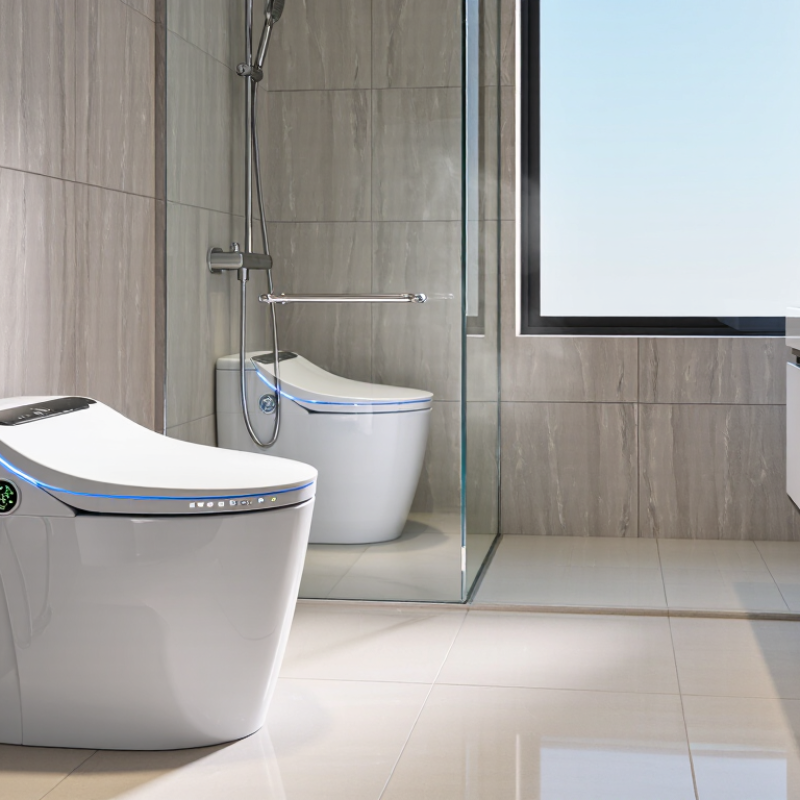
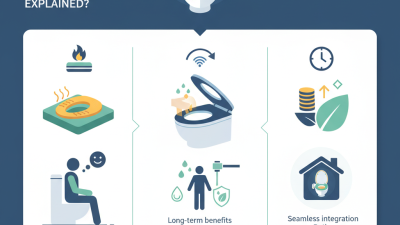
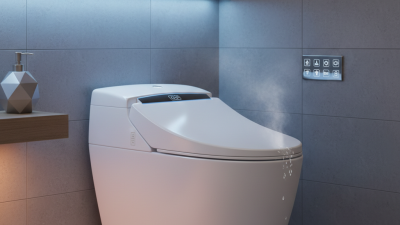
A smart toilet lid is an electronic seat system that adds washing, heating, and hygiene functions to a standard toilet. It usually includes a heated seat, adjustable bidet nozzle, warm-water control, air dryer, and deodorizing function. Some models also provide a night light or automatic lid opening. Simple controls matter. They help users adjust pressure, temperature, and spray position without confusion.
The operating process is fairly direct. A seat sensor detects the user and enables the control panel or remote. After activation, a nozzle extends and releases filtered water with adjustable pressure. The user can select front or rear washing, depending on the model. Warm air may follow the rinse cycle, reducing the need for toilet paper. Many reliable designs retract the nozzle after use and run a self-cleaning cycle. Thermal protection and a sensor that stops spraying when nobody is seated are important safety details.
For global buyers, installation compatibility deserves careful checking. Water inlet size, toilet shape, power voltage, grounding, and available space can differ between markets. Regular filter cleaning and descaling also affect performance. No lid is perfect. Water heating may take time, and stronger features can increase electricity use. In my experience, a dependable lid should feel stable, clean easily, and offer clear instructions. Fancy functions are less valuable when replacement parts or technical support are difficult to obtain.
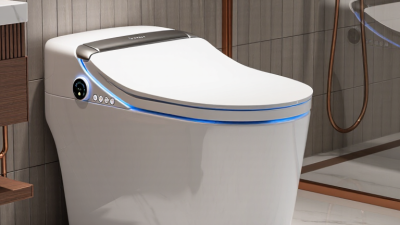
A smart toilet lid combines an electronic control unit with a heated seat, bidet nozzle, water heater, deodorizer, air dryer, and user sensors. Before choosing a model, global buyers should verify electrical compatibility. The chart shows common nominal household AC voltages by target market; actual product specifications may support only one voltage range and frequency.
Choosing among the 7 best smart toilet lid manufacturers requires more than comparing prices. Global buyers should inspect production experience, engineering depth, and quality controls. Ask how long the factory has produced heated seats, bidet systems, sensors, and remote controls. Request test records for water pressure, electrical insulation, temperature stability, and repeated lid movement. Reliable manufacturers can explain these results clearly.
Material selection reveals practical expertise. Look for heat-resistant plastics, corrosion-resistant fittings, sealed circuit boards, and skin-safe seat surfaces. The manufacturer should provide traceable component information and consistent batch records. Confirm whether products support local voltage, plug formats, installation standards, and language requirements. A useful supplier also offers samples before large orders.
Do not trust polished brochures alone. A factory audit, live production video, or independent inspection may reveal more. Check assembly cleanliness, warehouse storage, packaging strength, and final inspection procedures. Warranty terms should identify response times, replacement parts, and technical support. After-sales service matters.
Some evaluations remain imperfect. A small supplier may have excellent engineering but limited capacity during peak seasons. A large factory may offer volume yet respond slowly to design changes. Buyers should test communication, sample accuracy, delivery discipline, and problem-solving before signing a contract. Ask difficult questions. The answers often show the real manufacturer.
For global buyers, the seven leading smart toilet lid manufacturers differ in practical strengths. One focuses on stable heating systems and quiet night operation. Another specializes in compact lids for small bathrooms. A third offers strong OEM support and flexible packaging. A fourth is known for electronic controls, sensor accuracy, and simple user interfaces. A fifth develops water-saving cleansing systems for hospitality projects. A sixth emphasizes durable plastics, sealed circuit boards, and easier maintenance. The seventh combines broad production capacity with adaptable voltage and plug options.
A reliable evaluation begins with hands-on details. Check the hinge fit, nozzle movement, seat temperature, and remote response. Ask for testing records, material information, warranty terms, and replacement-part availability. A factory may show impressive samples, yet overlook installation instructions or after-sales communication. That matters.
Look closely at water pressure requirements, inlet connections, electrical protection, and packaging strength. Global shipping can expose weak cartons and poorly secured lids. Request samples before placing a large order. Test them in realistic conditions, including repeated opening, night use, and cleaning. No supplier is perfect. Even experienced manufacturers may need clearer manuals or faster technical replies. I would compare production consistency, compliance documentation, factory communication, and long-term service rather than choosing by price alone. A polished display model proves little without dependable performance after installation.
When comparing seven smart toilet lid manufacturers, global buyers should examine features beyond appearance.
Useful models often include heated seating, adjustable water temperature, night lighting, slow-close hinges, and a wireless remote. Some advanced units add deodorizing filters and user memory settings. Details matter. A lid with clear buttons is easier to operate in hotels and family bathrooms. Installation also deserves attention, especially when water inlets and electrical sockets differ by market.
Quality depends on materials, testing, and long-term service. Look for stable ABS or reinforced plastic, smooth hinges, sealed control panels, and replaceable filters. In sourcing projects, I would request sample units before placing a large order. Check spray alignment, heating recovery time, noise, and leakage after repeated use. A polished product can still hide weak internal parts. That is where careful testing helps. Ask manufacturers for inspection records, warranty terms, spare-part availability, and response times. Marketing language alone is not reliable evidence.
Price comparison usually falls into three levels.
Entry models may cost about 180 to 300 US dollars, while mid-range products often reach 300 to 600 dollars. Premium versions can exceed 600 dollars because of stronger motors, quieter operation, and more precise controls. The cheapest option is not always economical after shipping, installation, and replacement parts. However, higher prices do not guarantee better performance. Buyers should compare the complete landed cost, local electrical compatibility, packaging strength, and after-sales support. One weakness remains easy to overlook: some suppliers communicate well before payment but respond slowly after delivery. That risk should be tested early.
Choosing among the seven best smart toilet lid manufacturers requires more than comparing prices. Check the supplier’s production experience, factory capacity, and quality records. Ask for clear photos of assembly lines, inspection tools, and finished packaging. A reliable manufacturer should provide test reports, product drawings, and traceable batch information.
Match the lid with your target market before placing an order. Confirm voltage, plug type, water pressure range, seat dimensions, heating settings, and installation method. Request a working sample and test it with your local toilet models. Test the basics. Check nozzle movement, water temperature, drying performance, and leakage after repeated use. I have seen buyers overlook hinge spacing, creating expensive returns. That small detail matters.
Import planning needs equal attention. Discuss minimum order quantity, lead time, spare parts, warranty handling, and payment protection in writing. Confirm carton strength, moisture protection, product labels, and customs documents before shipment. Ask whether the supplier can support remote installation training or provide a clear manual. Keep a backup. Production delays happen, even with capable factories. Compare shipping terms carefully, since a low unit price can hide higher freight, inspection, or after-sales costs. Choose the supplier that communicates precise answers, accepts reasonable testing, and corrects problems without avoiding responsibility. Reliability is proven through evidence, not promises.
| Supplier Profile | Typical Manufacturing Base | Core Product Strength | Common Smart Functions | Compatibility Considerations | Common Compliance Requirements | Typical OEM MOQ | Typical Production Lead Time | Buyer Verification Priorities |
|---|---|---|---|---|---|---|---|---|
| Profile 01 ★★★★★ |
East Asia | High-volume electronic bidet toilet lids with established injection-molding and assembly capacity. | Heated seat Warm water Air drying Night light | Confirm bowl shape, mounting-hole spacing, water inlet position, voltage, plug type, and seat dimensions. | Market-specific electrical safety and EMC requirements; RoHS may apply to restricted substances. | Usually 100–500 units for standard models; custom tooling may require more. | Approximately 30–60 days after approval of specifications and samples. | Factory audit, electrical test reports, leakage testing, burn-in testing, and spare-parts availability. |
| Profile 02 ★★★★★ |
East Asia | ODM-focused supplier suitable for private-label programs and customized control panels or packaging. | Adjustable nozzle Water temperature control Energy-saving mode Soft-close lid | Request a dimensional drawing and a compatibility sample before approving mass production. | CE-related requirements may apply in the European market; FCC-related requirements may apply to relevant electronics in the United States. | Often 300–1,000 units for customized appearance, packaging, or firmware. | Approximately 45–75 days for customized orders. | Firmware ownership, change-control procedures, sample approval, packaging drop tests, and technical documentation. |
| Profile 03 ★★★★☆ |
East Asia | Cost-competitive mass-production supplier for standard replacement lids and entry-level export models. | Heated seat Self-cleaning nozzle Deodorization LED indicator | Standard elongated and round configurations are common, but exact dimensions vary by model. | Verify electrical insulation, grounding, ingress protection, materials compliance, and country-specific plug requirements. | Commonly 50–300 units for existing models. | Approximately 20–45 days when components are in stock. | Incoming quality control, water-pressure range, heating performance, carton protection, and defect-rate records. |
| Profile 04 ★★★★☆ |
East Asia | Premium supplier emphasizing quieter operation, improved ergonomics, and higher-grade user interfaces. | Instant heating Memory settings Remote control Automatic flushing compatibility | Check water pressure, flow rate, remote-control frequency, installation clearance, and available electrical load. | Applicable market electrical, EMC, water-contact-material, and radio-equipment requirements should be reviewed separately. | Usually 200–800 units depending on customization level. | Approximately 40–70 days, including functional validation. | Acoustic test data, thermal safety, remote-control pairing, long-cycle testing, and warranty-return process. |
| Profile 05 ★★★★☆ |
South or Southeast Asia | Regional assembly supplier with potential advantages for nearby markets and diversified sourcing programs. | Warm-water washing Heated seat Child mode Water-saving design | Verify local component sourcing, replacement-part continuity, electrical frequency, and after-sales coverage. | Country-specific electrical safety, EMC, labeling, and packaging regulations may apply. | Often 100–500 units for standard configurations. | Approximately 35–65 days, depending on imported components. | Supply-chain transparency, component traceability, production capacity, export experience, and service response times. |
| Profile 06 ★★★★☆ |
Europe | Compliance-oriented supplier focused on regional installation standards, documentation, and premium distribution channels. | Temperature control Hygiene wash Slow-close seat Low standby power | Confirm compatibility with local ceramic toilets, plumbing connections, voltage, plug standards, and bathroom layouts. | Review applicable CE, EMC, electrical safety, RoHS, WEEE, packaging, and data-protection obligations where relevant. | Commonly 50–250 units for stocked or semi-custom products. | Approximately 30–60 days; stocked products may ship faster. | Declaration of conformity, technical file availability, importer responsibilities, product labeling, and service documentation. |
| Profile 07 ★★★★☆ |
North America | Market-focused supplier experienced in local retail channels, installation support, and regional warranty programs. | Heated seat Warm wash Air dryer Manual side control | Check North American voltage, plug configuration, water connection standards, bathroom clearances, and installation instructions. | Applicable electrical safety certification, EMC requirements, labeling, plumbing rules, and state or provincial requirements should be confirmed. | Often 25–200 units for distribution orders; private-label quantities may be higher. | Approximately 30–60 days for available models. | Safety certification scope, local warehouse support, replacement parts, installation training, and warranty claim handling. |
Note: The figures shown are practical industry benchmarks and selection criteria for global buyers, not audited claims about any named company or brand. Actual MOQ, lead time, certifications, functions, and warranty terms must be confirmed in writing with the selected supplier before purchase or import.