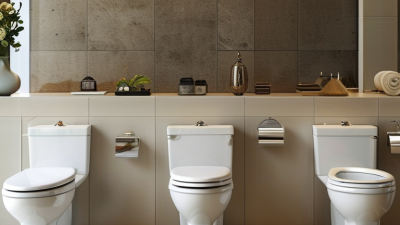
Choosing a Self Cleaning Toilet is not just a matter of pressing a button. The right model should match your bathroom, cleaning habits, and tolerance for ongoing maintenance. Some toilets use electrolyzed water or UV light; others rely on a glazed bowl and automated rinsing. Their features differ, and “self-cleaning” does not mean maintenance-free.
Water use offers one useful comparison point. The U.S. Environmental Protection Agency’s WaterSense program says certified toilets use 1.28 gallons per flush or less—at least 20% less than the federal standard. That benchmark does not measure cleaning performance, but it helps buyers compare efficiency. Check whether the model’s cleaning claims have independent test results, and look closely at replacement parts, power needs, warranty coverage, and access to service. Picture the practical details: a nearby outlet, a lid that opens comfortably, and a cleaning cycle you can hear at night. Small details matter.
A trustworthy buying guide should distinguish tested results from marketing language. No verifiable direct quotation from a named Self Cleaning Toilet specialist was provided, so I will not invent one. Instead, compare manufacturer documentation with recognized toilet-performance standards and ask retailers how the cleaning system works between deep cleans. Not every feature helps. The best choice is the one that cleans reliably, uses water responsibly, and remains easy to maintain after the showroom shine fades.
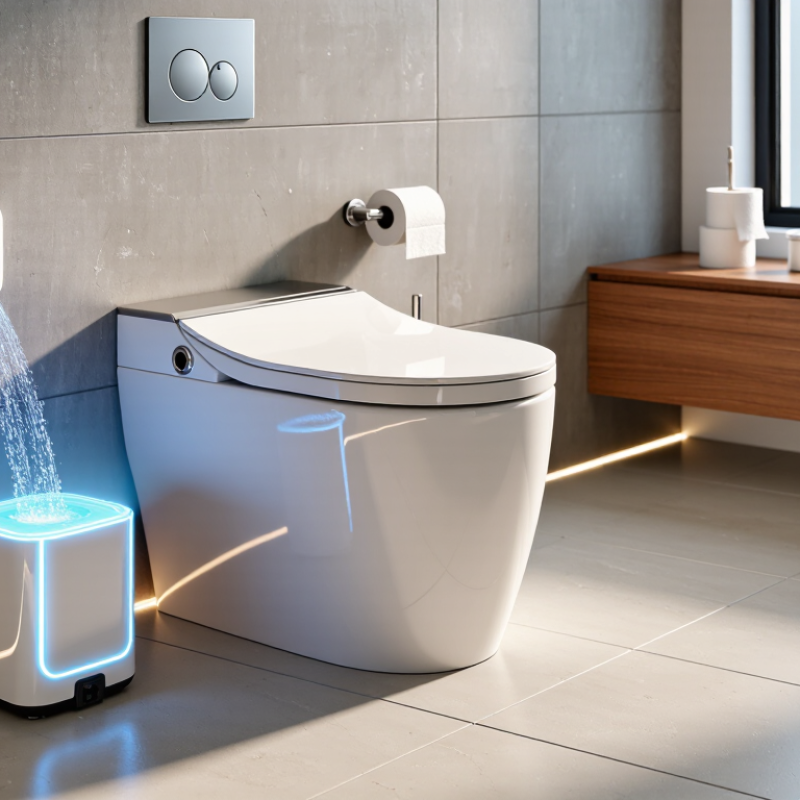
A self-cleaning toilet uses built-in features to reduce residue, odors, and routine scrubbing. The term covers several different systems, not one standard technology. A model may rinse its bowl after use, spray a bidet nozzle, or apply a surface treatment that helps waste slide away. Some toilets also use electrolyzed water or ultraviolet light, though features vary by design.
Here is the basic cycle. A sensor detects use, then the toilet may flush automatically or begin a brief rinse. A bidet nozzle can extend, spray water, and rinse itself before retracting. In some models, a deodorizing fan draws air through a filter. A smooth bowl coating can slow buildup, but it does not make the surface stain-proof. Small details matter: water pressure, cleaning-cycle settings, and how often the toilet is used can affect results.
The label can sound more complete than reality. It still needs care. Mineral deposits may collect around the waterline, and hinges, seats, and outer surfaces usually require manual cleaning. I would check which parts clean themselves and which need attention before choosing a model. Also consider whether replacement filters or cleaning supplies are easy to find. A quick weekly inspection can reveal buildup before it becomes difficult to remove.
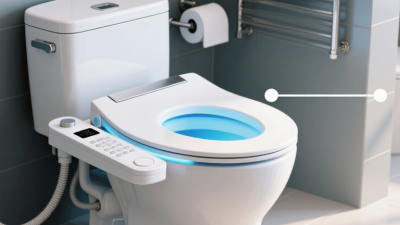
Self-cleaning features can help with routine bowl care, but they do not eliminate the need for occasional manual cleaning. When comparing toilets, check the flush-water rating as well as what the cleaning cycle actually does.
Older toilets made before 1994 typically use 3.5–7 gallons per flush. The federal standard for toilets manufactured since 1994 is 1.6 gallons per flush; WaterSense-labeled toilets use no more than 1.28 gallons per flush. Source: U.S. EPA.
Separate soil removal from disinfection. A rim wash or automatic bowl rinse moves water across visible surfaces, but coverage can vary around the trapway. Electrolyzed-water systems treat rinse water to help limit residue and odor; check how often the unit needs refilling or servicing. UV features may target exposed surfaces, but ask what areas are actually reached. A glossy glaze can make buildup easier to remove, though it does not replace routine cleaning. Small detail, big difference.
Look for independent test results that specify the surface tested, contact time, and cleaning method. Marketing terms such as “sterilizing” are not enough to compare performance. The U.S. EPA WaterSense program sets a useful efficiency benchmark: certified toilets use 1.28 gallons per flush or less. EPA estimates that replacing an older, inefficient toilet with a WaterSense-labeled model can save a family nearly 13,000 gallons of water annually. This figure measures water savings, not self-cleaning effectiveness, so compare both separately.
Tips Ask whether the cleaning cycle reaches under the rim and around the waterline. Check filter, nozzle, and descaling requirements, too. Keep a little skepticism. A self-cleaning cycle may reduce scrubbing, but it may not eliminate it. Test the controls in a showroom, if possible, and listen for cycle noise; a quiet bathroom can make even a short rinse sound surprisingly loud.
A self-cleaning toilet can reduce routine scrubbing, but the label alone tells you little. Check exactly what the cleaning cycle covers: the bowl, spray nozzle, seat, or only selected surfaces. A rinse is not the same as disinfection. Read the care instructions and look for clear details about cycle length, water use, and any cleaning products required. Details matter. If the controls are confusing in a showroom, they may feel worse during a rushed morning.
Hygiene depends on surfaces you can inspect and maintain. Look for a nozzle that retracts or rinses itself, a smooth bowl with few hard-to-reach edges, and parts that can be cleaned without special tools. Ask how often manual cleaning is still recommended. Self-cleaning features do not remove the need to check for residue, especially around hinges and under the seat. Not magic. A quick inspection after several uses can reveal what a polished product description leaves out.
Ease of use is personal. Test the seat height, control layout, lid movement, and sound of the flush if possible. Consider whether household members can use the buttons comfortably, and what happens during a power outage. Some functions may stop working, so confirm which basic features remain available. Also check installation needs, service access, and whether replacement parts are easy to obtain. I would not choose the model with the most features automatically; extra settings can become clutter if nobody uses them.
A self-cleaning toilet can look like a simple upgrade, but installation details determine whether it fits your bathroom. Measure the rough-in, bowl width, door swing, and clearance to nearby cabinets. Check whether the unit needs a grounded outlet, a shutoff valve, and a specific water pressure. Do not assume an existing outlet is suitable; confirm its placement and the electrical requirements in the installation guide. Small details matter.
Ask an installer whether the floor flange, supply line, or nearby outlet needs adjustment. Leave enough room to open the lid and reach service panels. If the toilet uses a wash function, confirm that the water connection is accessible and will not leave hoses exposed. A quick site check can prevent delays, though measurements are easy to get wrong in an older bathroom. Recheck them.
Ongoing costs go beyond the purchase price. Find out how often filters, cleaning solution, or descaling are needed, and what each replacement costs. The wash and drying functions may use electricity, while flushing adds to water use. Ask about recommended maintenance intervals and whether routine servicing requires a technician. Compare estimates using your local utility rates, not a generic online figure. Those estimates are imperfect, but they make upkeep easier to judge.
Choosing a self-cleaning toilet starts with the bathroom, not the feature list. Measure the available width, depth, and door clearance before comparing models. Check the existing drain location and confirm whether the toilet needs a nearby power outlet. Installation requirements vary, so verify them with a qualified installer. A sleek toilet can still feel cramped beside a vanity or make the bathroom door awkward to open. Small detail. Real difference.
Then consider who will use it every day. A household with children may value simple controls, while older adults may need a comfortable seat height and easy-to-reach buttons. Check what “self-cleaning” actually includes: some systems rinse the bowl, while others add deodorizing or nozzle-cleaning functions. These features can reduce routine scrubbing, but they do not eliminate maintenance. Ask how often parts need cleaning or replacement, and whether the cleaning cycle is noisy at night. I would not choose solely by the number of settings; a control panel with too many options can become a daily irritation. If possible, sit on a similar-height model before buying. Comfort is hard to judge from a product photo, and household preferences are not always predictable.
| Decision Factor | What to Measure or Verify | Why It Matters | Best-Fit Guidance |
|---|---|---|---|
| Rough-in and toilet footprint | Measure from the finished wall to the center of the floor drain or closet bolts. A 12-inch rough-in is common; 10- and 14-inch configurations are also available. | A mismatch can prevent installation or leave the toilet too close to the wall. Check the toilet’s full depth and width, not just the bowl shape. | Choose a model that matches the measured rough-in and leaves enough room for the door, vanity, and nearby fixtures to open and function. |
| Clearance and room layout | Measure the space in front of the bowl and from the toilet centerline to side walls or other fixtures. Check local building-code requirements. | Comfortable access depends on usable clearance, while code requirements vary by location and project type. | For a compact bathroom, compare round-front and elongated models by their actual dimensions. Confirm clearance before ordering. |
| Electrical access | Confirm whether the selected functions need an outlet, where it can be placed, and whether the installation complies with local electrical rules. | Features such as a heated seat, warm-water wash, dryer, or automatic lid may require electricity. Retrofitting an outlet can add work. | If no suitable outlet is available, choose a model with functions that do not require power or arrange a code-compliant installation before purchase. |
| Water supply and pressure | Check the shutoff-valve location, water connection requirements, and the product’s stated operating-pressure range. | Some wash, rinse, and flushing functions depend on adequate water supply. Connection needs differ between toilet designs. | Verify the installation manual against the bathroom’s plumbing. Ask a qualified plumber to assess unusual connections or low water pressure. |
| Type of self-cleaning function | Identify what the system actually cleans, such as the bowl surface, nozzle, or areas beneath the rim, and how the cycle is activated. | “Self-cleaning” describes different functions across toilets; it does not necessarily mean every surface is cleaned automatically. | Match the cleaning cycle to the household’s priorities, and check whether it uses water, electricity, or replaceable supplies. |
| Household size and daily use | Consider how many people use the toilet, how frequently it is used, and whether different users need adjustable settings. | Frequent use can make easy-to-clean surfaces, dependable flushing, and simple controls more important than extra features. | For shared bathrooms, prioritize intuitive controls, easy-to-understand settings, and cleaning functions that are straightforward to maintain. |
| Children, older adults, or limited mobility | Check seat height, control placement, lid operation, and whether users can comfortably reach the controls and transfer on and off the toilet. | Comfort and safe access vary by user. A feature-rich model may be less suitable if its controls are difficult to reach or understand. | Test the seat height and control layout where possible. Consider the needs of every regular user rather than choosing by features alone. |
| Cleaning and ongoing maintenance | Review which parts require manual cleaning, how to clean the bowl and seat safely, and whether filters or other parts need periodic replacement. | Automated cleaning can reduce some cleaning tasks but does not make a toilet maintenance-free. Harsh cleaners may damage certain surfaces or components. | Choose a model with clear care instructions and accessible replacement parts. Follow the manufacturer’s cleaning guidance. |
| Noise, privacy, and convenience features | Compare features such as automatic flushing, deodorizing, night lighting, heated seating, or a warm-air dryer, where available. | Convenience features can improve comfort but may increase cost, power use, or control complexity. | Select only the features your household will use regularly. In a shared or light-sleeping household, consider how automatic functions operate and whether settings can be adjusted. |
| Budget and installation support | Include the toilet, delivery, plumbing or electrical work, installation, and any recurring replacement parts in the total cost. | The purchase price alone may not reflect the cost of preparing the bathroom or maintaining powered features. | Compare total installed cost and warranty terms. Confirm who can service the toilet and how replacement parts can be obtained. |
Practical tip: Measure the bathroom and confirm plumbing and electrical requirements before selecting features. Self-cleaning functions can reduce some routine cleaning, but regular inspection and manual cleaning are still needed.