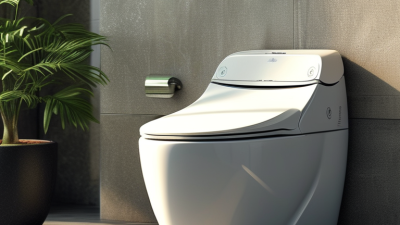
China Top 10 Smart Toilet Bowl Manufacturers
A Smart Toilet Bowl combines everyday sanitation with features such as heated seating, adjustable washing, automatic flushing, and odor control. China’s sanitary-ware sector includes manufacturers with different product ranges, production capacities, and levels of technical support. Some focus on premium bathroom systems, while others supply practical models for residential projects and hospitality buyers.
Across the market, specifications can differ in ways that are easy to miss. Yet a polished showroom is not proof of dependable performance. Details matter. Buyers should compare water use, electrical requirements, cleaning access, spare-part availability, and warranty terms. Clear product documentation helps, too. Ask how the company tests flushing, checks electronic components, and handles service requests after delivery. These checks can help separate useful claims from vague marketing.
This article introduces ten notable Smart Toilet Bowl manufacturers in China and offers a starting point for supplier research. It considers product coverage, manufacturing capabilities, export experience, and available company information. These indicators are useful, but they do not guarantee a good fit for every project. A supplier’s published specifications should be checked against current product documents and samples where practical. Where information is limited, that uncertainty deserves attention. No list is perfect. Company capabilities and product lines can change, and a strong factory may still offer a model unsuited to a particular bathroom. The goal is to support careful comparison, not replace direct verification with a ranking.

Smart Toilet Bowls Defined: Core Functions, Components, and Product Types
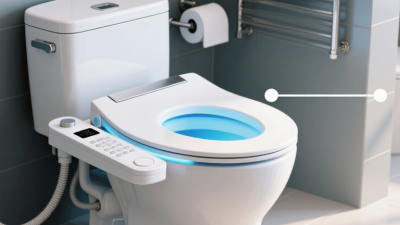
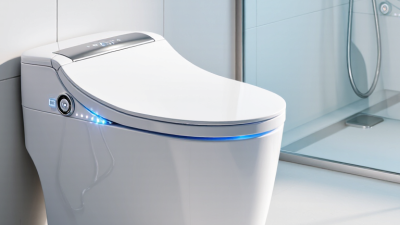
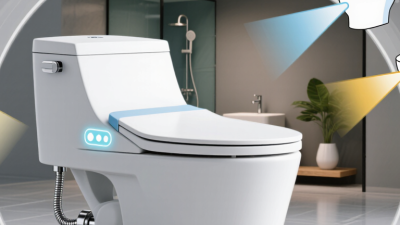
Smart toilet bowls combine a ceramic pan with electronic controls for personal washing and flushing. A typical unit includes a heated seat, spray nozzle, water heater, air dryer, sensors, and control panel. Core functions may include adjustable wash position, water pressure, temperature, deodorizing, and automatic lid operation. Features vary by model. The category is not perfectly standardized. A sensor can misread a user, and a complex control panel may confuse guests. Small details matter.
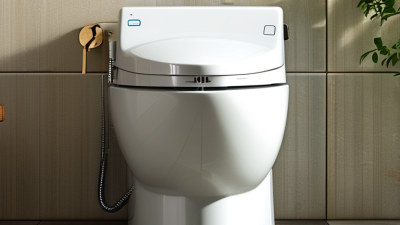
Product types include all-in-one units, smart seats fitted to conventional bowls, and wall-mounted models. All-in-one designs hide more hardware, while add-on seats are easier to retrofit but depend on bowl shape and nearby power. The U.S. Environmental Protection Agency estimates toilets account for nearly 30% of indoor water use in an average home. That makes flush design consequential, but it does not prove every smart model saves water. Fortune Business Insights’ Smart Toilet Market report valued the global market at about $8.55 billion in 2023 and projected $19.47 billion by 2032. This signals growing interest, not a guarantee that every added feature improves daily use.
China Market Profile: Sales, Output, and Penetration Data from Industry Reports
China Top 10 Smart Toilet Bowl Manufacturers
China’s smart-toilet market is expanding, but penetration remains modest. The China Household Electrical Appliances Association’s 2023 industry report puts household adoption at about 5%; figures vary with survey coverage and product definitions. AVC retail-channel monitoring estimated 2023 sales at roughly 5.8 million units, worth around RMB 14 billion. These are retail estimates, not factory output. Production totals can differ because manufacturers also make export orders and OEM products.
Output is harder to compare across reports. Some count complete smart toilets; others include electronic seats or component assemblies. This matters when assessing manufacturers by capacity. A showroom unit may look similar, yet differ in heating stability, flushing performance, and service access. Treat reported production figures as directional unless the report explains its scope. The data are imperfect. That is worth remembering.
Tips: Compare sales, output, and penetration only when years and definitions match. Check whether a report covers online retail, all channels, or factory shipments. For a practical assessment, inspect water-pressure requirements, seat dimensions, cleaning access, and spare-part availability. Industry reports map the market; they do not replace product testing or factory audits.
Water-Efficiency Benchmark: GB 25502-2017 Sets 4.0, 5.0, and 6.0 L Grades
For buyers comparing China’s top smart toilet bowl manufacturers, water efficiency should be checked against the test standard, not just a product-page claim. GB 25502-2017 sets water-efficiency grade limits of 4.0, 5.0, and 6.0 liters per flush. Lower consumption is valuable, but only if the toilet clears waste reliably. A low figure alone is not proof of good performance.
The U.S. EPA’s WaterSense residential toilet specification provides a useful comparison: certified toilets use no more than 1.28 gallons per flush, about 4.8 liters, and at least 20% less than the 1.6-gallon baseline. That comparison is not a substitute for China’s standard. Still, it shows why the 5.0-liter tier can be a practical reference point. A small difference matters. In real bathrooms, flush settings, water pressure, and installation can affect results. These details are easy to overlook. When comparing models, check the stated GB grade and test documentation, then consider whether the flushing system suits the home’s plumbing and daily use.
China’s Top 10 Smart Toilet Bowl Manufacturers: Brands, Products, and Scale
China’s leading smart toilet manufacturers vary widely in product focus and production scale. Some concentrate on integrated models with heated seats, adjustable washing, warm-air drying, and automatic flushing. Others offer simpler configurations for projects with tighter budgets. Look closely at the bowl shape, nozzle-cleaning system, control layout, and access to replacement parts. These details matter in daily use. A smooth ceramic surface is useful, but it cannot compensate for confusing controls or difficult maintenance.
Scale is more than factory size. Buyers can compare production capacity, quality checks, export experience, and the ability to keep common components available. Ask for evidence, such as inspection records, clear specifications, and realistic lead times, rather than relying only on broad capacity claims. Not every manufacturer serves every market equally well. Product ranges and service coverage may differ by region, and published figures can be hard to compare. I would not treat a large catalogue as proof of reliability; a consistent model with documented testing may be a safer choice. One detail is often missed: confirm compatible water pressure and electrical requirements before selecting a model.
How to Compare Manufacturers: Certification, R&D, Capacity, and After-Sales Data
A useful comparison starts with evidence, not brochure claims. Ask each manufacturer for certificates and test reports covering the exact toilet model, electrical parts, and water-related functions. Check the issuing body, validity dates, and whether the listed model matches the quotation. A certificate for one product may not cover another. That matters. Request recent reports for water use, flushing performance, electrical safety, and emissions where relevant to your market.
R&D capability is easier to judge through specific records. Ask how prototypes are tested for seat heating, sensor accuracy, leak resistance, and repeated flushing. A visit or live video tour can show whether testing equipment is in regular use. Capacity needs similar scrutiny: compare monthly output with line count, shift patterns, and recent delivery records. Installed capacity is not the same as dependable production. It can be overstated. For after-sales support, ask for written response times, spare-parts availability, warranty exclusions, and complaint data from the past year. Request a sample service case, with customer details removed, to see how faults are diagnosed and resolved. Even strong numbers need context; response time alone does not prove a repair was effective.
China Top 10 Smart Toilet Bowl Manufacturers
How to Compare Manufacturers: Certification, R&D, Capacity, and After-Sales Data
The bars count practical evidence fields to request in each category, not company performance or industry averages. Verify certificates and test reports for the specific product, and confirm capacity and service claims directly with each manufacturer.